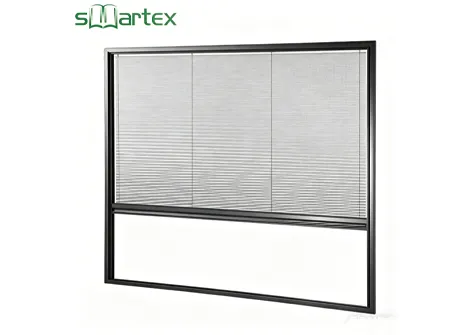
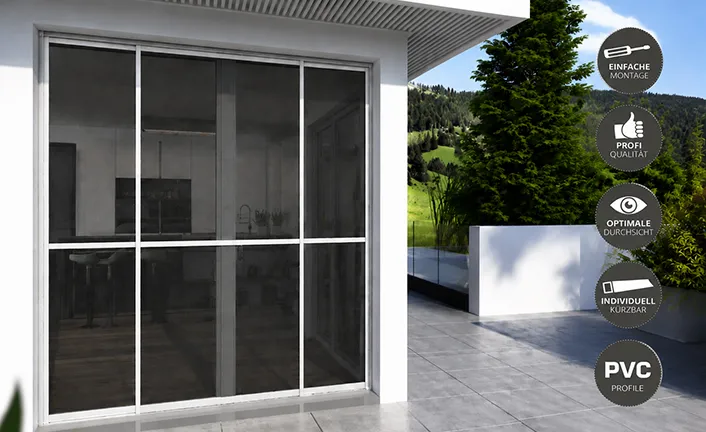
Explore more product categories covering outdoor enclosure, shading, door and window screening, and other solutions for different market and project needs.
Explore more product categories for outdoor enclosure, shading, screen doors, window screens, pergolas, and zip blind solutions for different market and project needs.
Cat Proof Window Screen: 7 Critical Material Checks
15
2026.08
Cat Proof Window Screen: 7 Critical Material Checks
10:06
Cat Proof Window Screen: 7 Critical Material Checks
Smartex Screen Technical and Product Team | Insect Screen and Sun-Shading Product Development Team | Updated August 15, 2026
A cat proof window screen is a retail search term for screening intended to resist clawing, pushing, and everyday pet contact better than standard insect mesh. No material is damage-proof in every frame or installation. Buyers should specify the mesh, finished assembly, retention method, test procedure, packaging, and exact claim for each SKU.
Table of Contents
Contents
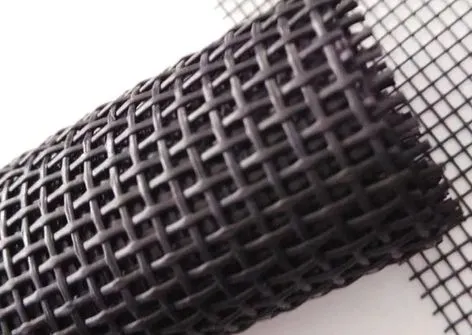
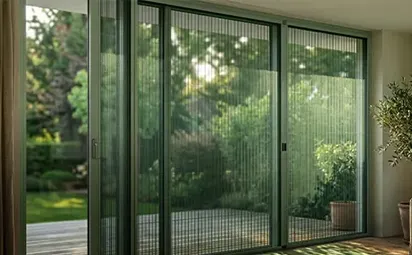
Pet-resistant insect screen from the Smartex Screen Media Library.
Smartex offers pet-resistant insect screen made from vinyl-coated polyester for pet-friendly windows, doors, patio enclosures, replacement mesh, and private-label retail products. The current product page lists 15×10 and 17×10 mesh examples, 0.55-0.60 mm thread diameter, 365-370 g/m² weight, grey and black colors, 0.60-2.6 m standard widths, and 30 m or 50 m roll examples. These values belong to that product specification and should not be transferred to every pet-screen SKU.
Cat proof window screen material comparison
Material format
What retail buyers should evaluate
Likely tradeoff
Required approval test
Vinyl-coated polyester pet screen
Coating, yarn diameter, mesh count, fabric weight, edge retention, color, and roll format
Heavier hand may affect visibility, airflow, cutting, and spline choice
Claw-contact, push-out, cutting, spline, and finished-frame tests
Metal edges and stiffness require controlled fabrication and packaging
Cut-edge handling, deformation, retention, corrosion-scope, and frame tests
Standard fiberglass insect mesh
Yarn diameter, coating, mesh count, weight, and intended insect-screen use
Usually easier to handle, but a standard grade may not meet pet-contact expectations
Side-by-side pet-contact and frame-retention test against the proposed pet mesh
Complete framed pet screen
Mesh plus frame, spline or fastener, corners, stops, opening fit, and installation method
Assembly quality can limit performance even when the mesh is suitable
Installed-panel push, claw-contact, gap, removal, and repeated-use checks
Material names alone do not establish a ranking. A heavy fabric can still pull out of an incompatible spline channel, while a strong metal mesh can deform or expose sharp edges if fabricated incorrectly. A purchasing decision should compare complete assemblies under the same test conditions.
1. Replace “proof” with a measurable claim
“Cat proof” is an absolute phrase, but real use varies by animal size, behavior, claw condition, window type, frame strength, and installation. A defensible retail claim is narrower: pet-resistant mesh, reinforced screen for pet-contact areas, or designed to help resist clawing and tearing. The wording should match the approved test and product code.
Define the failure modes before testing. These may include torn yarns, punctures, coating damage, permanent deformation, mesh pullout, frame separation, broken corners, exposed edges, and gaps large enough for a paw or insect. The specification should identify which failures are unacceptable and which appearance changes are cosmetic.
2. Compare mesh construction, not only material family
Two polyester screens can behave differently when yarn diameter, coating thickness, mesh count, weave, fabric weight, and heat setting differ. The same applies to stainless steel products with different wire diameters and opening sizes. Ask suppliers to attach each sample to a product code and specification sheet.
For Smartex’s listed pet-resistant product, the published combination is vinyl-coated polyester, square openings, and plain weaving. Buyers can use the listed mesh, yarn, weight, width, length, and color values as a starting point for that product. Custom orders still require a quotation, drawing or data sheet, labeled sample, tolerance agreement, and finished-frame trial.
3. Test claw contact and push-out separately
A claw-contact test challenges yarns, coating, and openings. A push-out test challenges the full retention system: mesh, spline or fastener, frame channel, corners, stops, and installation. Passing one does not prove the other.
Condition all samples in the same environment and record the product code.
Install each mesh with the production frame, spline, tools, and tension setting.
Apply a repeatable claw-contact method to defined panel locations.
Apply a separate distributed push load without substituting an impact test.
Retain tested samples and photos with the test method and result.
Do not test by encouraging a live cat to attack a sample. That produces inconsistent results and introduces an avoidable animal-handling risk. A controlled fixture gives procurement teams repeatable evidence for supplier and material comparisons.
4. Balance resistance with visibility and airflow
Increasing yarn or wire diameter and reducing opening size can change open area, visibility, airflow, weight, and the appearance of the finished window. A cat proof window screen program needs a target for pet contact without treating every heavier fabric as an upgrade.
View samples from inside and outside under representative daylight and evening lighting. Compare the pet mesh with the retailer’s standard insect mesh in the same frame size. The Smartex guide to choosing screen mesh explains how mesh count, material, visibility, and application should be evaluated together.
5. Engineer the frame and retention system
Retail replacement mesh must work with the stated spline sizes, channels, cutting tools, and installation method. Finished pet screens also need adequate corner joints, stops, handles, and track engagement. A thicker fabric may require a different spline or installation force than standard fiberglass mesh.
Build minimum-size and maximum-size panels, then inspect mesh tension, edge seating, corner alignment, visible gaps, and removal. For adjustable formats, also use the sizing controls described in the Smartex adjustable window screens guide. Maximum extension and minimum frame overlap can affect retention even when the same pet-resistant mesh is used.
6. Separate insect screening from fall protection
A screen intended to exclude insects or resist pet damage should not be presented as a child- or pet-fall prevention device unless the complete product is specifically designed, tested, documented, and authorized for that purpose. Mesh durability does not automatically make the window assembly a safety barrier.
The U.S. Consumer Product Safety Commission states in its window fall-prevention guidance that window screens keep bugs out but do not keep children in. Retail cartons and listings should avoid photographs or wording that imply a load-bearing barrier when the product is only an insect screen.
7. Specify retail packaging and instructions
Roll mesh, replacement kits, and complete framed screens need different protection. Mesh rolls require edge protection, cores, wrapping, labels, and carton dimensions that avoid crushing. Kits need a contents list, compatible dimensions, tools, cutting guidance, spline information, and waste allowance. Framed screens need corner, mesh, and surface protection.
Every package should state material, color, mesh or product code, dimensions, included parts, intended applications, installation method, care, limitations, lot or traceability reference, and origin information required by the market. Private-label barcode records can follow the buyer’s applicable GS1 barcode standards. Carton data, online content, and the physical product must use the same SKU specification.
Cat-resistant mesh, kit, or finished screen?
Product format
Best buyer
Buyer controls
Main risk
Bulk pet-screen roll
Fabricators, distributors, and converters
Frame, spline, cutting, sizing, and installation
Material may be paired with incompatible components
Retail replacement kit
DIY and private-label retail programs
Opening coverage, included parts, instructions, and package claims
Consumer measurement or installation error
Finished framed screen
Window accessory retailers and project buyers
Opening type, finished size, retention, frame, and packaging
Poor fit or weak assembly can override mesh performance
Inspection plan for repeat orders
Verify product code, material, color, mesh count, yarn or wire diameter, weight where applicable, and roll or panel dimensions.
Check coating, weave, broken yarns or wires, contamination, creases, edge damage, and color consistency.
Convert sampled material with the approved frame, spline, tension, and tools.
Repeat the approved claw-contact and push-out methods at defined sampling intervals.
Confirm package contents, labels, barcodes, instructions, warnings, and carton protection.
Retain a reference sample and traceability record for the next production lot.
Retail approval sequence
Define the target animal-contact scenario, window or door type, sales channel, market, and product format.
Select the mesh construction, color, roll or panel dimensions, frame, spline or fastener, and packaging.
Approve labeled material samples and complete production-representative frames.
Run controlled claw-contact, push-out, fabrication, visibility, airflow, and fit comparisons.
Place a controlled trial order before expanding the assortment.
Smartex Screen supports pet-resistant mesh development, roll conversion, finished screen systems, samples, prototypes, private-label packaging, inspection, and export coordination. Send the target product format, opening type, dimensions, mesh preference, annual volume, and package requirements through the Smartex Screen inquiry page for a model-specific quotation.
FAQ
Is any cat proof window screen completely damage-proof?
No. “Cat proof” is a search term, not a universal performance guarantee. Specify a pet-resistant material and test the complete frame, retention method, and installation against defined claw-contact and push-out criteria.
What material does Smartex use for its pet-resistant insect screen?
The current listed product uses vinyl-coated polyester with square openings and plain weaving. Mesh count, yarn diameter, weight, width, roll length, color, tolerance, and packaging should be tied to the quoted product code.
Is stainless steel always better than coated polyester?
No. Stainless steel and coated polyester have different stiffness, edge handling, fabrication, appearance, weight, and frame requirements. Compare production samples in the intended assembly rather than ranking material names alone.
Can pet-resistant mesh fit an existing window frame?
It may, but compatibility depends on the channel, spline, fabric thickness, cutting method, frame strength, opening size, and installation tension. Test the production mesh with the actual frame and tools before approving a retail claim.
What information is needed for an OEM quotation?
Provide the product format, application, target market, mesh material and construction, color, dimensions, frame and retention details, quantity, packaging, private-label requirements, inspection method, and destination.
About the author: The Smartex Screen Technical and Product Team supports screen-fabric selection, finished screen-system development, material customization, samples, prototypes, packaging, private-label production, quality control, and export coordination for global B2B customers.















 10:06
10:06