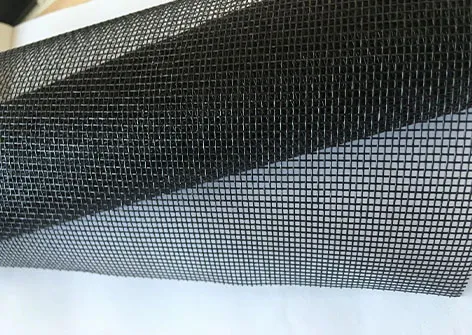
Сетчатое полотно для бассейнов и патио определяется плотностью плетения и весом ткани. Распространённые варианты плотности — 17×14, 18×14, 20×17 и 20×20, а публично указанные значения веса для этих изделий варьируются примерно от 133 г/м² до 305 г/м². Более плотная ткань лучше выдерживает механическое воздействие и повторную обработку; более плотное плетение предотвращает проникновение мошек.
Что на самом деле означают цифры на рулоне сетки для бассейна
В техническом паспорте экрана для бассейна основную роль играют два показателя, которые отражают разные характеристики.
Число ячеек указывается двумя цифрами, например 18×14. Первая цифра обозначает количество нитей на дюйм в направлении основы, вторая — в направлении утка. Чем выше это значение, тем мельче ячейки. Именно поэтому плотность 20×20 является эталонной для защиты от мошек, а 17×14 или 18×14 — стандартной для навесов над бассейнами общего назначения: отверстия в ткани с плотностью 17×14 пропускают больше воздуха, но при этом пропускают и больше мелких насекомых.
Плотность ткани, выраженный в г/м² (или унциях/ярд² в североамериканских спецификациях), характеризует плотность материала ткани. Плотность увеличивается с увеличением диаметра нити и толщины покрытия. Ткань 20×20 с плотностью примерно 176 г/м² и ткань 20×20 с плотностью примерно 305 г/м² имеют одинаковую геометрию ячеек, но значительно различаются по прочности при обращении, сопротивлению разрыву и весу рулона.
В розничных каталогах обычно указывается только один из этих параметров. В нашем каталоге, например, представлена ткань «no-see-um» размером 20×20 с указанным диаметром проволоки примерно 0,013 дюйма, что является третьим параметром — плотность, вес и диаметр нити в совокупности определяют характеристики ткани, а указание только одного из них заставляет покупателя гадать.
Для дистрибьютора, имеющего товар на складе, практические последствия очевидны: два рулона с маркировкой “20×20 pool screen” от двух разных поставщиков могут отличаться по плотности ткани на 70%, и ваши клиенты-монтажники заметят это уже в течение одного сезона.
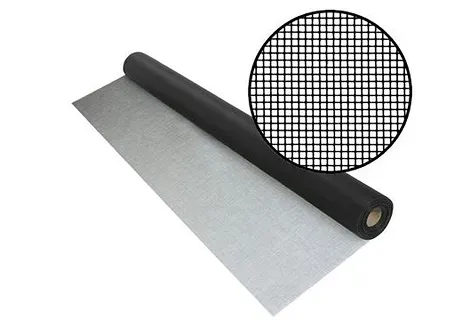
Таблица выбора плотности и веса сетки
В приведенной ниже таблице перечислены защитная сетка для бассейна и террасы продукты, которые мы публично представляем, с указанием веса отдельных моделей. Пустые ячейки в таблице веса не являются пропусками — данные по этим моделям приводятся в соответствии с техническими характеристиками, и мы не публикуем цифры, которые не можем привязать к конкретной партии продукции.
| Число ячеек |
Пример опубликованных данных о весе |
Семейство материалов |
Основное применение |
Примечания |
| 17×14, повышенной прочности |
Требуется ценовое предложение |
Стекловолокно |
Навесы для бассейнов, ограждения для патио, панели для веранд |
Стандартная высокопроизводительная система подсчёта для бассейнов с повышенной пропускной способностью |
| 17×14, повышенная видимость, сверхпрочные |
Приблизительно 133 г/м² |
Стекловолокно |
Панели, имеющие важное значение для внешнего вида, фасады веранд |
Самый лёгкий из опубликованных образцов |
| 18×14 |
Требуется ценовое предложение |
Стекловолокно |
Общее остекление бассейна и замена сетки |
По умолчанию количество объявлений о замене товаров в розничной торговле США составляет |
| 20×17, повышенной прочности |
Требуется ценовое предложение |
Полиэстер |
Нижние панели, подверженные интенсивному износу, зоны плинтусов |
Конструкция из полиэстера, а не из стекловолокна |
| 20×20 с улучшенной видимостью, для тяжелых условий эксплуатации |
Прибл. 176 г/м² |
Стекловолокно |
Зоны, защищенные от мошек, где важен вид |
Небольшое количество, умеренный вес |
| 20×20 «No-See-Um» |
Прибл. 215 г/м² |
Стекловолокно |
Риск заражения «но-си-умом» на побережье и на берегах озёр |
Отображаемый диаметр проволоки: прибл. 0,013 дюйма |
| 20×20, сверхпрочная |
Прибл. 305 г/м² |
Стекловолокно |
Панели ограждения полной высоты, требующие максимальной прочности |
Самый тяжёлый из опубликованных вариантов |
| Солнцезащитный экран, модель 80%/90% |
Требуется ценовое предложение |
Ткань для солнцезащиты |
Затенение патио, ограждающие стены, выходящие на запад |
Выбор осуществляется по коэффициенту затенения, а не по плотности сетки |
| Защитная сетка для бассейна, устойчивая к воздействию домашних животных |
Требуется ценовое предложение |
Полиэстер с виниловым покрытием |
Зоны вокруг дверей и панели для доступа домашних животных |
Укажите отдельно от основной ткани для клетки |
Это отдельные примеры продукции. Не следует рассматривать диапазон 133–305 г/м² как универсальный для всех видов сетки для бассейнов, а также не следует применять вес, диаметр проволоки или размер рулона одной модели к другой модели с таким же числом нитей.
Компромисс, отражённый в этой таблице, является реальным, а не чисто формальным. Переход от примерно 176 г/м² до примерно 305 г/м² при тех же 20×20 Такой вариант обеспечивает повышенную прочность на разрыв и большую свободу при установке, но ухудшает воздухопроницаемость, прозрачность и приводит к увеличению веса ткани примерно на 70% на контейнер. Переход в другую сторону облегчает груз и улучшает обзор, но делает сетку менее устойчивой к чрезмерному натяжению при установке на шлицевую опору. Ни один из вариантов не является “лучшей” сеткой; они отвечают на разные требования, обусловленные разными климатическими условиями.
Стекловолокно, полиэстер или полиэстер с виниловым покрытием
Свойства материала, указанные под показателями количества и веса, оказывают большее влияние на эксплуатационные характеристики, чем это обычно указывается в технических характеристиках.
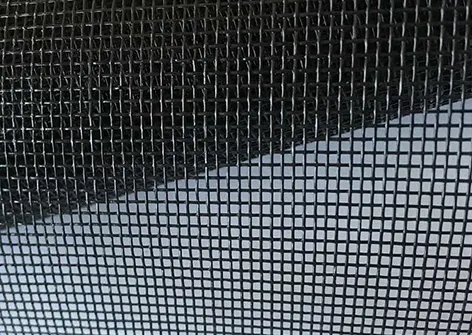
Стекловолокно На эту ткань приходится большая часть заказов на изготовление сеток для бассейнов и террас. Она не подвержена образованию постоянных складок, что важно при складывании рулонов во время транспортировки или повторной натяжки, а также сохраняет стабильность размеров под натяжением. Это стандартный вариант для сеток размером 17×14, 18×14 и 20×20.
Полиэстер используется в нашей линейке износостойких изделий для бассейнов размером 20×17. Полиэфирная нить лучше выдерживает многократные удары, чем стекловолокно, и является разумным выбором в тех случаях, когда панели подвергаются воздействию пешеходного движения, контакта с мебелью или ударов от бассейнового оборудования.
Полиэстер с виниловым покрытием — это конструкция, устойчивая к воздействию домашних животных. В нашем опубликованном описании указано, что одна сетка для защиты от домашних животных значительно прочнее традиционной стекловолоконной сетки; мы не публикуем числовой коэффициент прочности, поскольку это значение относится к конкретному протоколу испытаний конкретной модели, а не к данной категории в целом.
Дистрибьюторы, обслуживающие рынки повторной установки сетки во Флориде, на побережье Мексиканского залива и в Карибском бассейне, как правило, держат на складе два типа стекловолоконных сеток, а также один вариант, устойчивый к повреждениям от домашних животных, и рассматривают полиэстеровые и солнцезащитные ткани как товары, поставляемые по индивидуальным заказам, а не как товар, имеющийся в наличии на складе.
Ширина и длина рулона, а также влияние способа упаковки на стоимость с доставкой
От характеристик сетки зависит, подойдет ли ткань для данного задания. От геометрии рулона зависит, будет ли заказ рентабельным.
Ширина и длина рулонов наших тканей для бассейнов и террас зависят от конкретной модели и могут быть адаптированы под индивидуальные потребности — и это преимущество удивительно часто остается невостребованным. Покупатели заказывают стандартную ширину, а затем их клиенты-монтажники в течение всего сезона отрезают по 30 см от каждой панели, что приводит к значительным отходам.
Три вопроса, касающихся ширины, которые стоит решить перед размещением первого заказа:
- Какая высота панелей преобладает в работе ваших клиентов? Панели для ограждений бассейнов обычно разрезаются по полной высоте пролета. Ширина рулона, соответствующая преобладающей высоте пролета, позволяет выполнить поперечную распиловку за одну операцию и исключить отходы по краям полотна.
- Ваш склад принимает длинные рулоны? Более длинные рулоны сокращают время простоя, связанное со сменой рулонов, у производителей, а также уменьшают количество упаковок на м², однако для их хранения требуются стеллажи, а для перемещения — два человека.
- Переупаковывается ли ткань для розничной продажи? Ткань, поставляемая для продажи в розницу с отрезом по длине, упаковывается иначе, чем ткань, поставляемая для пошива изделий, и это решение влияет на конструкцию картонной упаковки, маркировку и требования к штрих-кодам.
По сравнению с запасными стеклами в розничной упаковке, продаваемыми в сетях магазинов товаров для дома, поставка в рулонном формате перекладывает ответственность за раскрой на вас или вашего клиента. Это открывает возможности для получения прибыли, если у вас есть станция для раскроя, и становится источником затрат, если такой станции нет.
Цены, минимальный объём заказа и сроки поставки
Сетчатое полотно для бассейнов и патио Указана ориентировочная цена, а не цена по прейскуранту. Цена зависит от количества ячеек сетки, плотности ткани, материала, ширины и длины рулона, цвета, покрытия, формата упаковки, степени индивидуализации, объема заказа, рынка сбыта и условий доставки. Мы не публикуем цену за м², поскольку цифра, не учитывающая эти переменные, скорее введет покупателей в заблуждение, чем поможет им.
Что мы можем заявлять публично:
- Минимальный объем заказа на сетку для сита: примерно 5 000 м²
- Минимальный объём заказа ткани индивидуального цвета: примерно 10 000–20 000 м²
- Стандартный срок изготовления: примерно 30–45 дней
- Простая настройка: примерно 6–8 недель
- Стоимость образцов: примерно 50–200 долларов США за определенные товары или образцы, изготовленные по индивидуальному заказу
Минимальный объем заказа (MOQ) зависит от материала, модели, цвета и упаковки, поэтому уточните точные цифры для вашей конкретной спецификации, прежде чем составлять план закупок на основе этих данных. Именно разница между минимальным объемом заказа (MOQ) для сетки стандартного цвета и для нестандартного цвета чаще всего приводит к изменению первоначального заказа — дистрибьютор, желающий заказать нестандартный цвет, обязуется приобрести значительно больший объем, чем тот, кто выбирает стандартный цвет.
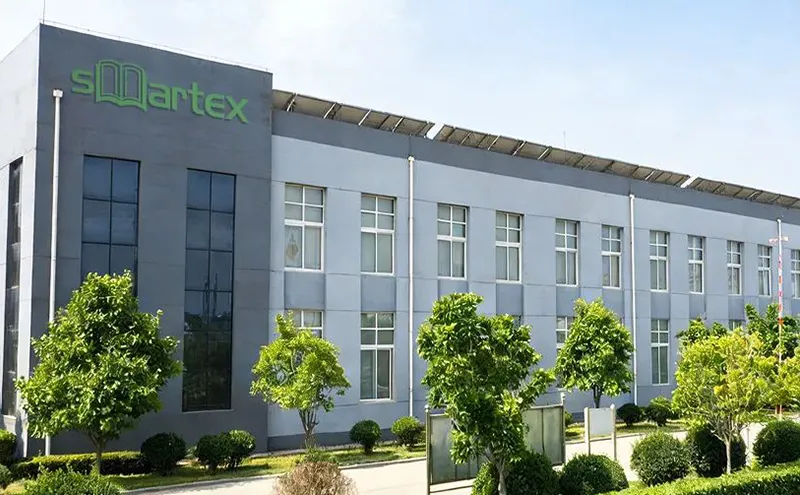
На нашей собственной производственной базе, занимающей площадь около 12 000 м², установлено примерно 120 ткацких станков и 16 линий нанесения ПВХ-покрытия, что позволяет настраивать ширину рулона, длину, плотность и тип покрытия в соответствии с каждым заказом, а не использовать продукцию из фиксированного ассортимента.
Часто задаваемые вопросы
Вопрос: В чём разница между сетками для бассейна размером 18×14 и 20×20?
A: Сетка 18×14 имеет более крупные ячейки, обеспечивает более интенсивную циркуляцию воздуха и лучшую прозрачность; сетка 20×20 имеет более мелкие ячейки и используется для защиты от мошек. Сетка 18×14 — это тот вариант, который чаще всего по умолчанию указывается в списках запасных частей в розничной торговле США для общего ограждения бассейнов.
Вопрос: Какую плотность ткани следует закупать для замены сетки на навесе над бассейном?
О: Единого ответа нет, но опубликованные примеры плотности тканей в нашем ассортименте варьируются примерно от 133 г/м² до 305 г/м². Более плотная ткань лучше выдерживает нагрузку при монтаже и обеспечивает большую длину панелей; более легкая ткань улучшает обзор и снижает вес груза.
Вопрос: Сетка с ячейками 20×20 всегда защищает от мошек?
A: Не только по номерам нитей. Диаметр нити влияет на размер свободного просвета при одинаковых номерах нитей. В нашем опубликованном примере с сеткой 20×20, предназначенной для защиты от мелкое насекомых, используется проволока диаметром примерно 0,013 дюйма. Уточняйте диаметр нити, прежде чем позиционировать ткань 20×20 как сетку для защиты от мелкое насекомых.
Вопрос: Можно ли заказать рулоны нестандартной ширины и длины?
A: Да. Ширину и длину рулонов можно настраивать для всей линейки продукции для бассейнов и террас, а также выбирать плотность сетки, вес, жесткость и цвет. Для нестандартных цветов минимальный объем заказа выше, чем для стандартных.
Вопрос: Имеется ли сетка для ограждения бассейна с документацией, соответствующей Строительным нормам и правилам штата Флорида?
A: В нашем ассортименте имеются ссылки на Строительные нормы и правила штата Флорида, касающиеся отдельных моделей защитных экранов для бассейнов. Для конкретного продукта, который вы приобретаете, необходимо уточнить соответствующую модель, протокол испытаний, номер сертификата, орган, выдавшего сертификат, и срок его действия; мы предоставим имеющуюся информацию по данной модели.
Вопрос: Каков минимальный объём заказа на сетку для бассейнов и террас?
A: Примерно 5 000 м² для сетчатой ткани и примерно 10 000–20 000 м² для ткани индивидуального цвета. Точные цифры уточняйте в соответствии с вашей спецификацией.
Вопрос: Сколько времени занимает производство?
A: Стандартный срок изготовления составляет примерно 30–45 дней. Простая индивидуализация занимает примерно 6–8 недель. Фактические сроки зависят от продукта, объема заказа, материалов, упаковки и утверждения образца.












 10:01
10:01