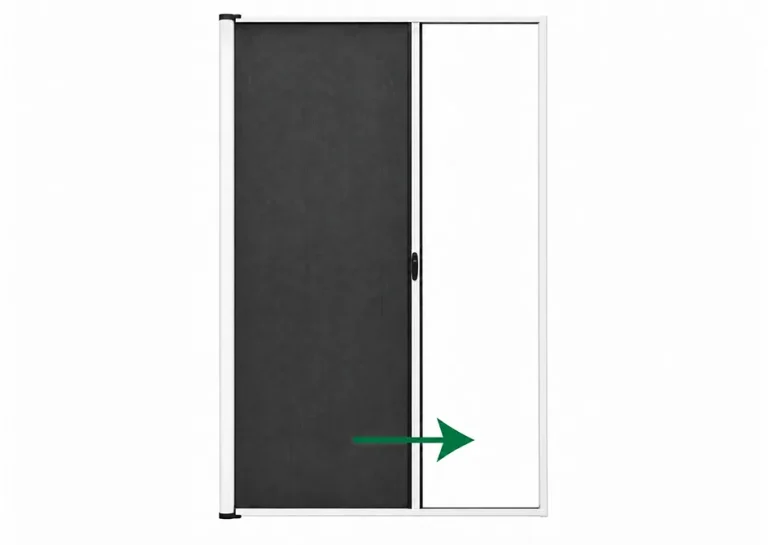
A balkon zip perdesi Bir sipariş, fiyat teklifinden önce şu dört unsur netleştirildiğinde sorunsuz ilerler: altı noktadan alınan açıklık ölçüleri, kılavuz rayların sabitleneceği yüzey, o katın rüzgara ne kadar maruz kaldığı, kumaş türü ve çalışma mekanizması. Aşağıdaki sekiz adım, bunları bir fabrikanın fiyat verip üretim yapabileceği bir teknik özellik formuna dönüştürür.
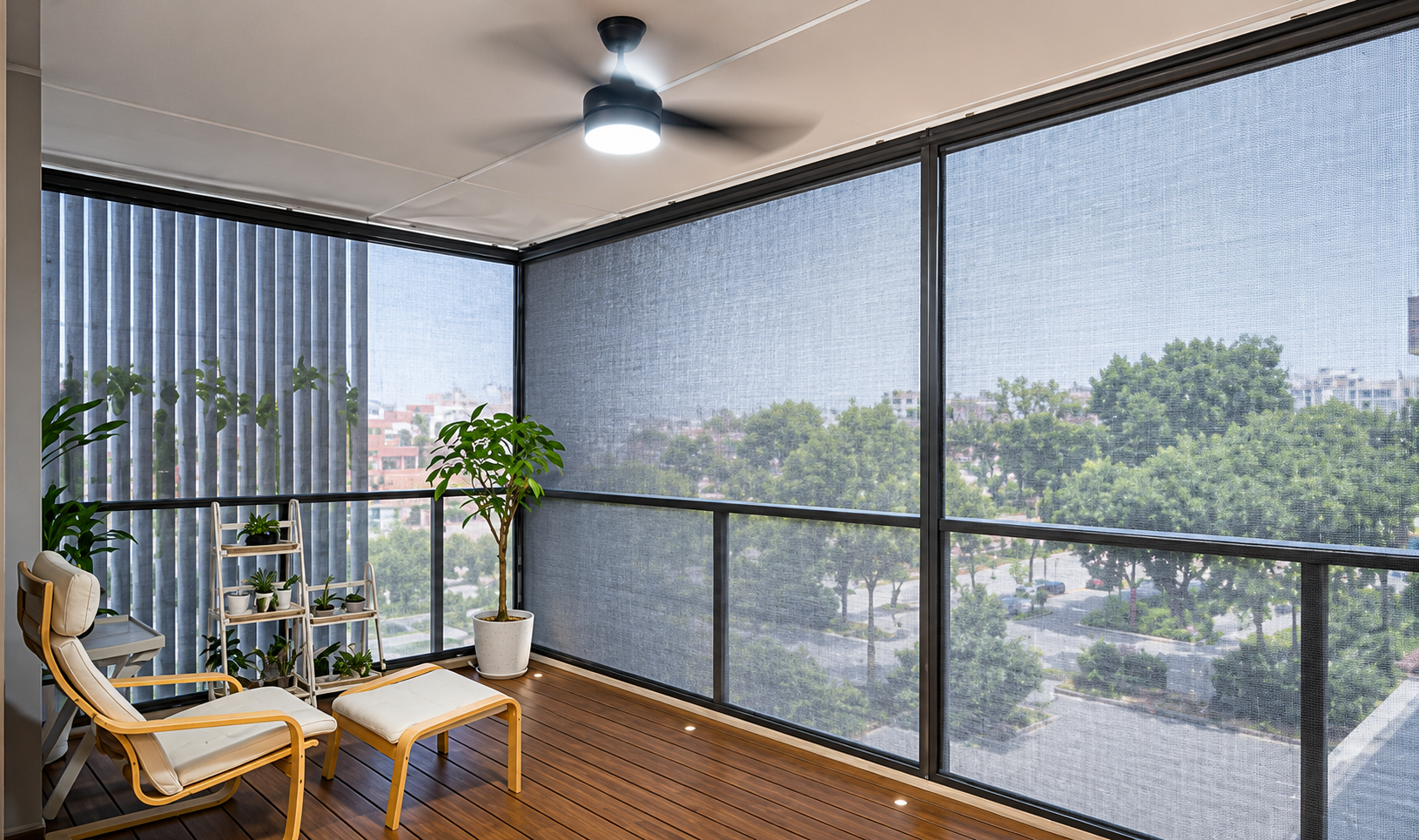
Bu kontrol listesi kimler içindir
Bu rehber; başkalarına balkon zip perdesi tedarik eden ve tahmini bir ölçü yüzünden ürünün yeniden üretilmesini göze alamayan ithalatçılar, distribütörler ve montajcılar için hazırlanmıştır. Bu terimle ilgili arama sonuçlarına hâkim olan ve ev sahiplerine yönelik garanti ile promosyonlara odaklanan montajcı sayfalarının aksine bu sayfa, bir fabrikanın montaj boşluğunuza tam uygun üretim yapabilmesi için nelere ihtiyaç duyduğunu ele alır.
Ölçüm yapmadan önce yanınızda bulunması gerekenler
- Lazer metre veya çelik şerit metre ve su terazisi
- Korkuluğu, tavanı ve her iki yan duvarı gösteren, balkonun içeriden ve dışarıdan çekilmiş fotoğrafları
- Ray veya üst kasanın sabitleneceği her noktadaki duvar ve tavan malzemesine ilişkin bir not
- Perde motorlu olacaksa en yakın prizin konumu
- The floor number of the balcony and how many sides are open
Step 1: Decide what the blind has to do
Our products lists shading, glare reduction, privacy, insect control and wind-management support as the functions of a zip blind. Fabric choice usually trades one function against another, so rank them before anything else. A west-facing balcony used for dining is mainly a glare problem. A ground-floor balcony beside a garden is mainly an insect and privacy problem.
Step 2: Measure at six points, not two
Balcony openings are rarely square. Measure the width at the top, middle and bottom, and the height at the left, centre and right. Record all six numbers and mark the smallest of each.
Send the six raw readings to the supplier instead of one “final” size. How much smaller or larger than the opening the blind is built depends on the mounting position, and that allowance belongs on the production drawing, so do not deduct it yourself.
Measure to the real obstruction rather than the wall line. Glass-panel clips, railing posts and the handles of outward-opening windows often sit inside the plane the blind will occupy.
Step 3: Pick the mounting position and check what is in the way
A balcony blind can be positioned inside the opening, on the outer face of the wall or frame, or fixed to the ceiling above it. Which of these a given model supports is confirmed at quotation from your photos and measurements.
Then look at what the fixings will bite into: concrete, brick, rendered or insulated wall, an aluminium or timber frame, or glass. A track screwed into a thin insulation layer or loose render has nothing to hold, so the fixing has to reach the structure behind it. Note the material at the left track, the right track and the head box separately, because one balcony often has three different substrates.
Photograph anything in the blind’s path: air-conditioner outdoor units, drain pipes, lights, sprinkler heads. Check too whether the building has management rules on external colour or appearance, and get approval before ordering. A custom-sized blind cannot normally be resold into a different opening.
Done when: the mounting position is chosen, a substrate is named for each fixing line, and obstructions are photographed.
Step 4: How exposed is the balcony?
Wind load on a blind rises with floor height, with the number of open sides, and with how little stands between the building and open ground or water. Corner balconies and upper floors are the usual trouble spots. A balcony open on two adjacent sides can also push air at the fabric from the inside face, so state that in the brief.
Step 5: Choose fabric and colour
The fabric is a product-specific outdoor shading fabric. Fabric colour and frame or guide colour can each be standard or customized. Weight, openness and composition differ by fabric and must be read from the fabric data sheet for the fabric you pick.
Ask for a physical swatch and judge it on the balcony itself at the hour the blind will be used, because a swatch under office lighting says little about glare or view-out. Match the guide and head box colour to the existing window or railing frame. Custom colours can affect MOQ, which our site gives as examples per product type and which is confirmed per order.

Step 6: Manual or motorized
Both operations appear in our zip blind range, depending on the model.
| Question |
Manuel |
Motorlu |
| Power at the balcony |
Not needed |
Needed; the power point and cable route must be known |
| Where the user operates it |
At the blind’s control position |
Control type confirmed per model |
| Extra components |
None beyond the blind |
A motor and its supply connection |
| Confirmed in the catalog |
Per model |
Per model |
Wide openings and balconies that are awkward to reach make the case for a motor. A short opening with no power nearby makes the case against it, since the cable route can cost more than the motor saves. For a motorized order, mark the power point and the planned cable route on a photo.
Step 7: Write the spec sheet and request a sample
Put everything from Steps 1 to 6 into one sheet.
| Field |
What to enter |
| Project and destination country |
Name of the project and the market the blind will be sold in |
| Açıklık boyutu |
All six readings, smallest value marked |
| Mounting position and substrates |
Inside, outside or ceiling; material at left track, right track, head box |
| Exposure |
Floor number, open sides, prevailing wind direction |
| İşlevler |
Primary and secondary |
| Fabric and colour |
Fabric reference, swatch status, colour |
| Guide and frame colour |
Standart veya özelleştirilmiş |
| Çalışma şekli |
Manual, or motorized with power point position |
| Packaging and manuals |
Retail, project or private-label packing; manual language |
| Miktar |
Pieces per size, and total |
Pricing is by quotation, and we do not publish a price range for zip perdeler. What moves the number: opening size, fabric, guide and frame configuration, colour, operation, packaging, level of customization, order quantity, shipping terms and destination market.
Request a sample before a trial order. Our site guidance mentions paid sample fees of approximately USD 50 to 200 for certain products or customized samples, and a standard production lead time of approximately 30 to 45 days. Both are general figures and are confirmed per product and per order.
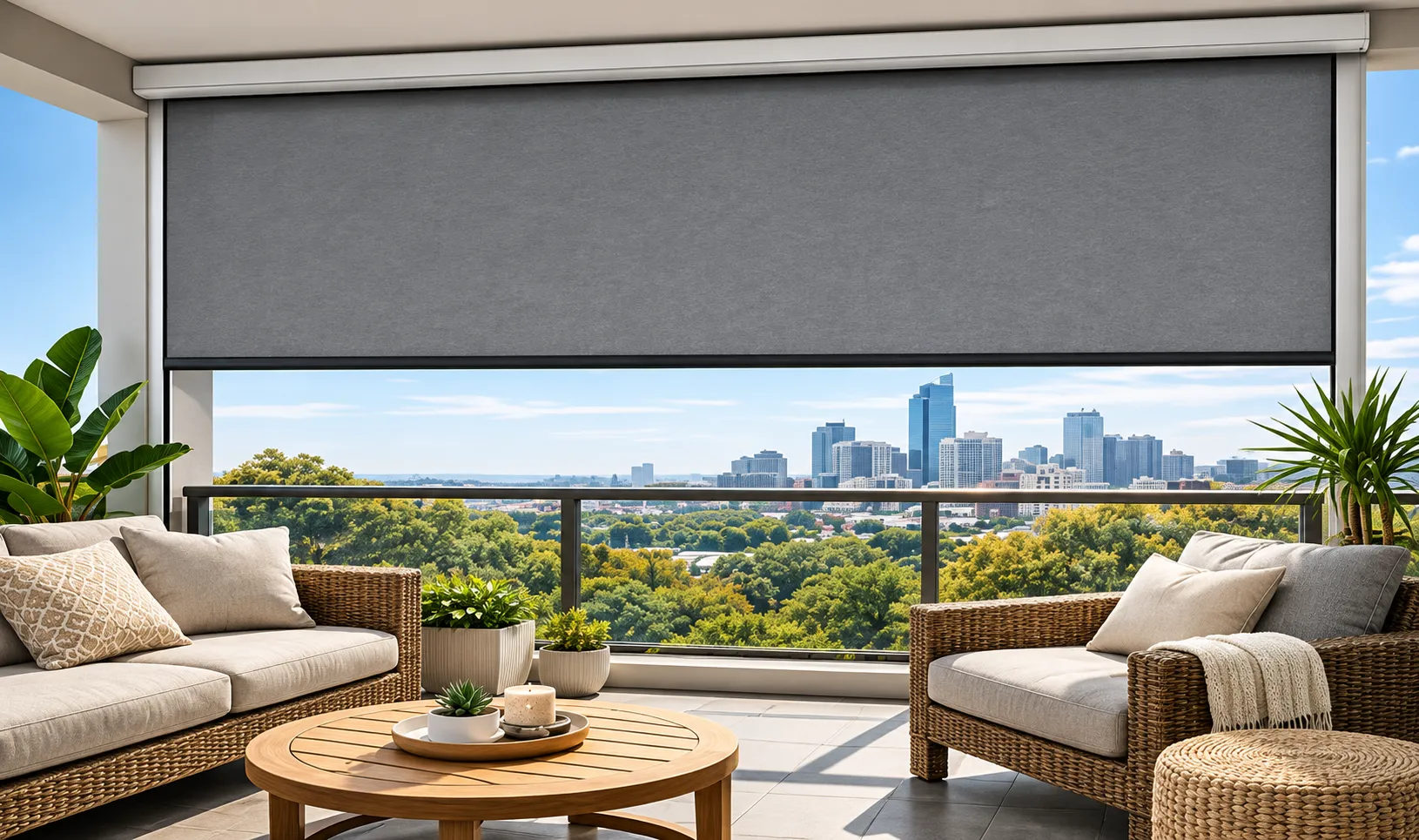
Step 8: Check the delivered blind before the installer leaves
- Measure the delivered width and height against the production drawing.
- Run the blind through one full open-and-close cycle and watch the fabric edges in both guide tracks over the whole height.
- Look for gaps between fabric and track at the top and bottom.
- Confirm both tracks are plumb and parallel with the level. Two parallel tracks leave less installation tolerance than a blind that hangs free of side channels, so a small lean shows up quickly.
- For motorized units, test both end stops.
- Photograph the finished installation from inside and outside and keep the images with the order.
| Parametre |
Catalog position |
| Çalışma şekli |
Modele bağlı olarak motorlu veya manuel |
| Kumaş |
Ürüne özel dış mekan gölgelendirme kumaşı |
| Ölçüler |
Açıklığa ve projeye özel |
| Kumaş rengi |
Standart veya özelleştirilmiş |
| Çerçeve ve kılavuz rengi |
Standart veya özelleştirilmiş |
| Montaj |
Windows, patios, balconies, pergolas, outdoor enclosures or project openings |
| Functions presented |
Gölgelendirme, parlama azaltma, mahremiyet, haşere kontrolü, rüzgar yönetimi desteği |
| Wind rating, fabric weight and openness, maximum size, motor specification |
Not published in the catalog; confirmed per quote |
Where a zip blind fits and where it does not
In its favour: the fabric runs in side guides, which is the usual reason zip tracks are specified for exposed balconies instead of blinds that hang free. Size, colour and operation are all adjustable to the opening, and the same product family connects to pergola projects through our pergola with zip blinds option.
Against it: every unit is made to one opening, so a wrong measurement cannot be fixed by swapping stock. The tracks need a fixing surface with real strength behind it. The wind rating has to come from the supplier’s test document, and a motor adds a power requirement that some balconies cannot meet without new cabling. Compared with stocked products, made-to-measure supply also means waiting for production.
SSS
What does a supplier need to quote a balcony zip blind?
The six opening readings, balcony photos, the mounting position and substrates, floor number and open sides, fabric and colour, operation, and quantity.
Can the blind be fitted inside the opening or on the outside face?
It depends on the model. Our zip blind range is presented for windows, patios, balconies, pergolas and project openings, and the mounting position is confirmed at quotation from your photos and measurements.
Does a zip blind make a balcony windproof?
No. Our catalog lists wind-management support as a function, and no blind should be sold as completely windproof. Ask for a wind rating and its test basis for the exact fabric, track and bottom-bar combination, and record the floor level and open sides on the order.
Do you supply manual and motorized versions?
Both operations appear in our zip blind range, depending on the model. For a motorized order, send the power point position with your photos.
How much does a balcony zip blind cost?
Pricing is by quotation. Opening size, fabric, guide and frame configuration, colour, operation, packaging, customization level, quantity, shipping terms and destination all affect it.




















 16:41