Entdecken Sie weitere Produktkategorien für Außenabgrenzungen, Beschattung, Tür- und Fenstergitter sowie andere Lösungen für unterschiedliche Markt- und Projektanforderungen.
Entdecken Sie weitere Produktkategorien für Überdachungen im Außenbereich, Beschattung, Fliegengittertüren, Fensternetze, Pergolen und Zip-Rollo-Lösungen für verschiedene Markt- und Projektanforderungen.
Pool-Screen-Gewebe: Spezifikationen für Einhausungen und Terrassen
09
2026.08
Pool-Screen-Gewebe: Spezifikationen für Einhausungen und Terrassen
11:14
Smartex Screen-Technik- und Produktteam | Produktentwicklungsteam für Insektenschutz- und Sonnenschutzgewebe | Aktualisiert am 8. August 2026
Pool-Screen-Gewebe sollte nach Maschenzahl, Material, Endgewicht, Rollabmessungen und dokumentierter Außenbeständigkeit spezifiziert werden. Ein 18×14-Glasfasergewebe eignet sich für viele allgemeine Einhausungsfelder, während 20×20 kleinere Insekten abhält. Schwerlast-Polyesteroptionen decken ein höheres Kontaktrisiko ab, doch die strukturelle Windlast muss für die gesamte Einhausung überprüft werden und darf nicht allein aus der Maschenzahl abgeleitet werden.
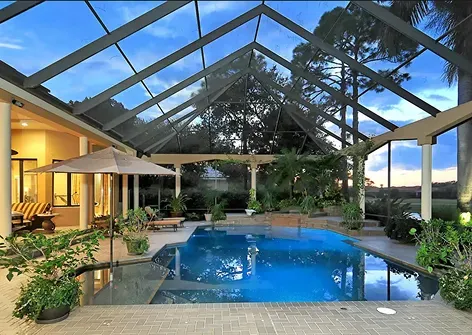
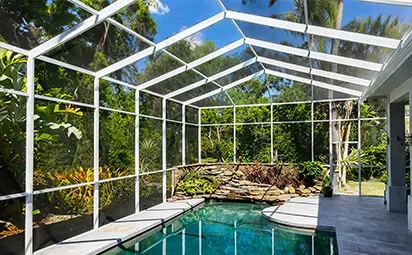
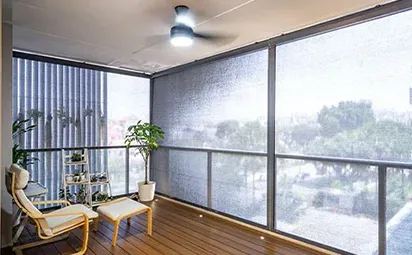
Eine Anwendung für eine Pool-Einhausung mit dunklem Gewebe über Dach- und Wandfeldern. Medienquelle: Smartex Screen-Medienbibliothek, ID 2359.
Beginnen Sie mit der Einhausung, nicht mit einer pauschalen Behauptung über das “beste Gewebe”
Ein Auftragnehmer, der Pool-Screen-Gewebe auswählt, muss vier getrennte Anforderungen miteinander in Einklang bringen: Insektenschutz, Luftdurchsatz und Sicht, die Exposition am Standort sowie den Arbeitsaufwand zum Bespannen des Rahmens. Ein einziges Gewebe kann nicht alle vier optimal erfüllen. Ein dichteres Gewebe kann den Schutz vor kleinen Insekten verbessern, verändert aber auch die offene Fläche und die unter Wind auf den Rahmen übertragene Last. Ein schwereres Produkt kann Kontakt besser widerstehen, erfordert aber unter Umständen eine andere Handhabung und eine andere Spline-Auswahl.
Messen Sie die Geometrie der Einhausung, bevor Sie Material anfordern. Erfassen Sie die Breite und Höhe jeder Wand- und Dachöffnung, die Abmessungen der Rahmennut, die vorhandene Spline-Größe, die Dachneigung, die Exposition an der Küste oder im Inland, Zugangsbeschränkungen und ob es sich um einen Neubau oder eine Neuverspannung handelt. Bei einem Austausch fotografieren Sie beschädigte Bereiche und notieren Sie, ob der Schaden am Gewebe, an der Spline, an der Rahmenkante oder in einem stark beanspruchten Bereich begann. Diese Unterscheidung verhindert, dass ein Rahmen- oder Montageproblem fälschlich als Gewebeproblem diagnostiziert wird.
Die Pool-Patio-Screening-Einhausungsreihe liefert eine nützliche Anwendungsreferenz, während der endgültige Materialplan weiterhin an die gemessenen Felder und lokalen Projektanforderungen gebunden sein sollte.
Vergleich der Spezifikationen von Pool-Screen-Geweben
Die nachstehenden Werte sind Produktbeispiele aus der Smartex-Screen-Quellenbibliothek und keine allgemein gültigen Werte für jedes Gewebe mit derselben Maschenzahl. Bestätigen Sie vor der Bestellung das aktuelle technische Datenblatt und das freigegebene Muster.
Screen-Option
Typischer Auswahlgrund
Veröffentlichtes Smartex-Beispiel
Zu prüfende Punkte
18×14 Glasfaser
Allgemeine Abschirmung für Pool- und Terrassengehege, bei der Luftzirkulation und Sicht weiterhin wichtig sind
18×14 ist im Bereich Pool und Patio aufgeführt
Fertiggewicht, Garn-Durchmesser, Rollenbreite, Umfang des UV-Tests und Eignung für die Lagerhalle
20×20 gegen Mücken
Befall durch kleinere Insekten, bei dem ein dichteres Gewebe erforderlich ist
Etwa 215 g/m² bei einem Beispiel für ein No-See-Um-Netz; bei einem anderen Beispiel wird ein Drahtdurchmesser von etwa 0,013 Zoll angegeben
Freifläche, Luftströmung, Windverhalten des installierten Moduls und genaue Modellbezeichnung
20×20, hochbelastbar
Projekte, die eine stabilere Siebkonstruktion erfordern
Etwa 305 g/m² für ein ausgestelltes Modell
Werkstoffzusammensetzung, Handhabung, Keilverzahnung, Prüfverfahren und Walzenabmessungen
20 × 17, strapazierfähiges Polyester
Standorte mit höherer Beanspruchung oder Projekte, bei denen eine Polyesterkonstruktion vorgeschrieben ist
Das Sortiment umfasst 20×17 vinylbeschichtetes Polyester
Ergebnisse der Zug- und Reißprüfungen, Beschichtung, Endgewicht und Anwendungsgrenzen
Tuff-artige oder haustierbeständige Gitter
Untere Wandausschnitte, Türen oder andere Bereiche, die wiederholt Berührungen ausgesetzt sind
Als Produktkategorien verfügbar; es ist kein universeller Festigkeitsmultiplikator zugelassen
Genaue Bauweise, Prüfbericht, Sichtverhältnisse, Montageart und Garantiebedingungen
Ein strapazierfähiges Modell mit erhöhter Sichtbarkeit und einer Maschenzahl von 17×14 wird mit etwa 133 g/m² angegeben, ein Modell mit erhöhter Sichtbarkeit und einer Maschenzahl von 20×20 mit etwa 176 g/m². Diese Werte verdeutlichen, warum die Maschenzahl allein keine Angabe zum Gewicht oder zur Festigkeit darstellt. Zwei Gewebe mit einer Maschenzahl von 20×20 können unterschiedliche Garne, Beschichtungen und Endgewichte aufweisen.
Maschenzahl, Maschenweite und Luftdurchsatz hängen zusammen, sind jedoch nicht austauschbar
Die Maschenzahl gibt die Anzahl der Öffnungen in zwei Richtungen des Gewebes an. Sie sagt für sich genommen nichts über die lichte Öffnung aus. Der Garn- oder Drahtdurchmesser verringert den Abstand zwischen benachbarten Fäden. Käufer, die zwei Produkte mit den Maßen 20×20 vergleichen, sollten daher sowohl die Maschenzahl als auch den Durchmesser sowie die zur Messung verwendete Methode erfragen.
Für allgemeine Arbeiten am Pool und auf der Terrasse, 18×14-Pool- und Terrassenverkleidung ist ein praktischer Vergleichsmaßstab. Eine 20×20-No-See-Um-Variante kommt in Frage, wenn kleinere Insekten das Hauptproblem darstellen. Die engmaschigere Variante sollte dennoch hinsichtlich Sichtbarkeit, Luftdurchlass, Druckverhalten und Reinigungsbedingungen am jeweiligen Einsatzort geprüft werden.
Ein häufiger Fehler bei der Beschaffung besteht darin, Produktnamen statt Muster und Datenblätter zu vergleichen. Begriffe wie “Tuff”, “heavy-duty” und “pet-resistant” beschreiben zwar die beabsichtigte Positionierung, legen jedoch keinen einheitlichen Prüfwert für alle Lieferanten fest. Nehmen Sie messbare Kriterien in die Angebotsanfrage auf und bitten Sie den Lieferanten, für jedes Ergebnis das genaue Modell anzugeben.
Windbelastung und Dachspannweiten erfordern Entscheidungen auf Baugruppenebene
Der UV-Schutz und die Windbeständigkeit von Poolüberdachungen lassen sich nicht auf eine Rangliste der Maschenzahl reduzieren. Das Ergebnis nach der Installation hängt vom Gewebe, den Abmessungen der Paneele, der Ausrichtung, dem Eingriff der Leisten, dem Zustand des Rahmens, den Befestigungselementen, der Dachgeometrie, der Verarbeitungsqualität und den geltenden örtlichen Vorschriften ab. Ein Laborergebnis für das Gewebe bedeutet nicht automatisch, dass die Überdachungsanlage den Anforderungen entspricht.
Erfragen Sie für jedes betroffene Projekt die erforderlichen Auslegungskriterien beim Projektingenieur, beim Lieferanten des Gehäusesystems oder bei der zuständigen Behörde. Fordern Sie anschließend modellspezifische Nachweise beim Anbieter der Schutzgitter an. Wenn in einem Dokument auf QUV-Prüfungen, Anforderungen des Florida Building Code oder eine andere Norm verwiesen wird, überprüfen Sie die Berichtsnummer, das geprüfte Modell, die Prüfmethode, das Ausstellungsdatum, die Gültigkeit und ob sich der Bericht auf das Material, eine Komponente oder das gesamte System bezieht. Die öffentlich zugänglichen Unterlagen von Smartex Screen verweisen auf mehrere Konformitätssysteme, doch die bereitgestellte Quellenbibliothek lässt keine allgemeingültige Anwendung auf jedes Schwimmbadgitter zu.
Große Dachfelder verdienen eine gesonderte Prüfung, selbst wenn für die Wandfelder das gleiche Material verwendet wird. Gehen Sie nicht davon aus, dass eine breitere Rolle oder weniger Nähte eine Dachbahn statisch zulässig machen. Spannweite, Kantenhalt, Zugang für die Montage und die genehmigte Konstruktion der Umhüllung bleiben die maßgeblichen Faktoren.
Die Rollenbreite wirkt sich auf Nähte, Verschnitt und den Arbeitsaufwand bei der Verlegung aus
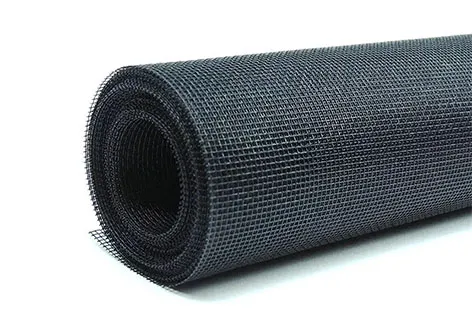
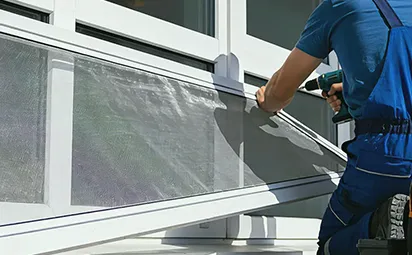
Glasfasergewebe für Schwimmbäder und Terrassen, geliefert als Rolle. Quelle: Smartex Screen-Medienbibliothek, ID 844.
Die Rollenabmessungen sind modellspezifisch und individuell anpassbar. Planen Sie diese anhand eines Feldplans, anstatt standardmäßig die breiteste verfügbare Rolle auszuwählen. Breiteres Material kann die Anzahl der Nähte bei großen Öffnungen reduzieren, kann jedoch das Rollengewicht, den Handhabungsaufwand, den Lagerplatzbedarf und den Verschnitt erhöhen.
Geben Sie die Nettobreite und -höhe jedes Paneels an, unterteilt in die Gruppen Wand, Tür und Dach.
Rechnen Sie den für den Rahmen- und Keilverzahnungsprozess erforderlichen Einbaubereich hinzu; betrachten Sie die sichtbare Öffnung nicht als Schnittmaß.
Erstellen Sie für jede in Frage kommende Rollenbreite einen Zuschnittplan und vergleichen Sie die Gesamtlänge, die Reststücke, die Anzahl der Nähte und den Arbeitsaufwand für das Team.
Bitte überprüfen Sie vor dem Versand die Rollenlänge, die Kerngröße, die Verpackungsmaße, das Bruttogewicht, die Vorschriften für Spleißstellen sowie die Kennzeichnung.
Bewahren Sie für Reparaturen, bei denen es auf Farb- und Aussehensübereinstimmung ankommt, Restmaterial aus derselben zugelassenen Charge auf.
Für Bauunternehmer kann eine geringfügig höhere Materialausbeute weniger wichtig sein als eine vorhersehbare Handhabung auf erhöhten Dachplatten. Für Importeure kann die Paletten- und Containerauslastung die bevorzugte Rollenkonfiguration beeinflussen. Die Spezifikation sollte diesen Kompromiss deutlich machen, anstatt die Rollenbreite als isolierten Wert zu betrachten.
Eine für Auftragnehmer geeignete Ausschreibung und eine Checkliste für die Freigabe von Mustern
Verwenden Sie ein einheitliches Lastenheft für Angebote, Bemusterungen und Wareneingangskontrollen. Halten Sie dabei mindestens Folgendes fest:
Produktmodell und Verwendungszweck
Konstruktion aus Glasfaser, Polyester oder vinylbeschichtetem Polyester
Maschenzahl und Garn- bzw. Drahtdurchmesser
Fertiggewicht und vereinbarte Toleranz
Rollenbreite, Rollenlänge, Kern, Spleißgrenze und Kantenbeschaffenheit
Farbe und freigegebenes Muster
Einschlägige Prüfverfahren und Prüfberichte zu Zugfestigkeit, Reißfestigkeit, Witterungsbeständigkeit oder anderen Eigenschaften
Verpackung, Etiketten, Chargenkennzeichnung und Rückverfolgbarkeit
Genaue Angabe des Dokumentumfangs für jeden Compliance-Anspruch
Menge, Anforderungen an gemischte Modelle, Bestimmungsort und Lieferbedingungen
Prüfen Sie das Muster vor der Serienfertigung im vorgesehenen Rahmen. Überprüfen Sie den Eingriff der Splines, die Rückformung nach der Handhabung, Kantenverformungen, die Sichtbarkeit bei Tageslicht, die Farbharmonie zum Rahmen sowie, ob die Monteure die Bahn spannen können, ohne dass sich Wellen bilden. Bei Nachverspannungsarbeiten sollten Sie einen repräsentativen Dach- und Wandabschnitt testen, anstatt nur ein kleines Muster auf einem Tisch zu begutachten.
Bei der Wareneingangskontrolle sollten die Einkaufsspezifikation, das freigegebene Muster, das Rollenetikett und das vermessene Material miteinander verglichen werden. Jede Abweichung ist nach Rolle und Charge zu protokollieren. Smartex Screen unterstützt benutzerdefinierte Rollenabmessungen, Materialanpassungen, Probenahme, Verpackung, Eigenmarken und die Koordination der Qualitätskontrolle; die Hochbelastbare Poolabdeckung aus Glasfaser Diese Seite ist ein weiterer wichtiger Ausgangspunkt für Projektgespräche.
Preis- und Bestellinformationen müssen modellspezifisch bleiben
Smartex Screen veröffentlicht keine allgemeine Preisspanne für Pool-Netzgewebe. Die Angebote hängen von Material, Maschenzahl, Gewebegewicht, Rollenabmessungen, Farbe, Verpackung, Sonderanfertigungen, Bestellmenge, Versandbedingungen und Bestimmungsort ab. Fordern Sie bitte ein Angebot auf der Grundlage einer vollständigen Spezifikation und eines Schnittplans an; andernfalls können zwei Angebote wesentlich unterschiedliche Produkte beschreiben.
Die Unternehmensquellbibliothek gibt als allgemeines Beispiel für die Mindestbestellmenge (MOQ) bei Siebdruckgewebe etwa 5.000 m² an, doch die tatsächliche Mindestbestellmenge variiert je nach Modell, Farbe, Verpackung und individueller Anpassung. Bitte überprüfen Sie die aktuelle Mindestbestellmenge im Angebot, anstatt diesen Wert als festen Richtwert zu betrachten.
FAQ
Was eignet sich besser für eine Schwimmbadüberdachung: 18×14 oder 20×20?
Keine der beiden Varianten ist grundsätzlich besser. Eine 18×14-Variante ist ein nützlicher Ausgangspunkt für den allgemeinen Einsatz am Pool und auf der Terrasse, während die 20×20-Variante zum Schutz vor kleineren Insekten geeignet ist. Vergleichen Sie vor der Auswahl die Öffnungsgröße, die Luftzirkulation, die Sichtverhältnisse, das Gewicht im fertig montierten Zustand, die Lage des Aufstellungsortes und die zugelassene Konstruktion der Überdachung.
Bietet ein dichteres Gewebe automatisch einen höheren Luftwiderstand?
Nein. Eine dichtere Webart verändert zwar die Luftströmung und das Druckverhalten, doch die Windtauglichkeit hängt von der gesamten installierten Einhausungsbaugruppe ab. Die Abmessungen der Paneele, die Nut-Feder-Verbindung, der Rahmen, die Befestigungselemente, die Dachgeometrie, die Verarbeitungsqualität und die maßgeblichen Projektanforderungen spielen dabei alle eine Rolle.
Welches ist das beste Gitter für eine Schwimmbadüberdachung, wenn Haustiere im Haus leben?
Verwenden Sie in den Bereichen, die besonders anfällig für Berührungen sind, eine geprüfte, haustierbeständige oder hochbelastbare Variante und überprüfen Sie anschließend deren Material, Prüfdaten, Sichtbarkeit und Montageanforderungen. Verlassen Sie sich nicht auf einen nicht belegten Festigkeitsmultiplikator und gehen Sie nicht davon aus, dass für alle Dach- und Wandpaneele dasselbe Gitter erforderlich ist.
Kann das Netz für die Schwimmbadabdeckung mit Unterlagen zu UV-Schutz oder zur Einhaltung von Vorschriften geliefert werden?
Für ausgewählte Produkte liegt möglicherweise eine Dokumentation vor, deren Umfang jedoch überprüft werden muss. Erkundigen Sie sich nach dem genauen Bericht oder Zertifikat, dem geprüften Modell, der Norm, der ausstellenden Stelle, den Daten und danach, ob sich diese Angaben auf das Gittermaterial oder das gesamte Gehäusesystem beziehen.
Wie sollten Bauunternehmer die richtige Rollenbreite bestellen?
Erstellen Sie einen Zuschnittplan und einen Schnittplan, fügen Sie die erforderliche Montagezugabe hinzu und vergleichen Sie Verschnitt, Nähte, Rollenhandhabung und Verpackung. Klären Sie die modellspezifischen Rollenabmessungen mit dem Lieferanten ab, da die Quellbibliothek keine einheitliche Breite festlegt.
Erstellen Sie die Spezifikation, bevor Sie Muster anfordern.
Bitte fügen Sie Ihrer Anfrage die Zeichnungen des Gehäuses oder die Schachtelübersicht, die Einsatzbedingungen, die gewünschte Maschenzahl, die Materialpräferenz, den Rollenplan, die Verpackungsanforderungen sowie die erforderlichen Unterlagen bei. Das technische und Produktteam von Smartex Screen kann dann die verfügbaren Modelle und Muster auf ein konkretes Projekt abstimmen, anstatt ein Angebot allein auf der Grundlage eines Produktnamens zu erstellen. Kontaktieren Sie Smartex Screen um die technischen Daten einer Pool- oder Terrassenabtrennung zu prüfen.
Über den Autor: Das Technik- und Produktteam von Smartex Screen unterstützt globale B2B-Kunden bei der Auswahl von Siebgeweben, der Entwicklung fertiger Siebsysteme, der individuellen Materialanpassung, der Mustererstellung, der Verpackung, der Produktion unter Eigenmarken, der Qualitätskontrolle und der Exportkoordination.
Wir antworten Ihnen innerhalb von 24 Stunden. In dringenden Fällen fügen Sie bitte WhatsApp/WeChat hinzu: +86 186 6025 8307,. Oder rufen Sie direkt +86 – 532 – 8562 3071 an.
*Wir respektieren Ihre Vertraulichkeit und alle Informationen sind geschützt.
Wir verwenden Ihre Informationen nur, um auf Ihre Anfrage zu antworten, und werden niemals unaufgeforderte E-Mails oder Werbenachrichten senden.

















 11:14
11:14