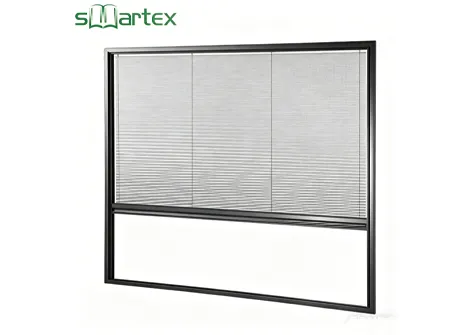
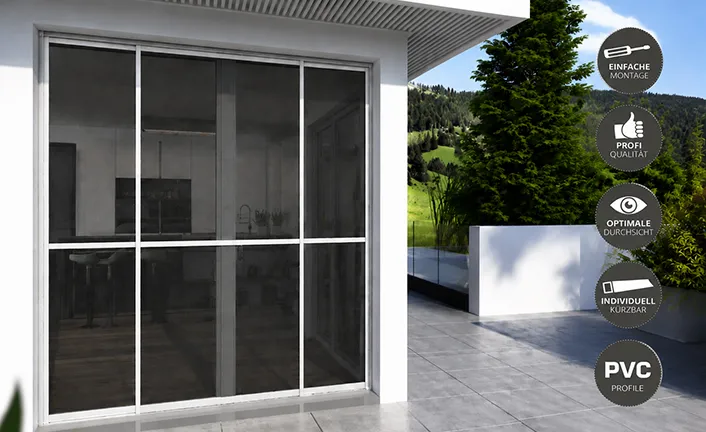
Ein schlecht ausgewähltes Insektenschutzgitter kann zu anhaltenden Insektenproblemen, einer eingeschränkten Luftzirkulation und unzufriedenen Kunden führen. Viele Händler und Monteure haben Schwierigkeiten, das richtige Gewebe auszuwählen, da die Spezifikationen verwirrend und uneinheitlich wirken. Die Lösung ist einfach: Verstehen Sie, wie Gewebe, Gitterstruktur und Materialien zusammenwirken. Ein Gewebe-Insektenschutzgitter ist ein gewebtes oder strukturiertes Barrieresystem, das in einem Fenstergitter oder einer Insektenschutztür eingesetzt wird, um Insekten fernzuhalten und gleichzeitig Luftzirkulation und Sicht zu ermöglichen. Es wird häufig bei Wohnungsfenstern, Terrassentüren, Schiebesystemen und ausziehbaren Insektenschutzanwendungen in Europa, Nordamerika und Australien eingesetzt.
Was ist ein Fenstergitter?
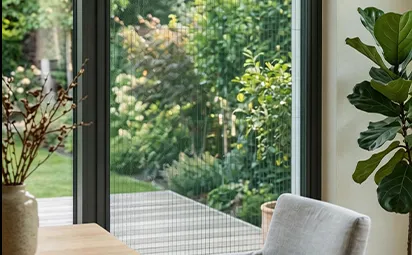
Ein Fenstergitter ist ein gerahmtes Gewebe, das über einer Fensteröffnung angebracht wird, um Insekten, Blätter und Schmutz draußen zu halten und gleichzeitig frische Luft und Tageslicht hereinzulassen. Für die meisten privaten und gewerblichen Projekte wird das Fenstergittergewebe anhand von Maschenweite, Material, Farbe, Luftdurchlässigkeit, Sichtbarkeit und dem erforderlichen Insektenschutz ausgewählt.

Fliegengittergewebe: Der vollständige Leitfaden zu Fliegengittergewebe, Fensternetzen und Arten von Fliegengittergewebe für globale Käufer
1. Was ist ein Gewebegitter und wie funktioniert ein Fenstergitter?
Ein Gitter ist eine Schutzschicht aus gewebtem Material die an Fenstern und Türen angebracht wird. Die Hauptfunktion eines Gewebegitters besteht darin, Insekten abzuhalten und gleichzeitig Luft und Licht durch die Öffnung passieren zu lassen. Ein Fenstergitter funktioniert, indem eng gewebte Fasern kleine Öffnungen bilden, die das Eindringen von Insekten verhindern. Gleichzeitig bleiben Luftzirkulation und Sicht im Wohnbereich erhalten. Dieses Gleichgewicht ist der Grund, warum Gewebe zu einem Standardmerkmal moderner Häuser geworden ist. Aus unserer Erfahrung als in China ansässiger Hersteller und Exporteur wissen wir, dass internationale Käufer zunehmend maßgeschneiderte Gitterlösungen anfordern, darunter ausziehbare Systeme, magnetische Gitter und die OEM-Produktion von Gitterrollen für groß angelegte Vertriebsprogramme.
2. Welche verschiedenen Arten von Gewebe- und Gewebematerialien gibt es?
Auf den globalen Märkten für Bau- und Heimwerkerbedarf werden viele Arten von Gewebe verwendet. Jedes Gewebematerial weist je nach Klima und Nutzung unterschiedliche Leistungsmerkmale auf. Zu den gängigsten Materialien gehören Fiberglas, Polyester, vinylbeschichtetes Polyester und Metallgewebe. Fiberglas wird bei Standardanwendungen häufig eingesetzt, da es leicht und kostengünstig ist. Polyester bietet eine höhere Haltbarkeit, während Metallgewebe und Edelstahl für besonders hohen Schutz verwendet werden. Hauptarten von Gewebe:
- Fiberglasgewebe für den privaten Wohnbereich
- Polyestergewebe für Anwendungen mit hoher Haltbarkeit
- Vinylbeschichtetes Polyestergewebe für UV-Beständigkeit
- Edelstahlgewebe für Sicherheitsanwendungen
- Metallgewebe für industrielle Umgebungen
- Jedes Gewebematerial beeinflusst die Sichtbarkeit, den Luftstrom und die Wirksamkeit des Insektenschutzes.
3. Einfluss von Maschenweite und Maschenzahl auf die Leistung des Gewebes
Die Leistung eines Gewebes hängt maßgeblich von der Maschenweite und der Maschenzahl ab. Die Maschenzahl bezeichnet die Anzahl der Öffnungen pro Quadratzoll des Gewebes.
Tabelle der Maschenweiten für Gewebe
Die folgende Tabelle der Maschenweiten hilft Käufern, gängige Spezifikationen für Fenstergitter und Poolgitter zu vergleichen, bevor sie sich für Rollen, Zuschnitte oder fertige Gittersysteme entscheiden.
| Maschenweite |
Typische Verwendung |
Am besten geeignet für |
Hinweis für Käufer |
| 18×16 |
Standard-Fenstergittergewebe |
Für Häuser, Wohnungen, Ersatz-Fenstergitter |
Ausgewogenes Verhältnis von Luftdurchlass, Sicht und Insektenschutz. |
| 18×14 |
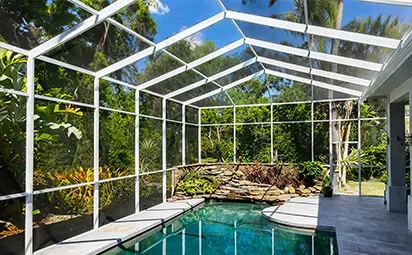
Gewebe für Pool- und Terrassenschutzgitter |
Poolkäfige, Terrassen, Veranden, große Einhausungen |
Gute Belüftung für große Öffnungen und Außenkonstruktionen. |
| 20×20 |
Mückengitter gegen Gnitzen und winzige Insekten |
Küstengebiete, Feuchtgebiete, Regionen mit Kleininsekten |
Kleinere Öffnungen verbessern den Schutz, verringern aber den Luftdurchsatz leicht. |
| 20×17 |
Robustes Feinstgewebe |
Premium-Fenstergitter, Terrassengitter, Projekte mit hohem Schutzbedarf |
Nützlich, wenn Käufer stärkeren Insektenschutz und eine stabile Webqualität benötigen. |
Eine höhere Maschenzahl bedeutet kleinere Öffnungen, was den Insektenschutz verbessert, aber die Luftzirkulation leicht verringert. Eine niedrigere Maschenzahl lässt mehr Belüftung zu, kann aber kleinere Insekten durchlassen. Zum Beispiel: 17×14-Masche = bessere Luftzirkulation, geringerer Schutz 20×20-Masche = höherer Insektenschutz, kleinere Öffnungsgröße Das Verständnis der Maschengröße hilft Käufern, die richtige Balance für Klima und Nutzung zu wählen.
4. Was sind die wichtigsten Arten von Fenster-Screen-Mesh-Systemen?
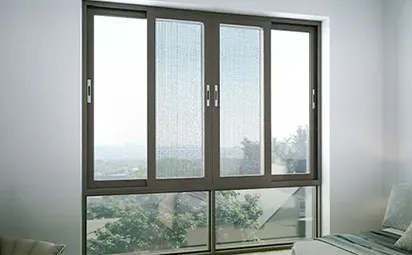
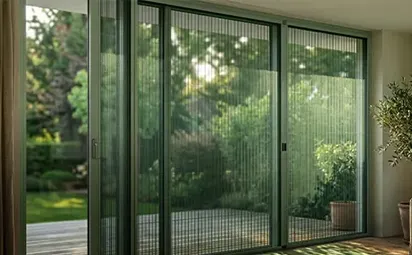
Es gibt mehrere Arten von Fenster-Screen-Mesh-Systemen, die in modernen Gebäuden verwendet werden. Dazu gehören feste Rahmen, Schiebesysteme und ausziehbare Screen-Konstruktionen. Ein standardmäßiger Screen-Rahmen hält das feste Mesh an Fenstern an Ort und Stelle. Ein Schiebetür-Screen bewegt sich horizontal für Terrassentüren. Ein ausziehbarer Screen kann bei Nichtgebrauch in eine Kassette einrollen, was ihn ideal für moderne Architektur macht.
- Zu den gängigen Systemen gehören:
- Fenster-Fliegengitterrahmen
- Schiebetür-Fliegengittersysteme
- Einfahrbare Fliegengittersysteme
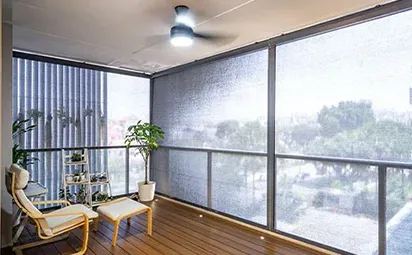
- Veranda-Fliegengitterinstallationen
- Terrassen-Fliegengitterlösungen
Diese Systeme sind darauf ausgelegt, die Luftzirkulation zu verbessern und Insekten abzuhalten, während sie sich in das architektonische Design einfügen.
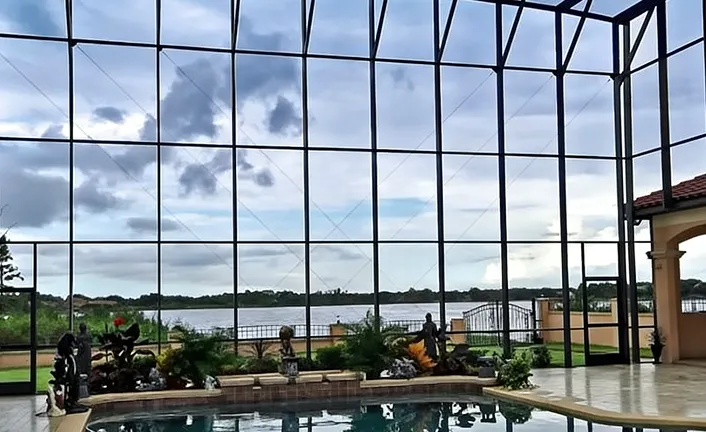
Fliegengittergewebe: Der vollständige Leitfaden zu Fliegengittergewebe, Fensternetzen und Arten von Fliegengittergewebe für globale Käufer
5. So wählen Sie das richtige Fliegengittergewebe für Ihr Projekt aus
Die Auswahl des richtigen Fliegengitters erfordert ein Verständnis von Klima, Insektenaufkommen und Gebäudetyp. In Küstengebieten kann Korrosionsbeständigkeit erforderlich sein, während in heißen Regionen möglicherweise UV-Schutz nötig ist. Um das richtige Fliegengittergewebe auszuwählen, sollten Käufer Folgendes berücksichtigen:
- Maschenweite und Maschenanzahl
- Materialart (Fiberglas, Polyester, Edelstahl)
- Anforderungen an die Sichtbarkeit
- Anforderungen an den Luftstrom
- Erwartete Haltbarkeit
Wir unterstützen globale Distributoren, DIY-Einzelhändler und OEM-Marken mit maßgeschneiderten Fliegengitterlösungen, einschließlich der Produktion von Fliegengitterrollen und verpackten DIY-Kits.
6. Warum Glasfasergewebe in der Fliegengitterproduktion weit verbreitet ist
Glasfaser ist das am häufigsten verwendete Material für Fliegengitter, weil es Flexibilität, Kostengünstigkeit und gute Durchsicht bietet. Ein Glasfaser-Fliegengitter ist rostbeständig und eignet sich gut für feuchte Umgebungen. Es lässt sich außerdem leicht montieren und austauschen, was es für DIY-Reparaturen und Fliegengitter-Austauschprojekte beliebt macht. Vorteile sind:
- Leichte Struktur
- Guter Insektenschutz
- Stabile Luftstromleistung
- Einfache Reparatur des Gewebes
Deshalb bleibt Fiberglas ein Standardmaterial für Insektenschutzgewebe in weltweiten Wohnbauprojekten.
7. Was ist ein ausziehbarer Insektenschutz und wo wird er eingesetzt?
Ein ausziehbarer Insektenschutz ist ein flexibles System, das sich bei Nichtgebrauch in ein Gehäuse aufrollt. Er wird häufig in modernen Häusern für Terrassentüren und große Fensteröffnungen eingesetzt. Dieses System ist ideal für Hausbesitzer, die freie Sicht wünschen, wenn der Insektenschutz nicht benötigt wird. Im ausgezogenen Zustand bietet es vollständigen Insektenschutz bei gleichzeitigem Luftstrom. Typische Anwendungen:
- Terrassentüren
- Schiebetür-Fliegengittersysteme
- Große Fensteröffnungen
- Veranda-Fliegengitterinstallationen
Ein ausziehbares Insektenschutzgitter ist besonders beliebt in gehobenen Wohnprojekten.
8. Was ist der Unterschied zwischen Metallgewebe, Drahtgitter und Fiberglasgewebe?
Verschiedene Gewebematerialien erfüllen unterschiedliche Zwecke. Ein Metallgewebe oder Drahtgitter ist robuster und wird in industriellen oder sicherheitsrelevanten Anwendungen eingesetzt. Fiberglas ist weicher und besser für den Wohnbereich geeignet. Wichtige Unterschiede:
- Metallgewebe: robust, weniger flexibel
- Drahtgewebe: ausgewogene Haltbarkeit und Luftdurchlässigkeit
- Fiberglasgewebe: leicht, kostengünstig
Drahtdurchmesser und Gewebeart bestimmen Festigkeit und Sichtbarkeit. Ein dichteres Gewebe erhöht die Haltbarkeit, kann aber den Luftdurchsatz und die Sichtbarkeit verringern.
9. Wie Reparatur und Austausch von Fliegengittern funktionieren
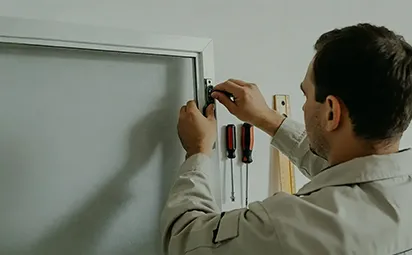
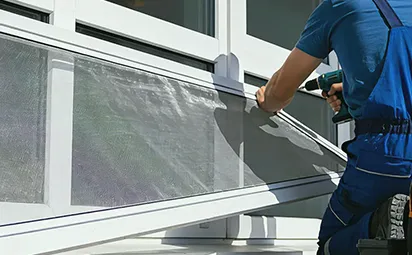
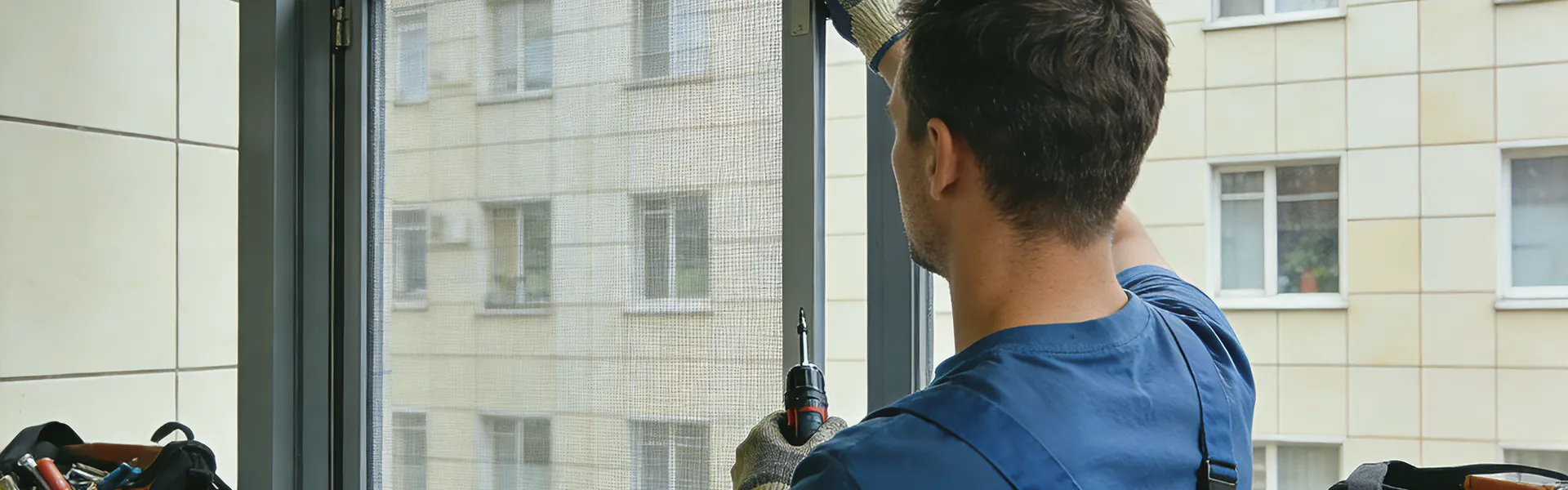
Mit der Zeit können Fliegengitter durch Haustiere, Wetter oder Alterung beschädigt werden. Dadurch werden die Reparatur und der Austausch von Fliegengittern zu einer häufigen Wartungsaufgabe. Bei der Reparatur wird in der Regel das beschädigte Gewebe entfernt und eine neue Geweberolle installiert in den vorhandenen Fliegengitterrahmen. Dieser Prozess ist einfach und im DIY-Bereich weit verbreitet. Zu den Schritten gehören:
- Altes Gewebe entfernen
- Neue Geweberolle einsetzen
- Im Rahmen befestigen
- Überschüssiges Material zuschneiden
Viele Hausbesitzer entscheiden sich eher für Ersatzgewebe als für einen vollständigen Systemaustausch, um Kosten zu sparen.
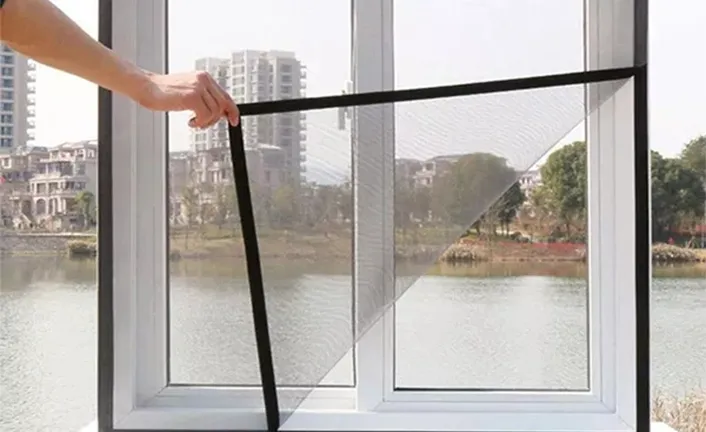
Fliegengittergewebe: Der vollständige Leitfaden zu Fliegengittergewebe, Fensternetzen und Arten von Fliegengittergewebe für globale Käufer
10. Warum mit einem professionellen Hersteller von Fliegengittern zusammenarbeiten?
Die Zusammenarbeit mit einem professionellen Hersteller gewährleistet gleichbleibende Qualität, die korrekte Kontrolle der Maschenzahl und eine zuverlässige OEM-Produktion. Als in China ansässiger Lieferant unterstützen wir globale Händler mit der Produktion von Fliegengittern in großem Maßstab. Wir bieten:
- OEM-/ODM-Anpassung
- Lieferung von Bildschirmrollen in großen Mengen
- Magnetische Fliegengittersysteme
- Produktion von ausziehbaren Fliegengittern
- DIY-Fliegengitter-Sets
Zu unseren Kunden zählen Amazon-Verkäufer, Hardware-Importeure und Händler für Baumaterialien in Europa, Nordamerika und Australien.
FAQ
Wofür wird ein Insektenschutzgitter verwendet?
Ein Insektenschutzgitter wird verwendet, um Insekten abzuhalten und gleichzeitig Luftzirkulation und Sicht durch Fenster, Türen und Terrassenöffnungen zu ermöglichen.
Welche Maschenweite ist für ein Insektenschutzgitter am besten geeignet?
Bei den meisten Projekten im Wohnbereich wird je nach Größe der Insekten und gewünschter Luftzirkulation eine Maschenweite von 18×16 oder 20×20 verwendet.
Aus welchen Materialien besteht das Fliegengitter?
Zu den gängigen Materialien gehören Fiberglas, Polyester, vinylbeschichtetes Polyester und Edelstahl.
Kann das Fliegengitter repariert werden?
Ja, die meisten Fliegengitter können durch den Austausch des Gitters repariert werden, ohne den gesamten Rahmen zu ersetzen.
Was ist ein ausziehbares Fliegengitter?
Ein einziehbares Insektenschutzgitter rollt bei Nichtgebrauch in ein Gehäusesystem ein und eignet sich ideal für moderne Patio- und Schiebetüren.
Was ist die Struktur des Insektenschutzgewebes?
Die Struktur des Insektenschutzgewebes beschreibt, wie die Fäden oder Drähte gewebt, beschichtet und angeordnet sind. Die Struktur beeinflusst den Luftstrom, die Sicht, die Festigkeit, den Insektenschutz und wie stabil das Gewebe beim Schneiden, Aufrollen und der Installation bleibt.
Wie wähle ich die richtige Maschengröße für das Fenstergitter?
Wählen Sie die Maschengröße des Fenstergitters anhand der Insekten im lokalen Markt, der Anforderungen an den Luftstrom, der gewünschten Sicht und des Rahmentyps. Standard-18×16-Masche ist in vielen Haushalten üblich, während 20×20-Masche für Gebiete mit sehr kleinen Insekten besser geeignet ist.
Was bedeutet die Maschenweite eines Insektenschutzgitters?
Die Maschenweite eines Insektenschutzgitters bezeichnet die Anzahl der Öffnungen im Gittermaterial. Eine höhere Maschenzahl ergibt kleinere Öffnungen und bietet einen besseren Insektenschutz, während eine niedrigere Maschenzahl in der Regel mehr Luftzirkulation ermöglicht.
Wichtigste Erkenntnisse
- Ein Insektenschutzgitter hält Insekten fern und gewährleistet gleichzeitig Luftzirkulation und Sichtbarkeit.
- Maschenzahl und Maschenweite bestimmen die Leistungsfähigkeit.
- Glasfaser ist das am häufigsten verwendete Material für Fliegengitter im Wohnbereich
- Einziehbare Fliegengitter bieten flexible, moderne Lösungen
- Metallgewebe wird für anspruchsvollere industrielle Anwendungen verwendet
- Die richtige Auswahl verbessert die Haltbarkeit und das Nutzererlebnis
- Die OEM-Fertigung unterstützt den weltweiten Vertrieb und die Markenbildung














 17:07
17:07