A poorly chosen screen can lead to constant insect problems, weak airflow, and unhappy customers. Many distributors and contractors struggle with selecting the right mesh because specifications look confusing and inconsistent. The solution is simple: understand how mesh, screen structure, and materials work together. A mesh screen is a woven or structured barrier system used in a window screen or screen door to block insects while allowing airflow and visibility. It is widely used in residential windows, patio doors, sliding systems, and retractable screen applications across Europe, North America, and Australia.
What is window screen?
A window screen is a framed mesh screen installed over a window opening to keep insects, leaves, and debris outside while allowing fresh air and daylight to enter. For most residential and commercial projects, window screen mesh is selected by mesh size, material, color, airflow, visibility, and the level of insect protection required.

Mesh Screen: Complete Guide to Screen Mesh, Window Screen, and Types of Screen Mesh for Global Buyers
1. What is a mesh screen and how does a window screen work?
A screen is a protective layer made from woven mesh that is installed on windows and doors. The main function of a mesh screen is to block insects while still allowing air and light to pass through the opening. A window screen works by using tightly woven mesh fibers to create small openings that prevent insects from entering. At the same time, it maintains airflow and visibility inside the living space. This balance is why mesh has become a standard feature in modern homes. From our experience as a China-based manufacturer and exporter, global buyers increasingly request customized screen solutions including retractable systems, magnetic screens, and OEM screen roll production for large distribution programs.
2. What are the different types of screen and screen mesh materials?
There are many types of screen used in global construction and home improvement markets. Each screen material has different performance characteristics depending on climate and usage. The most common materials include fiberglass, polyester, vinyl-coated polyester, and metal mesh. Fiberglass is widely used for standard screen applications because it is lightweight and cost-effective. Polyester offers higher durability, while metal mesh and stainless steel are used for heavy-duty protection. Main types of screen mesh:
- Fiberglass screen mesh for residential use
- Polyester screen for high durability applications
- Vinyl-coated polyester screen for UV resistance
- Stainless steel mesh screen for security use
- Metal mesh screen for industrial environments
- Each mesh material affects visibility, airflow, and insect protection performance.
3. How mesh size and mesh count affect screen performance
The performance of a screen depends heavily on mesh size and mesh count. Mesh count refers to the number of openings per square inch of screen.
Screen Mesh Size Chart
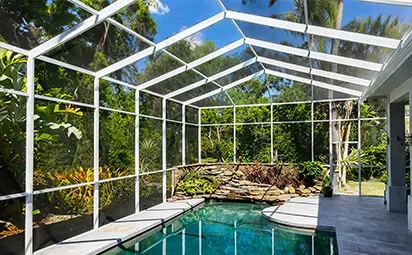
The screen mesh size chart below helps buyers compare common window screen mesh and pool screen mesh specifications before choosing rolls, cut pieces, or finished screen systems.
| Mesh size |
Common use |
Best for |
Buyer note |
| 18×16 |
Standard window screen mesh |
Homes, apartments, replacement window screens |
Balanced airflow, visibility, and insect protection. |
| 18×14 |
Pool screen and patio screen mesh |
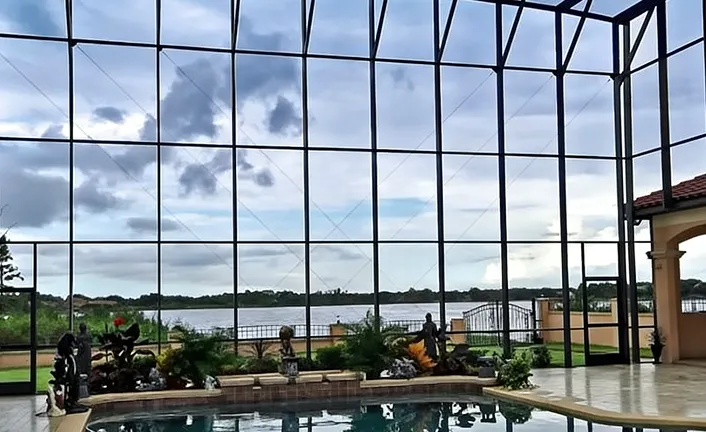
Pool cages, patios, porches, large enclosures |
Good ventilation for large openings and outdoor structures. |
| 20×20 |
No-see-um and tiny insect screen mesh |
Coastal areas, wetlands, small-insect regions |
Smaller openings improve protection but reduce airflow slightly. |
| 20×17 |
Heavy-duty fine mesh screen |
Premium window screen, patio screen, high-protection projects |
Useful when buyers need stronger insect protection and stable weave quality. |
A higher mesh count means smaller openings, which improves insect protection but slightly reduces airflow. A lower mesh count allows more ventilation but may let smaller insects pass through. For example: 17×14 mesh = better airflow, lower protection 20×20 mesh = higher insect protection, reduced opening size Understanding screen mesh size helps buyers select the correct balance for climate and usage.
4. What are the main types of window screen mesh systems?
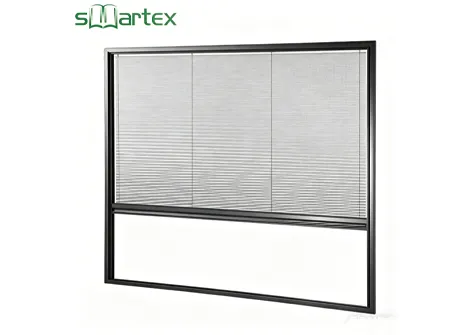
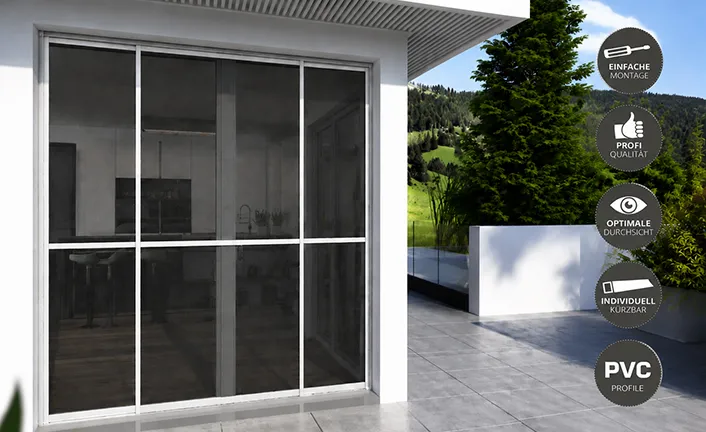
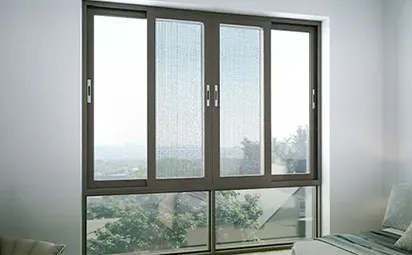
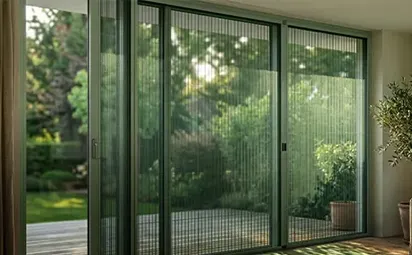
There are several types of window screen mesh systems used in modern buildings. These include fixed frames, sliding systems, and retractable screen structures. A standard screen frame holds fixed mesh in place for windows. A sliding door screen moves horizontally for patio doors. A retractable screen can roll into a cassette when not in use, making it ideal for modern architecture.
- Common systems include:
- Window screen mesh frames
- Sliding door screen systems
- Retractable screen systems
- Porch screen installations
- Patio screen setups
These systems are designed to improve airflow and block insects while matching architectural design.
Mesh Screen: Complete Guide to Screen Mesh, Window Screen, and Types of Screen Mesh for Global Buyers
5. How to choose the right mesh screen for your project
Choosing the correct screen requires understanding climate, insect levels, and building type. A coastal area may require corrosion resistance, while hot regions may need UV protection. To choose the right mesh screen, buyers should consider:
- Mesh size and mesh count
- Material type (fiberglass, polyester, stainless steel)
- Visibility requirements
- Airflow needs
- Durability expectations
We support global distributors, DIY retailers, and OEM brands with customized screen solutions, including screen roll production and packaged DIY kits.
6. Why fiberglass mesh is widely used in screen production
Fiberglass is the most commonly used material in a window screen mesh because it offers flexibility, affordability, and good visibility. A fiberglass screen is resistant to rust and performs well in humid environments. It is also easy to install and replace, making it popular for DIY screen repair and screen replacement projects. Benefits include:
- Lightweight structure
- Good insect protection
- Stable airflow performance
- Easy screen repair process
This is why fiberglass remains a standard screen material in global residential projects.
7. What is a retractable screen and where is it used?
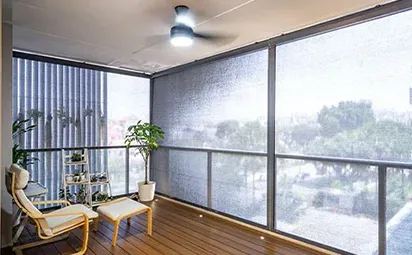
A retractable screen is a flexible system that rolls into a housing when not in use. It is widely used in modern homes for patio doors and large window openings. This system is ideal for homeowners who want unobstructed views when the screen is not needed. When deployed, it provides full insect protection while maintaining airflow. Common applications:
- Patio doors
- Sliding door screen systems
- Large window openings
- Porch screen installations
A retractable screen is especially popular in premium residential projects.
8. What is the difference between metal mesh, wire screen, and fiberglass screen?
Different mesh materials serve different purposes. A metal mesh or wire screen is stronger and used in industrial or security applications. Fiberglass is softer and better for residential use. Key differences:
- Metal mesh screen: strong, less flexible
- Wire screen: balanced durability and airflow
- Fiberglass mesh: lightweight, cost-efficient
Wire diameter and mesh weave determine strength and visibility. A tighter weave increases durability but may reduce airflow and visibility.
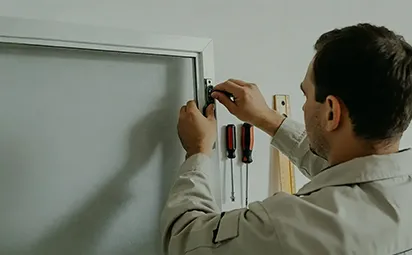
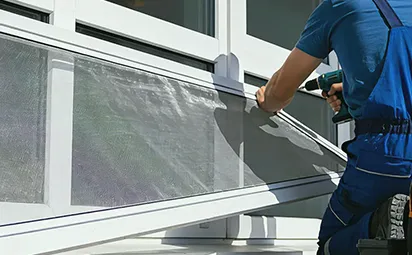
9. How screen repair and screen replacement work
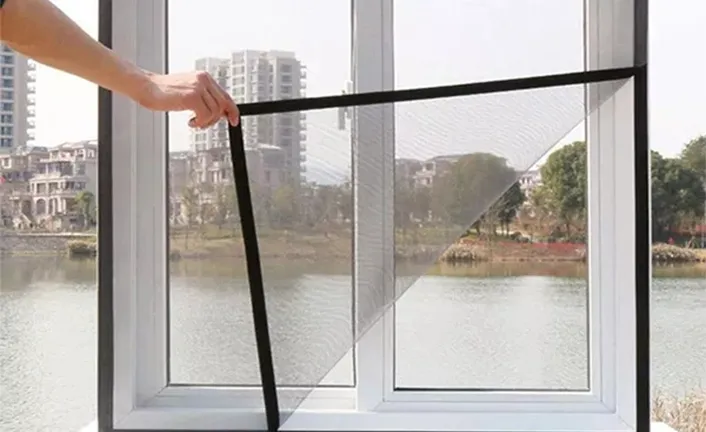
Over time, screens may be damaged by pets, weather, or aging. This makes screen repair and screen replacement a common maintenance task. Repair usually involves removing damaged mesh and installing a new mesh roll into the existing screen frame. This process is simple and widely used in DIY markets. Steps include:
- Remove old mesh
- Install new mesh roll
- Secure into screen frame
- Trim excess material
Many homeowners choose replacement screens instead of full system replacement to save cost.
Mesh Screen: Complete Guide to Screen Mesh, Window Screen, and Types of Screen Mesh for Global Buyers
10. Why work with a professional mesh screen manufacturer?
Working with a professional manufacturer ensures consistent quality, correct mesh count control, and reliable OEM production. As a China-based supplier, we support global distributors with large-scale screen production. We provide:
- OEM/ODM customization
- Bulk screen roll supply
- Magnetic screen systems
- Retractable screen production
- DIY mosquito net kits
Our customers include Amazon sellers, hardware importers, and building material distributors across Europe, North America, and Australia.
FAQ
What is a mesh screen used for?
A mesh screen is used to block insects while allowing airflow and visibility through windows, doors, and patio openings.
What is the best mesh size for a window screen?
Most residential projects use 18×16 or 20×20 mesh depending on insect size and airflow needs.
What materials are used in screen mesh?
Common materials include fiberglass, polyester, vinyl-coated polyester, and stainless steel.
Can mesh screen be repaired?
Yes, most screens can be repaired using mesh roll replacement without changing the full frame.
What is a retractable screen?
A retractable screen rolls into a housing system when not in use and is ideal for modern patio and sliding doors.
What is screen mesh structure?
Screen mesh structure describes how the yarns or wires are woven, coated, and spaced. The structure affects airflow, visibility, strength, insect protection, and how stable the mesh remains during cutting, rolling, and installation.
How do I choose the right window screen mesh size?
Choose window screen mesh size based on the insects in the local market, airflow requirements, visibility expectations, and frame type. Standard 18×16 mesh is common for many homes, while 20×20 mesh is better for areas with very small insects.
What does mesh size screen mean?
Mesh size screen refers to the number of openings in the screen material. A higher mesh count creates smaller openings for stronger insect protection, while a lower mesh count usually allows more airflow.
Key Takeaways
- A mesh screen blocks insects while maintaining airflow and visibility
- Mesh count and mesh size determine performance
- Fiberglass is the most common residential screen material
- Retractable screens offer flexible modern solutions
- Metal mesh is used for stronger industrial applications
- Proper selection improves durability and user experience
- OEM manufacturing supports global distribution and branding



















 17:07
17:07