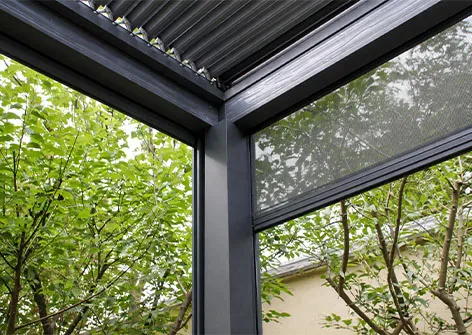
Las persianas metálicas de seguridad para ventanas son barreras de lamas o paneles metálicos que cubren el hueco para resistir intrusiones, impactos e inclemencias. Esta guía repasa los tipos más habituales, los puntos de especificación que conviene cerrar antes de pedir presupuesto y cuándo las promesas de «seguridad» deben ir respaldadas por documentación.
Qué se considera una persiana de seguridad
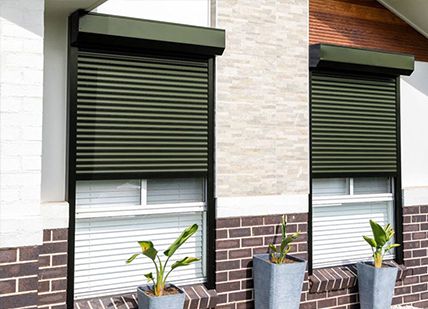
A persiana enrollable almacena sus lamas en un rodillo dentro de un cajón sobre la abertura y se desplaza por guías. Una contraventana fija o abatible es un conjunto de paneles que se abate o se desliza sobre el vidrio.
El término abarca dos familias de productos bastante diferentes. Una persiana enrollable almacena sus lamas en un rodillo dentro de un cajón sobre la abertura y se desplaza por guías. Una contraventana fija o abatible es un conjunto de paneles que se abate o se desliza sobre el vidrio. Los compradores que buscan “persianas enrollables de seguridad” suelen referirse a la primera familia, aunque los catálogos de muchos exportadores mezclan ambas bajo un mismo encabezado.
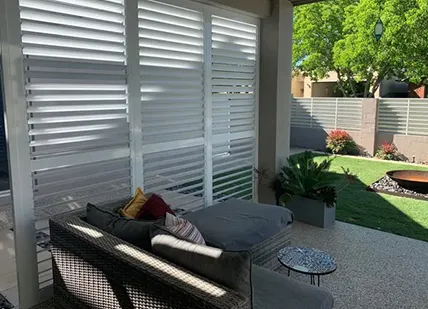
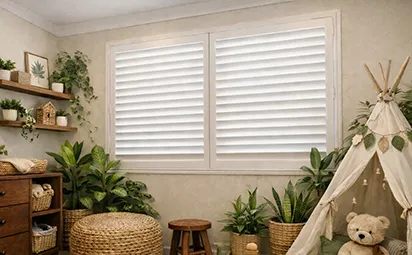
Existe una trampa de nomenclatura importante a la hora de abastecerse. En el sector, el término “shutter” también abarca las contraventanas tipo “plantation”, que son revestimientos interiores de ventanas con lamas y sin ninguna función de seguridad. Si la página de categoría de un proveedor indica «roller shutter» pero muestra lamas de PVC o imitación de madera, no se trata de un producto de seguridad.
Enrollables frente a fijas: comparativa
| Aspecto |
Persiana enrollable |
Panel batiente o corredero |
| Almacenamiento en posición abierta |
Enrollada en un cajón sobre la ventana |
Plegado o deslizado junto a la ventana |
| Funcionamiento |
Manual (strap or crank) or motorized |
Usually manual |
| Retrofit effort |
Needs space for the box and side guides |
Needs wall space beside the opening |
| Typical buyer question |
Box size, motor, slat profile |
Hinge or track strength, locking points |
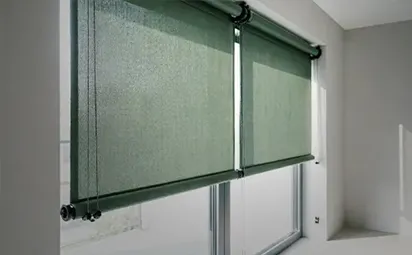
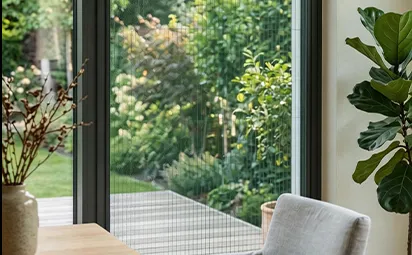
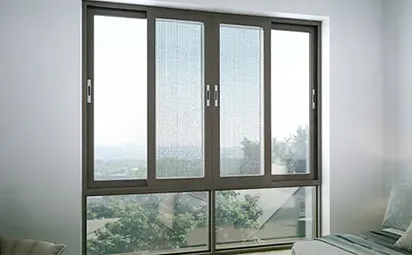
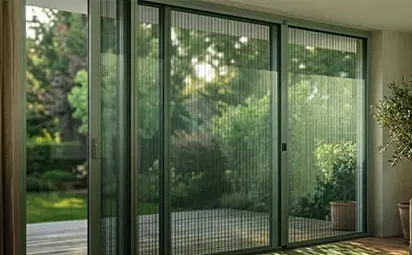
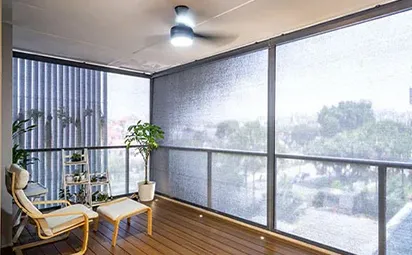
Compared with common window screens or insect screens, a security shutter serves a different purpose: screens manage airflow and insects, while shutters manage entry resistance, storm exposure, and privacy. They are often installed together, with the screen on the inner side, but they are specified separately.
Specification points buyers ask about
Slat or panel material is the first decision. Aluminum is lighter and corrosion-resistant, while steel is generally heavier and tougher to force but needs protective coating. Both come in several slat profiles, and the profile affects stiffness, noise, and whether the slats are hollow or foam-filled.
The remaining points are less obvious:
- Guide rails and end locks: a strong slat means little if the rail can be pried loose.
- Box placement: exterior, interior, or recessed into the wall, which changes the installation drawings.
- Operation: manual, spring-assisted, or motorized, plus any manual override if the motor loses power.
- Finish and color: powder coating or anodizing, and whether a custom color is needed.
- Opening dimensions: measured width and height, plus any arched or irregular openings, which are harder to fit.
Common mistakes
“Security” is not a rating. The word on a product page does not tell you what the shutter was tested against. Ask for the test report, the standard it used, the tested model, and the date. A report for one slat profile does not automatically cover another.
Bedroom windows and exits. Some local building and fire codes require that sleeping rooms keep a usable emergency exit. A shutter that cannot be opened from inside may be a problem. Check local requirements before specifying.
Size limits. Every slat profile has a maximum practical width before it sags or the motor strains. Ask the supplier for the limit of the exact profile, not a category-wide figure.
How to request a quote: 5 steps
1.Measure each opening (width, height, and available space above for the box) and record whether it is brick, concrete, or frame wall.
2.Decide the main purpose: break-in resistance, storm protection, privacy, or a combination. This sets the material and profile.
3.Choose manual or motorized operation, and ask what happens during a power cut.
4.Request the test report or compliance document for the exact model, and check that it names the product, not just the factory.
5.Ask for a sample or drawing before placing a trial order.
Preguntas frecuentes
What is the difference between a roller shutter and a plantation shutter?
A roller shutter coils into a box and rolls down guide rails, and security versions are built from metal slats. A plantation shutter is an interior louvered covering, usually PVC or faux wood, with tilting blades for light control and no security function.
Do metal security shutters stop break-ins?
They raise the effort and time needed, but how much depends on the slat, the guide rails, the locks, and the wall fixing. Ask for a test report on the exact model.
Can I add insect screens behind a security shutter?
Yes, screens and shutters are separate products and can be fitted to the same opening if the space allows.
Do I need a motor?
Not necessarily. Manual operation is simpler and avoids power-cut problems, while a motor helps on wide or high openings.




















 14:00