Metal security shutters for windows are barriers of metal slats or panels that cover a window opening to resist forced entry, impact, and weather. This guide covers the common types, the specification points to settle before requesting a quote, and where “security” claims need paperwork behind them.
What counts as a security shutter
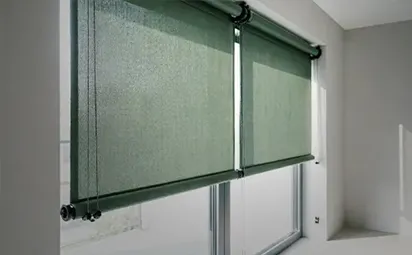
A rolling shutter stores its slats on a roller in a box above the opening and runs down guide rails. A fixed or hinged shutter is a panel set that swings or slides over the glass.
The term covers two quite different product families. A rolling shutter stores its slats on a roller in a box above the opening and runs down guide rails. A fixed or hinged shutter is a panel set that swings or slides over the glass. Buyers searching “roll down security shutters” usually mean the first family, though many exporters’ catalogues mix the two under one heading.
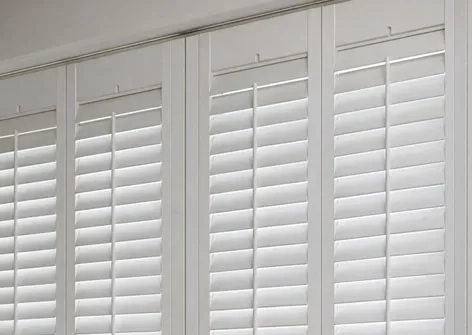
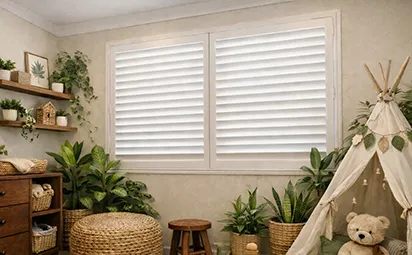
One naming trap matters for sourcing. In the shutter trade, “shutter” also covers plantation shutters, which are interior louvered window coverings with no security function. If a supplier’s category page says “roller shutter” but shows louvered PVC or faux-wood blades, it is not showing a security product.

Rolling vs. fixed: how they compare
| Point |
Rolling shutter |
Hinged or sliding panel |
| Storage when open |
Coiled in a box above the window |
Folded or slid beside the window |
| Operation |
Manual (strap or crank) or motorized |
Usually manual |
| Retrofit effort |
Needs space for the box and side guides |
Needs wall space beside the opening |
| Typical buyer question |
Box size, motor, slat profile |
Hinge or track strength, locking points |
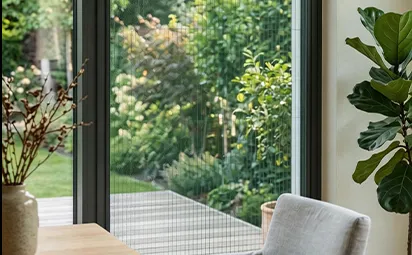
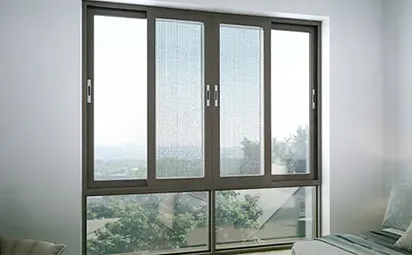
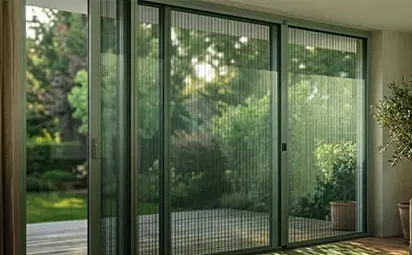
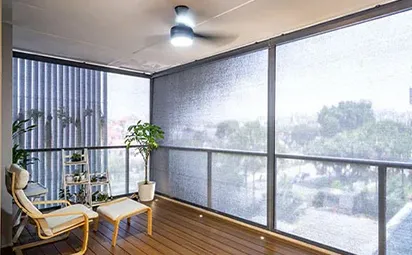
Compared with common window screens or insect screens, a security shutter serves a different purpose: screens manage airflow and insects, while shutters manage entry resistance, storm exposure, and privacy. They are often installed together, with the screen on the inner side, but they are specified separately.

Specification points buyers ask about
Slat or panel material is the first decision. Aluminum is lighter and corrosion-resistant, while steel is generally heavier and tougher to force but needs protective coating. Both come in several slat profiles, and the profile affects stiffness, noise, and whether the slats are hollow or foam-filled.
The remaining points are less obvious:
- Guide rails and end locks: a strong slat means little if the rail can be pried loose.
- Box placement: exterior, interior, or recessed into the wall, which changes the installation drawings.
- Operation: manual, spring-assisted, or motorized, plus any manual override if the motor loses power.
- Finish and color: powder coating or anodizing, and whether a custom color is needed.
- Opening dimensions: measured width and height, plus any arched or irregular openings, which are harder to fit.
Common mistakes
“Security” is not a rating. The word on a product page does not tell you what the shutter was tested against. Ask for the test report, the standard it used, the tested model, and the date. A report for one slat profile does not automatically cover another.
Bedroom windows and exits. Some local building and fire codes require that sleeping rooms keep a usable emergency exit. A shutter that cannot be opened from inside may be a problem. Check local requirements before specifying.
Size limits. Every slat profile has a maximum practical width before it sags or the motor strains. Ask the supplier for the limit of the exact profile, not a category-wide figure.
How to request a quote: 5 steps
1.Measure each opening (width, height, and available space above for the box) and record whether it is brick, concrete, or frame wall.
2.Decide the main purpose: break-in resistance, storm protection, privacy, or a combination. This sets the material and profile.
3.Choose manual or motorized operation, and ask what happens during a power cut.
4.Request the test report or compliance document for the exact model, and check that it names the product, not just the factory.
5.Ask for a sample or drawing before placing a trial order.
FAQ
What is the difference between a roller shutter and a plantation shutter?
A roller shutter coils into a box and rolls down guide rails, and security versions are built from metal slats. A plantation shutter is an interior louvered covering, usually PVC or faux wood, with tilting blades for light control and no security function.
Do metal security shutters stop break-ins?
They raise the effort and time needed, but how much depends on the slat, the guide rails, the locks, and the wall fixing. Ask for a test report on the exact model.
Can I add insect screens behind a security shutter?
Yes, screens and shutters are separate products and can be fitted to the same opening if the space allows.
Do I need a motor?
Not necessarily. Manual operation is simpler and avoids power-cut problems, while a motor helps on wide or high openings.

















 14:00