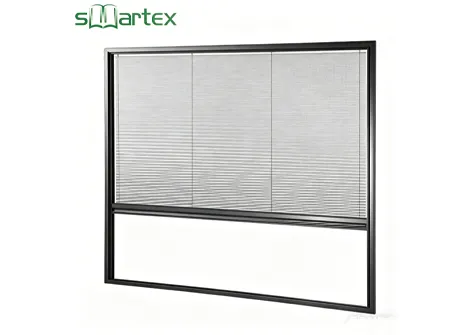
Poor screening can make a room hot, buggy, dusty, and hard to sell. Buyers notice torn mesh, weak frames, and poor visibility fast. The right mesh screen solves these problems with clean airflow, insect protection, and long-term value for homes, stores, and building projects. A mesh screen is a woven screening material used in windows, screen door systems, patio areas, and porch enclosures to block insects while allowing fresh air to flow. The best screen mesh depends on the opening size, climate, durability needs, outward visibility, color, and whether the project needs DIY kits, rolls, or finished screen systems.
Screen Mesh Selection by Use Case
Different projects need different screening performance. This comparison helps buyers choose screen mesh for windows, doors, patios, porches, and retractable screen systems without relying only on price.
| Use case |
Recommended screen mesh |
Why it fits |
Common buyer focus |
| Window screen |
Fiberglass window screen mesh, 18×16 |
Good balance of airflow, visibility, and insect protection. |
Stable color, easy cutting, clean retail packaging. |
| Screen door |
Fiberglass, polyester, or pet-resistant mesh |
Door panels need better tear resistance because they are touched often. |
Durability, replacement demand, frame compatibility. |
| Patio and porch screen |
18×14 fiberglass or heavy-duty polyester screen |
Large openings need airflow and stronger outdoor performance. |
UV resistance, roll width, long-term tension. |
| Retractable screen |
Flexible fiberglass or polyester mesh |
The mesh must roll smoothly and return cleanly without distortion. |
Flexibility, memory, edge stability. |
| Small-insect areas |
20×20 fine mesh screen |
Smaller openings help block no-see-ums and tiny flying insects. |
Protection level, airflow tradeoff, local climate. |
What Is Mesh Screening and Why Does It Matter for B2B Buyers?
Mesh screening is more than a simple barrier. It is the layer that protects indoor comfort while still keeping ventilation open. For importers, distributors, contractors, and door and window factories, the right mesh helps reduce complaints, improve product value, and support repeat orders. As a China-based professional manufacturer of insect screen systems and mesh materials, we often help global B2B buyers match screening products to local market needs. Some markets prefer charcoal fiberglass because it offers better visibility. Some need aluminum window screen because it can resist rust and corrosion. Others need pet-resistant or polyester products for homes with animals. For bulk buyers, the key is not only price. The real value comes from stable weave quality, clear color options, correct width, smooth packing, and consistent roll tension. A high-quality product line also makes private-label sales easier because every roll looks the same from order to order.
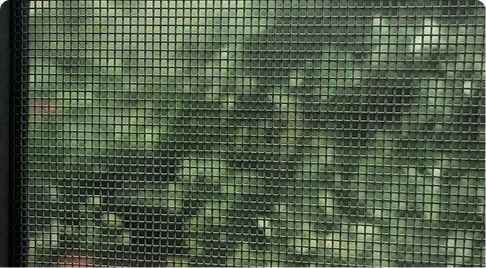
What Is Mesh Screening
Which Screen Mesh Is Best for a Window Screen?
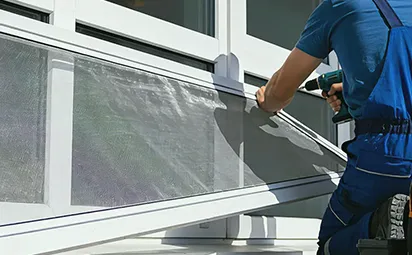
For most residential window screen projects, standard fiberglass is the most common choice. It is light, easy to cut and install, and suitable for many climates. It works well for apartments, houses, rental projects, and general home improvement retail. A window screen usually needs a balance of airflow, pest control, and visibility. If the mesh count is too low, small insects may enter. If the screen mesh is too dense, ventilation may feel weak. That is why many buyers choose charcoal fiberglass mesh for general use. It reduces glare, gives good outward visibility, and looks clean on most window frames. For areas with stronger sunlight, buyers may ask about UV stability and color life. The sun’s heat, dust, and uv rays can slowly affect weaker screening materials. For this reason, we help customers choose proper mesh material based on local climate, frame type, and expected service life.
How Do Fiberglass Mesh and Fiberglass Screen Mesh Compare?
Fiberglass is popular because it is flexible, light, and simple to handle. A fiberglass screen does not dent as easily as metal, so it is friendly for DIY and retail packaging. It can be supplied as bulk rolls, cut pieces, or a mesh kit for home use. Fiberglass screen mesh works well for window screen mesh, screen door replacement, and many light patio projects. The material is tightly woven, but it still supports airflow. This makes it a practical option for hardware chains, e-commerce sellers, and home improvement supermarkets. For B2B buyers, the biggest advantage is product range. We can supply different lengths and widths, such as 36 inch x 100 ft, 48 inch x 100ft, x 50 rolls, x 25 rolls, and customized private-label packs. This gives distributors more control over shelf planning and online product listings.
Should You Choose Aluminum Window Screen, Wire Mesh, or Polyester?
Aluminum window screen is a stronger option for buyers who want a more rigid product. It is often used in areas where better structure, heat resistance, or corrosion control matters. It can work well for coastal homes, commercial buildings, and markets where metal screening is seen as more premium. Wire mesh is different from soft fiberglass products. It may use a defined wire diameter and has a firmer hand feel. This can be useful for special building material channels, but it may be harder for DIY customers to trim neatly. If the buyer serves factories or contractors, metal options may be a good fit. Polyester screening is also growing in demand, especially for pet-resistant products and durable screen systems. It can resist stretching better than standard fiberglass and is often used where children, pets, or frequent touching may damage normal replacement screens.
| Material Type |
Best For |
Main Advantage |
Buyer Note |
| Fiberglass |
General window and door use |
Flexible and low cost |
Good for retail and DIY |
| Aluminum |
Commercial or premium use |
Firm and heat resistant |
Can dent if handled poorly |
| Polyester |
Pet and heavy-use areas |
Stronger tear resistance |
Good for upgraded product lines |
| Pleated mesh |
Modern doors and openings |
Space-saving design |
Best for system manufacturers |
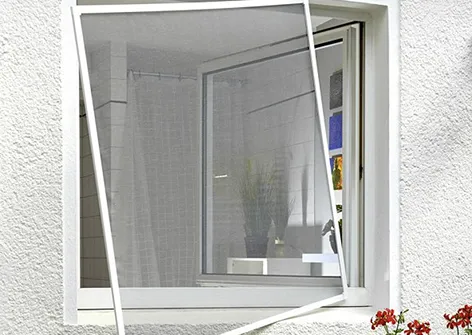
Aluminum Window Screen
What Sizes Like x 100 ft, x 50, 36 Inch x, and 48 Inch x Mean?
Screening sizes often confuse new buyers. In simple terms, the first number is usually width, and the second number is roll length. A 36 inch x 100 ft roll means the roll is 36 inches wide and 100 feet long. A 48 inch x roll gives more coverage for larger frames or patio openings. Retail buyers often need several size options. Small DIY rolls work well for home repair, while bigger screen mesh rolls are better for contractors and workshops. A roll with tools can also help online sellers because customers like simple one-box solutions. For importers and distributors, size planning affects container loading, shelf space, and profit margin. A smart product mix may include:
- Small DIY repair packs for e-commerce and hardware stores
- Medium rolls for home improvement retailers
- Large mesh roll products for assembly factories
- Custom private-label rolls for brand owners
- Bulk master rolls for local cutting and repacking
How Do You Choose a Screen Door or Screen Door Mesh Replacement Kit?
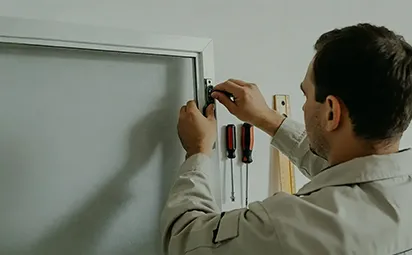
A screen door faces more movement than a normal window. People open it, close it, push it, and sometimes pets scratch it. That is why door screens often need stronger screening and better edge control. For a screen door mesh replacement kit, buyers should check mesh strength, spline fit, packaging instructions, and whether the product is easy to install. A screen door repair kit can include the screen, spline, roller, cutter, and simple instructions. This is helpful for DIY customers who want quick screen and screen door repair without hiring a contractor. For B2B channels, screen door replacement products should match local frame standards. The same product may not fit every market. We help customers compare sample frames, groove sizes, and installation habits before mass production.
What Is the Best Mesh Screen Roll for Patio, Porch, and Screen Porch Projects?
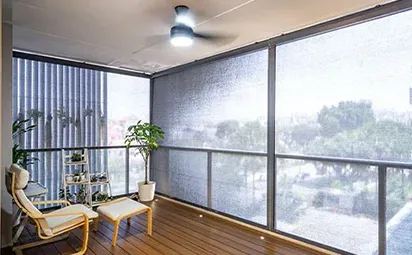
A patio or porch area usually needs stronger screening than a small window. Larger openings create more pressure from wind, people, pets, and outdoor furniture. A patio screen should have good durability and clean visibility at the same time. For a porch screen or screen porch enclosure, buyers often choose charcoal products because they make the view look clearer. Light colors may show dirt faster, while charcoal can reduce glare and blend into the background. This matters for real estate developers, renovation contractors, and outdoor living brands. A mesh screen roll for patio applications should also be packed well. Long rolls must stay flat, clean, and easy to unroll. Bad packing can cause wrinkles, edge damage, and waste during installation.
How Can Sliding Screen, Sliding Door Screen, and Patio Door Products Be Matched?
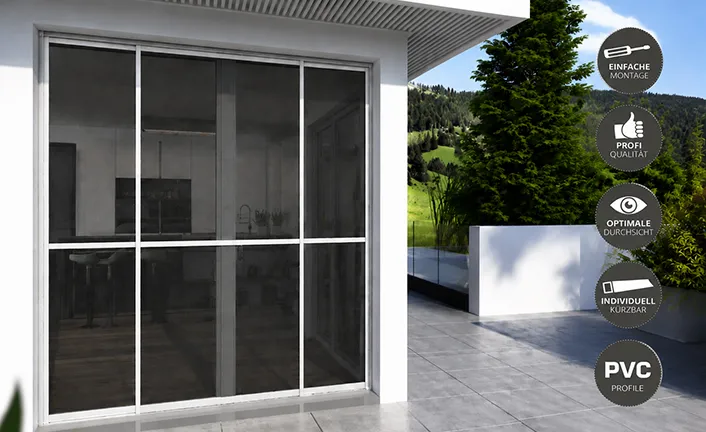
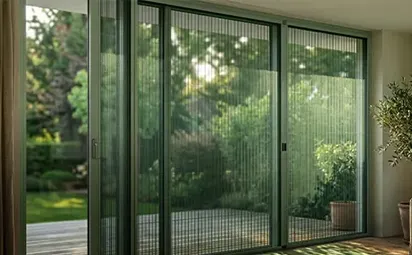
Sliding screen systems are common for balcony doors, garden doors, villas, and apartment projects. They need smooth movement, stable frames, and screening that does not sag easily. A sliding door screen should stay neat when the door moves back and forth. For sliding doors and a patio door, the screening must fit the frame system. Some factories need finished panels. Others need mesh only. Door and window system manufacturers may buy rolls, then cut and assemble locally. Brand owners may prefer finished screens replacement products packed under their own label. When buyers ask for windows screen and screen door products together, we usually suggest a complete family of materials. This helps the final store or distributor sell matching products for windows, hinged doors, sliding doors, and patio areas.
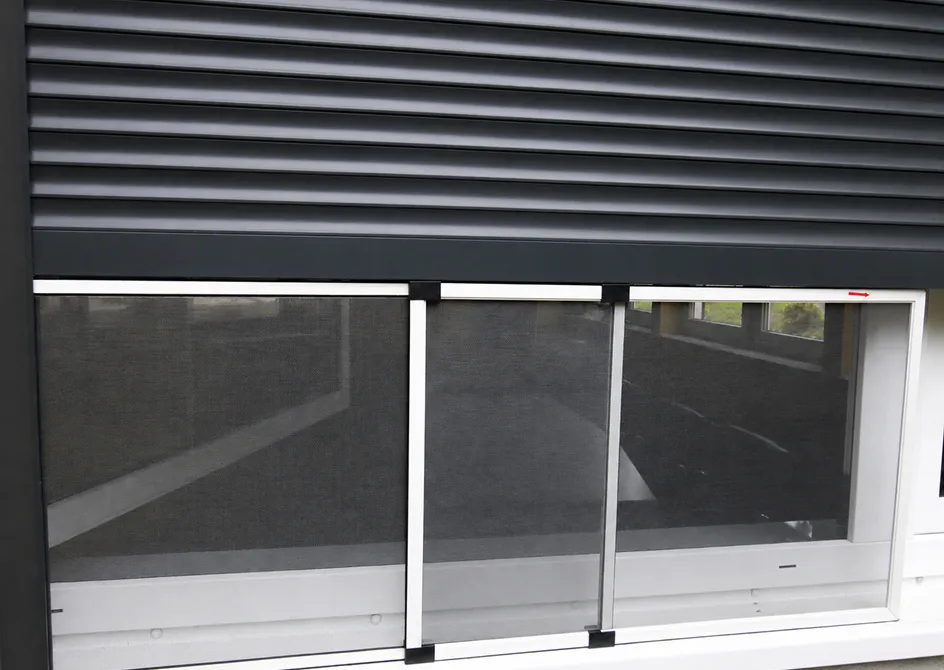
Sliding Screen
How Important Are Visibility, Airflow, and Insect Protection?
Good screening should not make a room feel closed. It should block insect entry while keeping air moving. A well-made insect screen supports ventilation, comfort, and basic pest control without making the opening look heavy. The best balance depends on weave, color, and mesh count. Charcoal screening often gives better visibility from inside the room. A denser mesh may block smaller insect pests, but it can also reduce airflow. This is why product choice should match the local environment. Here is a simple selection chart:
| Need |
Recommended Direction |
Why It Works |
| Better view |
Charcoal fiberglass |
Less visual distraction |
| Stronger use |
Polyester or pet screen |
Better tear strength |
| General insect protection |
Standard fiberglass |
Good cost-performance |
| Premium metal feel |
Aluminum screen |
Firm and durable window screen choice |
| Easy DIY |
Fiberglass kit |
Easy to cut and install |
Is Charcoal Fiberglass Mesh Better Than Gray or Black Screening?
Charcoal fiberglass mesh is popular because it makes the view cleaner from indoors. It does not shine as much as some lighter colors, so many users feel the screen “disappears” better. For home improvement retailers, that is an easy benefit to explain. Gray screening can still be useful in some markets, especially where buyers prefer a lighter look. Black screening may work for modern frames, but it can look too strong in certain window styles. This is why color options are important for private-label buyers. For product pages and packaging, do not only say “good quality.” Explain real benefits: better view, simple repair, smoother cutting, good airflow, and clean appearance. Competitors and retailers such as metro screenworks show that end users often compare details before they buy, so clear product language matters.
How Do DIY Adjustable Kits and Repair Products Help Retail Sales?
DIY products sell well because customers want fast fixes. A window screen replacement kit can help users repair torn material without replacing the whole frame. A diy adjustable kit may fit several frame sizes, which makes it useful for e-commerce and retail channels. For sellers, DIY packaging needs more than a roll of screening. It should include clear instructions, visible size labels, barcode space, and strong outer packing. A good product photo should show the mesh, tools, spline, and repair process. This category is also friendly for cross-selling. A customer who buys one mesh kit may also need a screen door repair kit, replacement spline, cutting tool, or extra replacement screens. For brand owners, this creates a wider product line with better shelf value.
What Should Importers and Distributors Check Before Bulk Ordering?
Before bulk orders, buyers should request samples and test them in real use. Pull the screening by hand. Cut it. Fit it into a frame. Slide it into the groove. Look through it under sunlight. This simple process reveals a lot. B2B buyers should also check:
- Weave consistency: no loose lines or uneven holes
- Roll edge quality: clean edges reduce waste
- Color stability: important for charcoal and gray products
- Packing strength: rolls should not crush during shipping
- Label accuracy: size, color, material, and batch should match
- Private-label support: cartons, inserts, stickers, and barcodes
As a manufacturer, we support OEM, ODM, and private-label supply for importers, distributors, window and door factories, construction suppliers, and retail brands. We can supply raw mesh, finished screen systems, fixed frame screen doors, retractable screen systems, roll-up mosquito screens, pleated screen products, and DIY window screen kits.
Case Study: Building a Better Screening Product Line for a Distributor
A building material distributor wanted to expand from basic window screen rolls into a more complete screening program. Their customers included small contractors, hardware shops, and local door makers. At first, they only sold one gray roll size, so many buyers left without finding the right option. We suggested a three-level product line. The entry range used standard fiberglass for general repair. The middle range used charcoal fiberglass for better visibility. The upgraded range used pet-resistant polyester for families with pets and high-use doors. After the product line was adjusted, the distributor could serve more buyer types from one supplier. Small shops bought repair rolls. Contractors bought larger rolls. Door factories asked for bulk rolls and finished samples. The main lesson was simple: a clear product structure helps buyers choose faster.
FAQs About Mesh Screen and Screening Products
What is the most common mesh for window screen products?
The most common choice is standard fiberglass screening. It is light, flexible, affordable, and easy to handle. It works well for most residential window screen and general screens replacement needs.
Is fiberglass or aluminum better for screen door use?
Fiberglass is easier to install and more DIY-friendly. Aluminum feels firmer and can suit premium or commercial projects. For a screen door that faces pets or heavy use, polyester or pet-resistant screening may be a better choice.
What color screen mesh gives the best view?
Charcoal usually gives better outward visibility because it reduces glare and blends into the background. Many homeowners prefer charcoal over light gray for windows, patio areas, and porch openings.
Can I buy mesh in custom sizes and packaging?
Yes. B2B buyers can order custom width, roll length, color, carton design, labels, and private-label packaging. Common options include x 100 ft rolls, x 50 rolls, DIY kits, and master rolls for local cutting.
What is the difference between mesh count and material strength?
Mesh count refers to how many openings are in the screening. Strength depends more on yarn type, coating, weave quality, and material. A higher mesh count does not always mean a stronger product.
What products should a home improvement retailer carry?
A strong retail range can include standard fiberglass rolls, charcoal rolls, window repair kits, screen door mesh replacement kit products, pet-resistant rolls, aluminum screen, and simple DIY tools.
Key Takeaways for Choosing Mesh Screen Products
- Choose screening based on application first: window, door, patio, porch, or DIY repair.
- Fiberglass is best for general use, while aluminum and polyester serve more demanding needs.
- Charcoal color often improves visibility and reduces glare.
- Bulk buyers should test weave, packing, roll edge, color, and installation fit before large orders.
- Product sizes like 36 inch x 100 ft, 48 inch x 100ft, x 50, and x 25 help cover different sales channels.
- A complete product line can include raw screen mesh, fixed frame systems, retractable screens, roll-up mosquito screens, pleated systems, and DIY kits.
- For OEM, ODM, and private-label buyers, stable quality and clear packaging are just as important as price.

















 11:20
11:20