Explore more product categories covering outdoor enclosure, shading, door and window screening, and other solutions for different market and project needs.
Explore more product categories for outdoor enclosure, shading, screen doors, window screens, pergolas, and zip blind solutions for different market and project needs.
Aluminum Insect Screen: 8 Critical Specifications Buyers Must Confirm
12
2026.08
Aluminum Insect Screen: 8 Critical Specifications Buyers Must Confirm
11:51
Aluminum Insect Screen: 8 Critical Specifications Buyers Must Confirm
Smartex Screen Technical and Product Team | Insect Screen and Sun-Shading Product Development Team | Updated August 12, 2026
Aluminum insect screen is woven metal screening used in windows, doors, and screened porches. A dependable purchase specification identifies the alloy, mesh count, wire diameter, finish, roll dimensions, packaging, inspection method, and required documents. Buyers should approve a labeled sample and roll specification before confirming commercial production.
Table of Contents
Contents
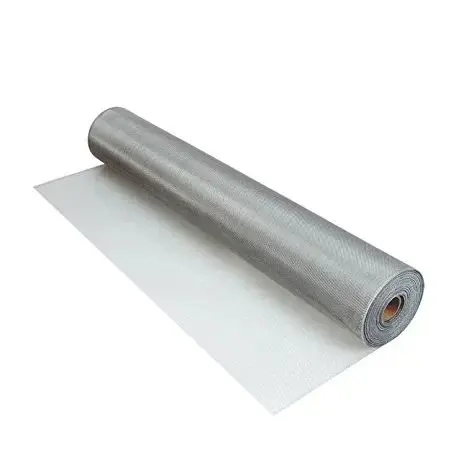
Aluminum window screen roll from the Smartex Screen media library.
The Smartex aluminum window screen roll is made from aluminum-magnesium alloy wire. Current factory options include 18×16, 18×14, 14×14, 16×14, 16×16, and 18×18 mesh configurations; bright, silver, black, and charcoal finishes; mini rolls; and standard 30 m rolls. Wire diameter and bulk roll length are quotation-specific.
Aluminum insect screen specification table
Specification
Current Smartex options
What the purchase order should state
Wire material
Al-Mg alloy wire
Approved material designation or supplier specification
Mesh count
18×16, 18×14, 14×14, 16×14, 16×16, 18×18, and custom configurations
Warp and weft openings per inch, plus counting method
Wire diameter
Customized
Nominal diameter, unit, and tolerance
Finish
Bright, silver, black, or charcoal
Finish name, approved color sample, and appearance limits
Roll length
Mini rolls, standard 30 m rolls, and custom bulk lengths
Nominal length and permitted short-roll policy
Roll width
Project-specific
Finished usable width and tolerance
Applications
Windows, doors, and screened porches
Fabrication process, frame format, and end-use market
Packaging
OEM/private-label options
Core, wrapping, labels, cartons, pallet plan, and barcode data
These are selectable product parameters, not one universal stock specification. A quotation should connect every dimension and finish to a product code. Price is also quotation-based because mesh, diameter, width, length, finish, packaging, quantity, and shipping terms change the production plan.
1. Define the alloy and wire construction
Start with the material. “Metal screen” is not enough because aluminum, stainless steel, galvanized steel, and other wire products behave differently during weaving, cutting, forming, and exposure. Smartex identifies its aluminum screen as Al-Mg alloy wire. The exact material specification for an order should appear on the supplier data sheet and approved sample record.
Do not transfer a material claim to the finished window or door system without checking the frame, spline, fasteners, and other components. Galvanic contact, cutting methods, edge handling, and storage conditions can affect the assembled product even when the mesh itself meets the purchase specification.
2. Pair mesh count with wire diameter
Mesh count states how many openings occur in each direction, but it does not fully describe the fabric. Wire diameter changes open area, mass, stiffness, visibility, and the space available for airflow. Two rolls labeled 18×16 can therefore handle and look different.
For each aluminum insect screen SKU, record the warp and weft mesh count, nominal wire diameter, finished roll width, and approved appearance. Specify the counting method and measurement unit. If the buyer is converting from an existing product, send a retained sample as well as written dimensions.
A common mistake is to choose the finest available mesh without testing the finished frame. More wires per inch can reduce the open area, while a heavier wire can make forming and spline installation more demanding. Match insect-exclusion needs to the complete construction instead of ranking mesh counts as simply “better” or “worse.”
3. Select finish by appearance and handling
Bright and silver finishes retain a metallic appearance. Black and charcoal finishes can reduce reflected light and may give a less prominent view from indoors. The decision still needs a physical sample because lighting, wire diameter, surrounding frame color, and viewing distance influence the result.
Define the finish by product code and approved limit sample. The inspection plan should cover color consistency, bare spots, scratches, stains, weave marks, and damage at roll edges. Avoid broad promises such as “corrosion proof.” Ask for the exact protective-finish description and any test report required by the destination market.
4. Control roll width, length, core, and usable yield
Nominal roll dimensions are only the starting point for conversion planning. A useful aluminum insect screen specification states usable width, length tolerance, permitted joints, short-roll rules, core dimensions, winding direction, roll diameter, and maximum roll weight. These details affect storage racks, cutting tables, container loading, and labor at the buyer’s factory.
List every finished-frame size and its cutting allowance.
Calculate the roll widths that minimize trim loss across the size mix.
Confirm whether mini rolls, 30 m rolls, or custom bulk lengths fit the sales channel.
Approve the core, wrapping, end protection, label position, and pallet orientation.
Run a trial conversion and record actual yield before fixing the repeat-order plan.
Retail mini rolls need clear consumer dimensions and protected edges. Fabricators may prefer longer rolls to reduce changeovers, but heavier packages can require different handling equipment. The lowest waste percentage is not automatically the lowest delivered conversion cost.
5. Test the aluminum insect screen in its final frame
Aluminum screening offers a more rigid hand than common flexible fiberglass mesh. That can help a fabricated panel hold a flat appearance, but it also makes creases and mishandled edges more difficult to hide. Compared with common fiberglass solutions, aluminum mesh requires closer control during unwinding, cutting, forming, and installation.
Build trial frames using production tools and the intended spline or fastening method. Check squareness, wire damage, edge retention, flatness, surface appearance, and fit in the host window or door. Test representative minimum and maximum frame sizes. The broader Smartex guide to choosing screen mesh explains how material choice connects to windows, doors, and patio projects.
6. Write measurable inspection rules
An aluminum insect screen approval sample helps align expectations, but repeat orders also need measurable acceptance rules. Define the sampling plan and test method for mesh count, wire diameter, roll width, roll length, color, winding, edges, and visible defects. State how far an inspector stands from the product and what lighting is used for appearance checks.
Verify labels against the purchase order and packing list.
Measure mesh count in both directions at several roll locations.
Measure wire diameter with an agreed instrument and method.
Check usable width, roll length records, winding tension, and telescoping.
Inspect finish consistency, broken wires, creases, contamination, and edge damage.
Convert sample material into the intended frame before release.
Keep one approved reference roll or panel under controlled storage. Record the supplier lot, production date, specification revision, and inspection result so a repeat-order difference can be traced to a defined reference.
7. Match packaging to wholesale, retail, or fabrication
Wholesale and factory rolls need moisture protection, edge protection, legible roll labels, and a pallet plan suited to the shipment. Retail products also need shelf dimensions, barcodes, language, cutting or installation instructions, warnings, and private-label artwork. E-commerce packs may need additional resistance to individual parcel handling.
The aluminum insect screen roll label should identify product code, material, mesh count, wire diameter, finish, width, length, lot, and quantity. Do not rely on carton color or a handwritten mark to separate visually similar specifications. Smartex supports custom labels, packaging design, private labels, and instruction manuals as part of OEM/ODM projects.
8. Request market-specific documents by exact scope
Aluminum insect screen documentation should follow the destination, channel, and buyer’s internal rules. Ask for the exact test or declaration, applicable product code, tested material, standard version, issuing organization, report number, issue date, and validity. A company management certificate does not automatically certify each mesh model, and a fabric report does not automatically cover a complete screen assembly.
Smartex’s portfolio refers to several compliance systems, but buyers should confirm which documents apply to this exact aluminum screen order. Put required documentation on the RFQ and purchase order rather than asking for “all certificates” after production.
Purchase approval sequence
Send the target application, frame type, market, annual volume, and packaging channel.
Define alloy, mesh count, wire diameter, finish, usable width, roll length, and core.
Review the supplier specification and labeled sample.
Convert the sample with production equipment and inspect the finished screen.
Approve appearance limits, inspection methods, packaging, labels, and documents.
Place a controlled trial order before scaling the program.
Smartex Screen supports mesh customization, samples, trial orders, private-label packaging, quality inspection, and export coordination. Contact the team through the Smartex Screen inquiry page with the completed specification table to request a model-specific quotation.
Authoritative material and regulatory references
For general aluminum material information, buyers can consult The Aluminum Association. For chemical-substance responsibilities affecting products supplied to the European market, review the European Chemicals Agency overview of REACH. These sources provide background guidance; the exact material declaration and compliance documents must still match the ordered product code and destination market.
FAQ
What mesh counts are available for aluminum insect screen?
Current Smartex options include 18×16, 18×14, 14×14, 16×14, 16×16, and 18×18, with custom configurations available by project. Confirm wire diameter and open-area needs with the mesh count.
Which finish should a distributor choose?
Bright and silver provide a metallic appearance. Black and charcoal can reduce reflected light. Approve samples under the expected lighting and next to the intended frame color.
Are 30 m rolls the only format?
No. Smartex lists mini rolls, standard 30 m rolls, and custom bulk lengths. Width, usable length, core, packaging, and short-roll policy should be written into the order.
Is aluminum screen better than fiberglass screen?
It is a different material choice. Aluminum has a more rigid hand and metal appearance, while fiberglass is more flexible and does not crease in the same way. Compare handling, visibility, fabrication, exposure, cost, and the finished frame rather than selecting by material name alone.
What information is needed for a quotation?
Provide alloy or approved material requirement, mesh count, wire diameter, finish, roll width and length, quantity, core, packaging, private-label needs, required documents, destination, and intended fabrication method.
About the author: The Smartex Screen Technical and Product Team supports screen-fabric selection, finished screen-system development, material customization, samples, prototypes, packaging, private-label production, quality control, and export coordination for global B2B customers.
















 11:51
11:51