



















ROLOS A GRANEL · FORNECIMENTO OEM · MERCADOS EUROPEUS
Fabricante de telas mosquiteiras para marcas e distribuidores
Para marcas, distribuidores, importadores e fabricantes de sistemas de tela.

A Smartex é uma fabricante de telas mosquiteiras que fornece materiais de proteção para janelas, portas e fechamentos. Compare opções de telas em fibra de vidro, poliéster, plissadas e metálicas para a sua linha de produtos e, em seguida, consulte a nossa equipe sobre rolos no atacado, requisitos de sistema e embalagens OEM.
Para marcas, distribuidores, importadores e fabricantes de sistemas de telas mosquiteiras que compram para mercados europeus, um orçamento assertivo começa com o material certo e uma especificação definida. Conte-nos como a tela será processada, qual mercado você atende e as medidas de rolo de que precisa.
Fabricação e fornecimento OEM para a sua linha de telas
A SMARTEX foi fundada em 2005. Nossa experiência de fabricação inclui o revestimento, a tecelagem e a termofixação de fios de fibra de vidro, com o desenvolvimento posterior de materiais de tela rígidos e plissados. Para um programa de aquisição de telas, esses processos oferecem pontos específicos a serem analisados durante a aprovação de amostras e uma discussão com a fábrica.
| Capacidade | Informações de fabricação publicadas | Como isso apoia sua consulta |
|---|---|---|
| Tecelagem e revestimento | As informações da empresa indicam 120 teares e 16 linhas de revestimento de PVC | Analise o fio, a trama e a estrutura do revestimento selecionados |
| Termofixação | O desenvolvimento interno da termofixação é descrito na história da nossa empresa | Avalie a estabilidade e o manuseio da malha no sistema pretendido |
| Roll supply | Product-specific short and industrial roll options | Match usable width, core and roll format to your cutting or conversion equipment |
| OEM support | Private labels, packaging and instruction-manual design | Prepare a branded range for distribution |
| Development route | Requirements review, sample development, trial order and production | Approve the material and packing before a repeat-order programme |
Equipment figures describe the published manufacturing setup; order allocation and delivery timing are confirmed for the selected product and quantity. Explore our company and manufacturing history and OEM development process.


O que é uma tela mosquiteira?
Insect screen mesh is a woven screening material used in window screens, screen doors and other framed or retractable screening systems. Its openings allow ventilation while helping to restrict insects. Material, yarn diameter, mesh count and the fit of the finished system all affect performance.
This catalogue focuses on mesh supplied for fabrication and distribution. Buyers looking for complete assemblies can also explore our window screen solutions and screen door solutions.
Explore a Nossa Linha de Telas Mosquiteiras

Tela de fibra de vidro padrão
PVC-coated fiberglass mesh is a starting point for fixed-frame window and door screening. When comparing fiberglass insect screen rolls, check mesh count, yarn diameter, finished width and surface quality together. The mesh must suit your frame, spline and handling process.

Malha de fibra de vidro rígida para sistemas de enrolar
Roller and retractable screens need fabric that behaves consistently as it winds and unwinds. Evaluate a stiff fiberglass screen sample in your cassette and guide system, checking flatness, edge behaviour, tracking and the appearance after repeated operation.

Tela de alta visibilidade
For product lines that prioritise outward views, compare a high-visibility mesh with your current fabric under the same lighting. View quality, opening area and handling strength should be considered together; a lighter appearance alone does not establish suitability for every screen system.
Telas funcionais e resistentes a animais de estimação
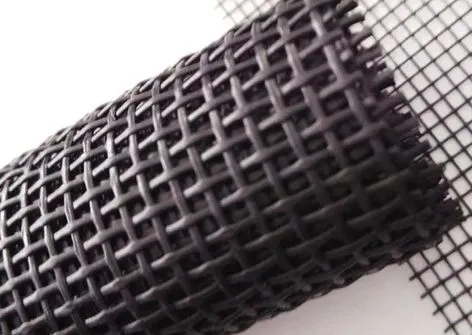
Pet-resistant mesh is an option to evaluate for doors and other areas where the screening may face scratching or frequent contact. Check tear performance, fabric thickness and frame compatibility. Pollen-control screening is a separate functional option and should be assessed against a defined filtration test and airflow requirement.
Explore tela mosquiteira resistente a animais de estimação and pollen-control screening. A resistência a animais de estimação descreve o desempenho do tecido; não transforma a tela em uma barreira de segurança.

Tela de poliéster e PET
A malha à base de poliéster oferece opções adicionais para o desenvolvimento de produtos de telas. O termo PET identifica um material polimérico; isso não significa que toda malha de PET seja resistente a animais de estimação. Informe-se sobre a estrutura, o revestimento e a finalidade de uso do produto específico antes de compará-lo com fibra de vidro ou outros tipos de poliéster.
Explore malha de tecido de poliéster and Malha de PET.

Tela Plissada e Plissé
A tela mosquiteira plissada é usada em sistemas de telas dobráveis. Nossa linha de produtos inclui opções plissadas em poliéster revestido com PVC, poliéster e PP/PE. Compare a altura da dobra, as dimensões finais, a recuperação da dobra e o acabamento das bordas com as exigências da sua estrutura e do sistema de acionamento.
Comece com tela mosquiteira plissada, depois confira tela plissada de poliéster revestida com PVC, tela plissada de poliéster and tela plissada de PP/PE.
Tela Mosquiteira Metálica
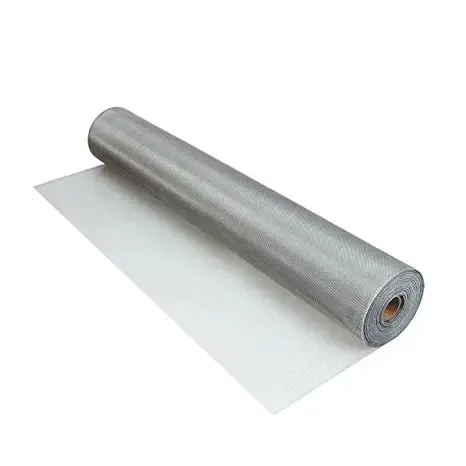
Aluminium and stainless steel screening are additional material options for window and door product lines. Specify the alloy or grade, wire diameter, weave, finish and exposure conditions. Fabrication methods differ from flexible coated mesh, so sample testing should include cutting, fixing and finished-panel appearance.
Explore aluminium screen and tela mosquiteira de aço inoxidável.
Referências de Produtos e Especificações Publicadas da Tela
Start your insect screen mesh enquiry with a named product and construction. The references below connect our product range to published specifications, so brands and distributors can shortlist samples before requesting a bulk-roll quotation.
| Product reference | Material | Contagem da malha | Diâmetro do fio | Nominal weight | Published dimensions |
|---|---|---|---|---|---|
| Standard fiberglass | PVC-coated fiberglass | 18×16 | 0.28 mm | 115 ± 5 g/m² | 0.4–3.2 m; 30 / 183 / 300 / 500 m; mini rolls also listed |
| Fibra de vidro rígida padrão | PVC-coated fiberglass | 18×16 | 0.28 mm | Não especificado para esta variante | 0,4–3,2 m; comprimentos selecionados de até 1.000 m |
| Tela de alta visibilidade: opção 18×18 | Ver construção selecionada | 18×18 | 0.23 mm | Not stated for this option | 0.4–3.2 m; mini / 30 / 183 / 300 / 500 m |
| Pet-resistant screen | Poliéster revestido de vinil | 15×10 or 17×10 | 0.55–0.60 mm | 365–370 g/m² | 0.60–2.6 m; 30 / 50 m options |
| Polyester plissé: 18×16 option | Poliéster | 18×16 | Confirm with sample | 80 g/m² | Mesh height 1.5–3 m; length 20–30 m |
| Polyester plissé: 19×20 option | Poliéster | 19×20 | Confirm with sample | 47 g/m² | Mesh height 1.5–3 m; length 20–30 m |
| Polyester plissé: 20×20 option | Poliéster | 20×20 | Confirm with sample | 85 g/m² | Mesh height 1.5–3 m; length 20–30 m |
Values are taken from the linked SMARTEX product specifications. They describe the stated variants, not batch measurements or every product in a material family. Confirm the combination of material, dimensions and tolerances on the quotation and approved sample. Product names are used as references where no public SKU code is provided.
For the polyester plissé options above, listed pleat heights are 15, 16, 18 and 20 mm. Select the mesh-and-weight combination first, then confirm the pleat height and finished dimensions for your folding system.
Compare os Materiais Antes de Selecionar um Grau
The table below is a selection guide. Final specifications belong to the individual product and approved sample.
| Product family | Starting application | Evaluate in a sample | Include in your enquiry |
|---|---|---|---|
| Standard fiberglass | Fixed window and door screens | Weave consistency, appearance, frame fit | Mesh count, yarn diameter, roll dimensions |
| Stiff fiberglass | Sistemas de enrolar e retráteis | Tracking, flatness, winding behaviour | Cassette and guide details, finished width |
| High-visibility mesh | Screens prioritising outward views | View under comparable light, handling performance | Target appearance and system type |
| Pet-resistant or functional mesh | Defined durability or filtration needs | Applicable test results and frame compatibility | Required function, thickness limits, test criteria |
| Polyester / PET | Selected fabrication and screening uses | Construction, coating, processing behaviour | Material specification and intended use |
| Pleated mesh | Folding window and door systems | Fold recovery, height, edge behaviour | Pleat and frame dimensions |
| Metal mesh | Selected fixed-frame products | Alloy/grade, finish, cutting and fixing | Wire diameter, weave, environment |
Adapte a Tela ao Seu Sistema de Mosquiteiro
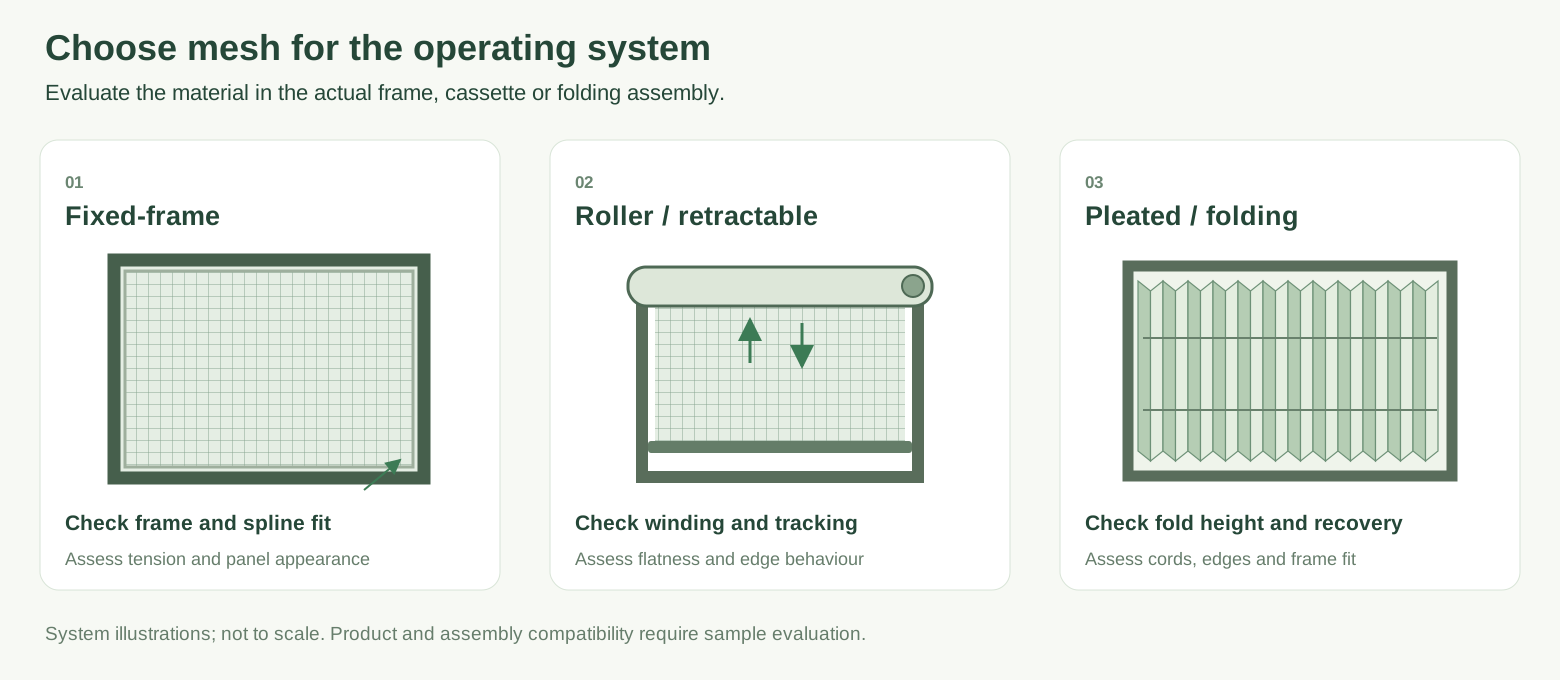
System illustrations; not to scale. Evaluate the mesh in your actual assembly.
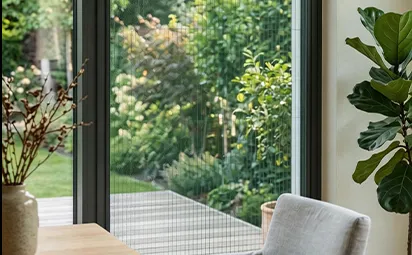
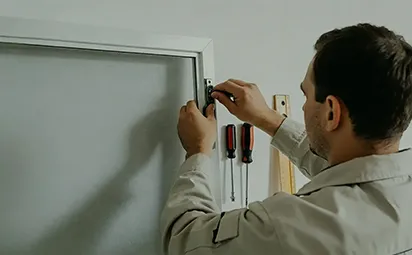
Fixed-Frame Windows and Doors
Start with your frame profile and fixing method. Check the sample with the intended spline or retaining component, then inspect finished-panel tension and appearance. For distribution ranges, choose roll widths that suit the panel sizes your customers regularly fabricate.
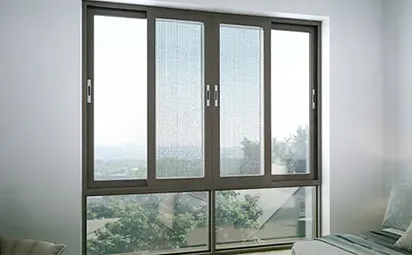
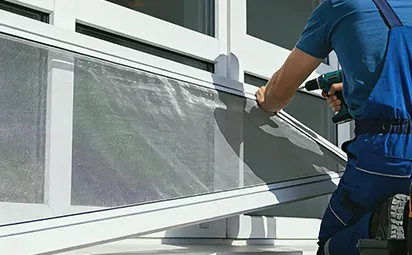
Roller and Retractable Screens
Use an operating sample to assess fit. Mesh stiffness, thickness and edge behaviour can affect winding and tracking, while the finished width must match the system. Approve the mesh in the actual assembly before committing to a bulk order.
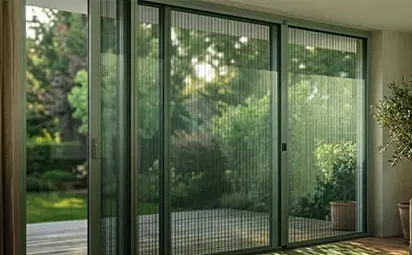
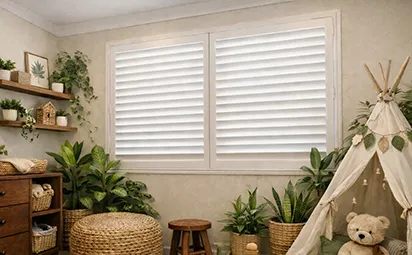
Pleated Windows and Doors
Agree the fold height and processing requirements before sampling. Check the folded stack, recovery after operation and the relationship between the mesh, cords and frame. A similar colour or material name is not enough to establish compatibility.
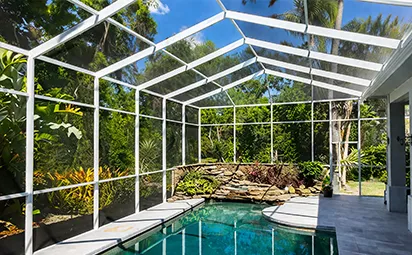
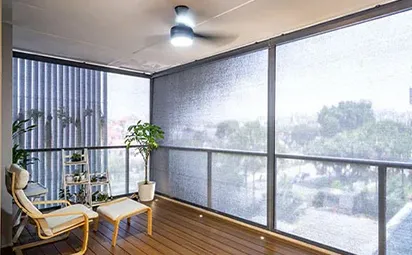
Outdoor Enclosures and Patio Systems
For enclosure screening, review the exposure conditions, panel dimensions and fixing method alongside the mesh specification. Our pool and patio screen mesh guide covers the separate selection considerations for these applications.
Leia as Especificações da Tela Antes de Comparar Preços
Screen mesh specifications describe different properties. Record them separately so a similar product name or fabric weight does not hide a difference that affects your production.
| Especificação | What it describes | Purchasing question |
|---|---|---|
| Contagem da malha | The count in each direction over a stated length, normally an inch | Are both directions stated, such as 18×16? |
| Diâmetro do fio ou arame | The size of the yarn or wire forming the mesh | Does the value describe the finished coated yarn or another stage? |
| Aperture | The clear opening between adjacent yarns or wires | What is the opening size in each direction? |
| Área aberta | The proportion of projected area occupied by openings | Is the figure calculated or measured, and for which construction? |
| Gramatura do tecido | Mass per square metre | What is the nominal value and agreed tolerance? |
| Usable width | Width available for the intended fabrication | Are edges, trimming and dimensional tolerances included? |
Aperture and open area help explain the structure; they do not by themselves establish measured airflow or insect-exclusion performance. Compare samples and test conditions when those properties are purchasing requirements. For background terminology, see this screening terminology guide.
Comprando para uma marca, distribuidor ou fabricante de sistemas?
For a brand: define the material range, product references, label language and packing information needed to present a consistent offer to your customers.
For a distributor or importer: identify the roll sizes your trade customers use, the information needed for warehousing and resale, and the documentation required for your market.
For a screen-system manufacturer: start with your frame, operating mechanism and production process. Include the requirements used to accept or reject a mesh sample, so qualification can focus on the properties that matter to your assembly.
Rolos de tela a granel e requisitos de OEM
When sourcing insect screen mesh wholesale, define the product and packing requirements together. A competitive roll price is useful only when the material fits your production and distribution process.
| Requirement | Details to share |
|---|---|
| Material and construction | Fiberglass, polyester/PET, pleated or metal; coating and finish if specified |
| Mesh specification | Mesh count and yarn/wire diameter, or your existing approved specification |
| Dimensões dos rolos | Usable width, roll length and acceptable tolerances |
| Colour | Reference sample or agreed colour reference |
| Processamento | Fixed, roller or pleated system; cutting and edge requirements |
| Packing and branding | Labels, barcode content, carton requirements and private-label artwork |
| Commercial scope | Estimated quantity, repeat-order needs and destination country |
| Documentation | Product tests or market requirements to review before quotation |
Custom sizes, colours and packaging are subject to the selected material, production feasibility and order quantity. Minimum order quantities, sample arrangements and production lead times are confirmed in the quotation. See our OEM and ODM services for project discussions.
Compare Wholesale Quotes on the Same Basis
Compare the same material, mesh construction, nominal weight, usable width and agreed tolerances. Confirm roll length, labels and packing as well as price. Where dimensions differ, convert the material price to a common area basis: price per roll ÷ (usable width in metres × roll length in metres).
For example, a 1.2 m × 30 m roll contains 36 m² before cutting losses. Compare delivery terms, freight and any separate packing or development charges consistently. This creates a clearer purchasing comparison than price per roll alone. Your own panel sizes and cutting plan determine how much of the roll becomes saleable product.
Embalagem de rolos, etiquetas e aprovação de amostras
We support private-label and packaging development through our OEM service. Agree the roll format and packing as part of the product specification, rather than treating the carton as a separate decision after fabric approval.
- For factory conversion: provide your core requirements, maximum roll diameter or handling limits, unwind direction and usable width.
- For branded distribution: provide your label language, product reference, size description, barcode artwork and carton marking requirements.
- For approval: compare the mesh sample and proposed packed format against the written specification before placing the bulk order.
One published packing example is our tela mosquiteira plissada: two pieces per bundle and five bundles per carton. This is a product-specific packing reference; other fabrics and roll formats need their own packing agreement.
Our OEM process describes sample development, customer feedback and a trial-order stage before larger orders. For roll acceptance criteria, see the window screen roll specification and packaging guide.
Da avaliação de amostras a uma especificação acordada
1. Define the application. Tell us your product type, intended market and current specification, or send a reference sample for discussion.
2. Evaluate the material. Review appearance and dimensions, then test the sample in the intended frame or operating system. Identify any product tests your purchasing team requires.
3. Confirm the order specification. Agree the material, dimensions, tolerances, packing, inspection criteria and commercial terms in writing before production.
4. Plan repeat procurement. Keep the approved specification and sample reference with your order records so future batches can be assessed against the same requirements.
Documentos do produto e critérios de inspeção
Use the product reference and approved construction when requesting quality documents. Our certificate page displays company and product-related documents; confirm the document holder, covered product, issue date and current applicability for the grade you intend to purchase.
| Purchasing requirement | Record to agree or request |
|---|---|
| Mesh count, yarn diameter and aperture | Selected construction, measurement method, sample locations and acceptance limits |
| Gramatura do tecido | Nominal g/m², tolerance and a result linked to the sample or production lot |
| Surface and roll quality | Visible defect limits, usable edges, winding and agreed inspection conditions |
| Chemical or functional requirements | Applicable product report identifying the sample, method, date and scope |
| Packing and repeat orders | Approved label and packing reference, product identification and retained sample |
The specification table above contains published nominal data. A sample or lot inspection report provides a different type of evidence: ask for results tied to the construction being approved. The OEM mesh and packaging guide explains the measurements and records to include in an acceptance specification.
Perguntas frequentes
How do I choose between fiberglass and polyester mesh?
Start with the screen system and required performance. Compare the actual grades for construction, dimensions, handling and relevant test results. Material names alone do not establish which option is stronger or more suitable for your product.
What is the difference between standard and stiff fiberglass screen?
Standard fiberglass mesh is commonly considered for fixed frames, while stiff fiberglass grades are offered for roller-system evaluation. Confirm thickness, winding behaviour and tracking in your assembly rather than selecting solely by fabric weight.
Can you supply insect screen mesh in bulk rolls?
Contact us with the material, usable width, roll length, colour and estimated quantity. We will review the requested combination and confirm the available specification, packing and commercial terms in a quotation.
Can a brand request private-label packaging?
Yes. Share the label, artwork and packing requirements for review with your selected product. Feasibility, minimum quantities and any development work need to be agreed before the order is confirmed.
Are test reports the same for every mesh?
No. Reports apply to the product or sample described in the document. Ask which material, colour or construction the report covers and whether it addresses your purchasing requirements.
How can I arrange samples and confirm the MOQ?
Send your specification and intended use through our enquiry form. Sample size, charges, courier arrangements and minimum order quantity are confirmed for the product and project. Include your country and company details so the request can be assessed accurately.
Discuss Your Insect Screen Mesh Supply Requirements
Building a brand range, sourcing wholesale rolls or qualifying a material for your screen system? Send your company details, destination market, mesh type, roll dimensions and estimated quantity. Add an existing specification or sample reference if available.
Please include your company and intended market so we can review the right material and order configuration.