Uzun Ömürlü Dayanıklı Ürünler
Mümkün olduğunca az hammadde ve ambalaj malzemesi tüketmek ve olabildiğince fazla malzemeyi geri dönüştürmek amacıyla, nakliye ambalajları da dahil olmak üzere ürünleri tasarlarken ve geliştirirken kaynakların ekonomik kullanımını göz önünde bulunduruyoruz.
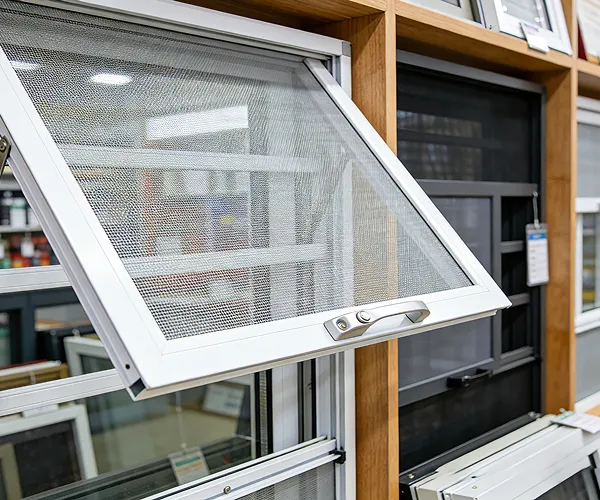
Üretime dahil edilen geri dönüştürülebilir malzemelerin yanı sıra ürünlerimiz daha uzun bir kullanım ömrüne sahiptir; bu da devam eden üretimden kaynaklanan karbon ayak izimizi azaltırken, müşterilerimizi sürekli donanım değiştirme zorunluluğundan kurtarır ve kaynak israfını azaltır.
temel önlemler
•Tüm ürünlerde 10 yıl garanti – dayanıklılığa duyulan güvenin göstergesi
•Yüksek kaliteli malzemeler – uzun ömürlü kullanım için tasarlanmış fiberglas, alüminyum, PVC
•UV ışınlarına dayanıklı kaplamalar – yoğun güneş ışığında yıpranmayı önler
•Korozyona dayanıklı – kıyı bölgeleri ve nemli ortamlar için uygun
•Minimal maintenance required – reducing resource consumption over product lifetime
Environmental benefits
•Customers don’t need to replace products frequently
•Reduced waste going to landfills
•Lower carbon footprint from reduced production cycles
•Resource conservation through extended product life
Material Recycling Program
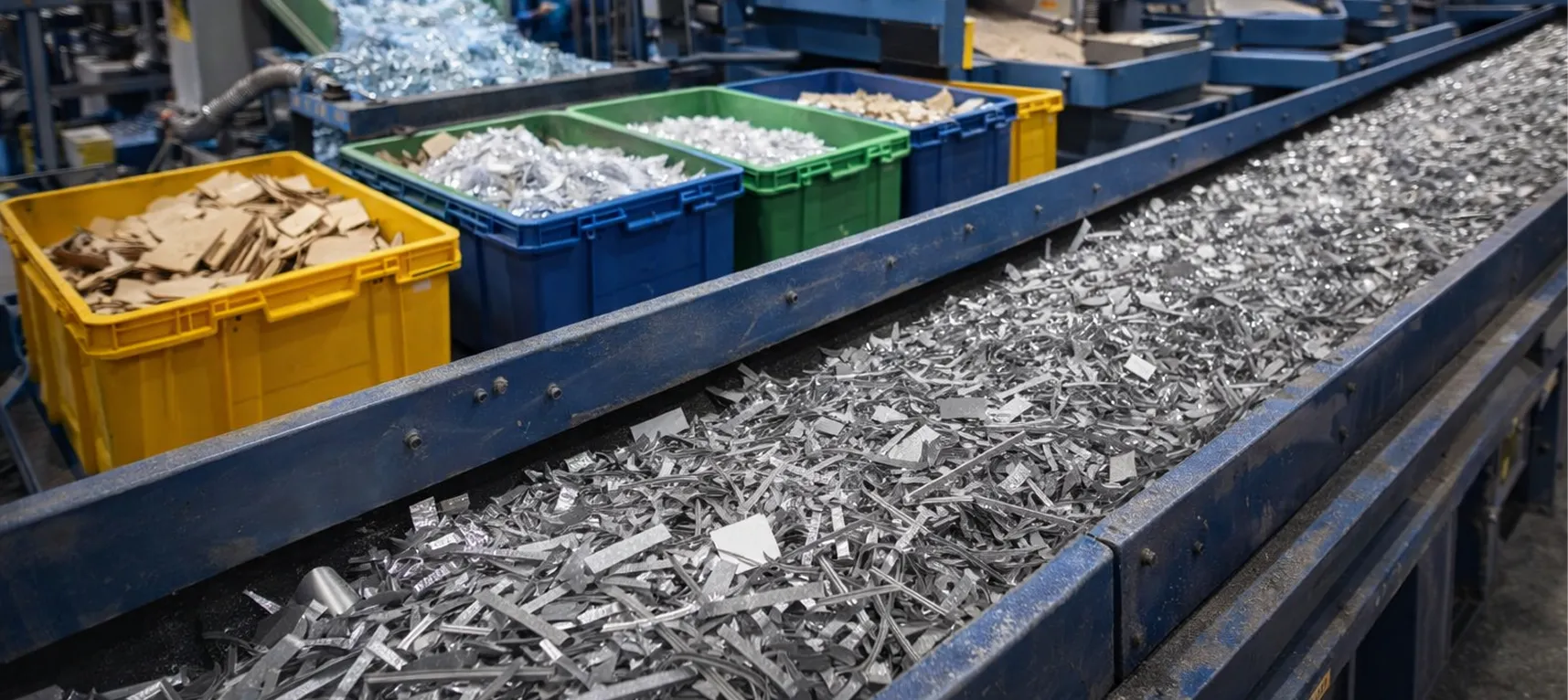
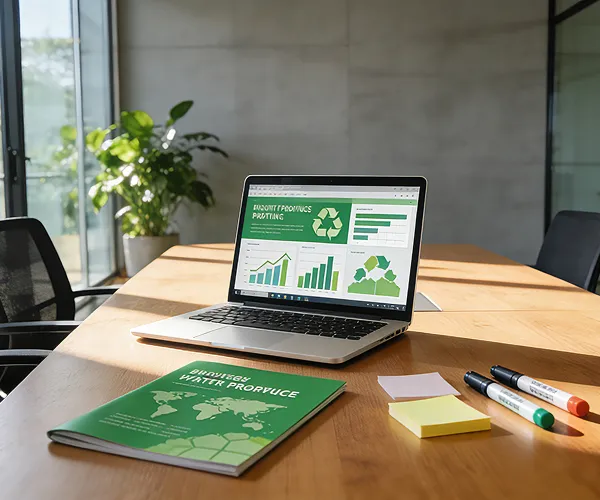
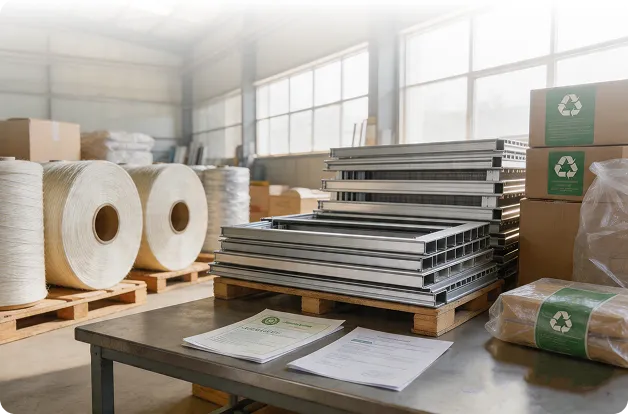
We are also proud to be able to combine our sustainability strategy with our internal efforts and practise it in our production processes and office work, for example by recycling materials generated in the production process, which are carefully sorted and sent for recycling.
This includes aluminium scraps, sheet metal perforations and cut-outs, paper, cardboard and plastic are also recycled.
Type of recycled materials
•Aluminum scraps – from cutting and extrusion processes
•Sheet metal perforations and cut-outs – from stamping operations
•Paper and cardboard – from packaging and office use
•Plastic materials – from production waste
•Fiberglass offcuts – from mesh cutting operations
•PVC materials – from injection and extrusion processes
Recycling process
1.Careful sorting at production line
2.Separate collection by material type
3.Quality check to ensure recyclability
4.Partnership with recycling facilities for proper processing
5.Tracking and reporting recycling volumes
Efficient Resource Management
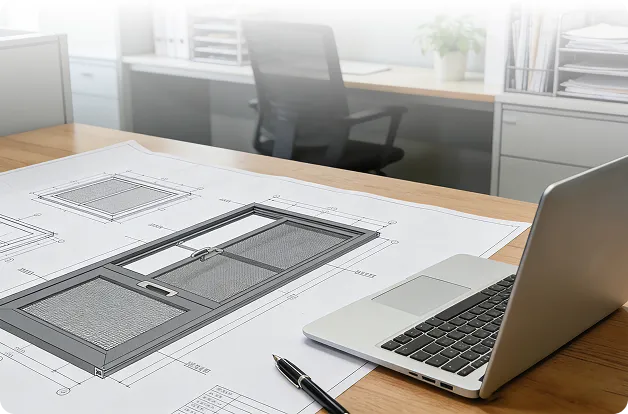
In the product design stage, we take production suitability, economic benefits, reliable operation, and convenient maintenance as the standards, rationally configure so as to consume as little raw materials and packaging materials as possible, and close the material cycle as much as possible.
Design stage optimization
•Material efficiency – optimized product design to minimize waste
•Packaging reduction – using minimal packaging while ensuring product protection
•Modular design – allowing component replacement instead of full product replacement
•Standardization – reducing variety of materials needed
Production stage optimization
•Precise cutting – minimizing offcuts and waste
•Batch optimization – reducing setup waste
•Quality control – preventing defective products that become waste
•Inventory management – reducing material obsolescence
Automation and Waste Reduction
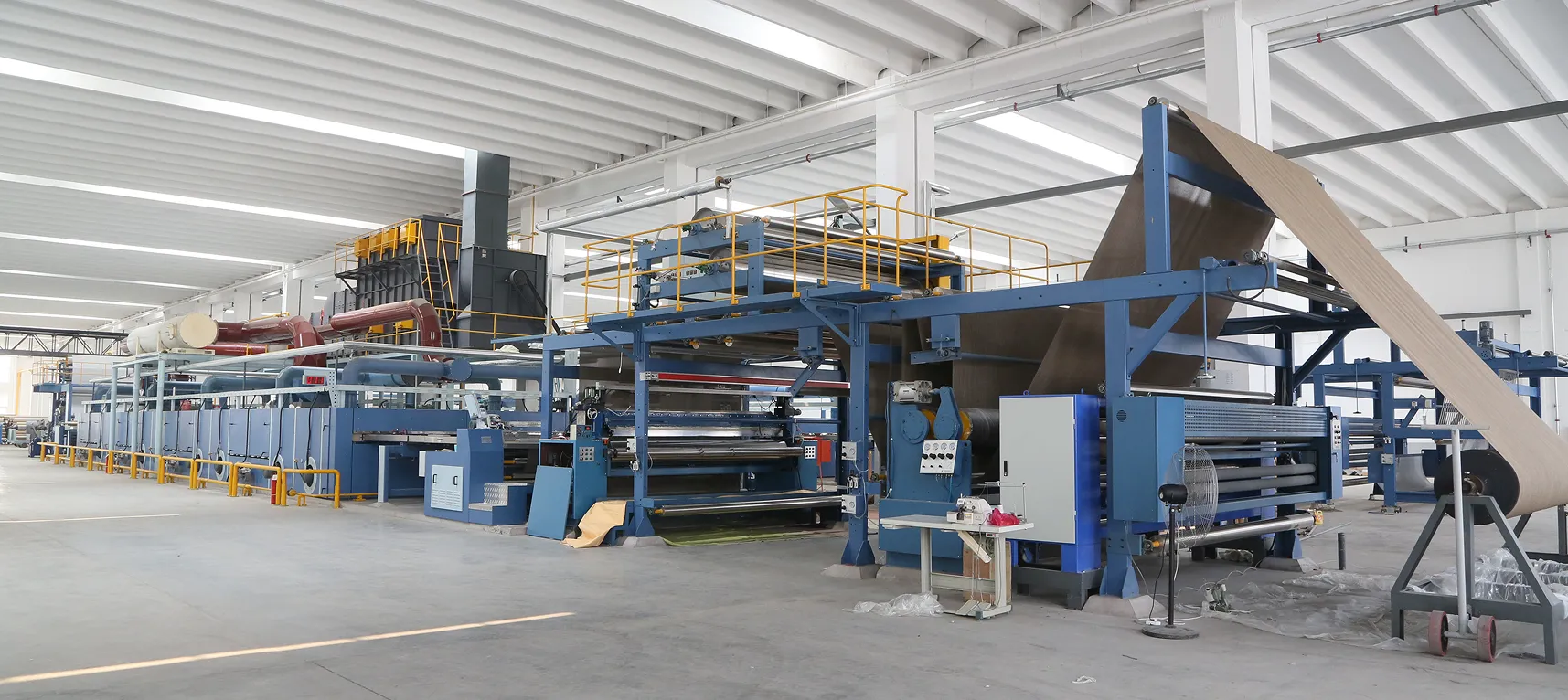
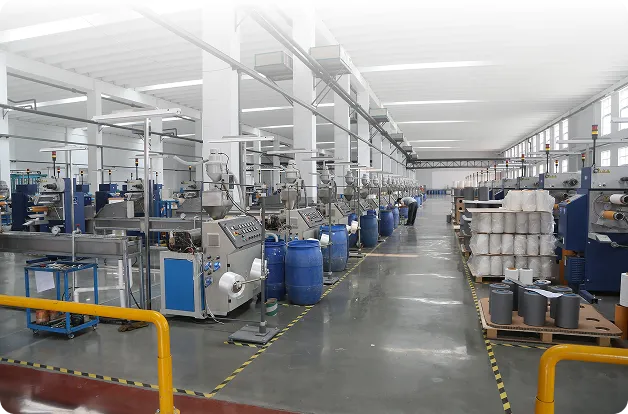
In addition to the recycled materials that go into production, our equipment is more automatic, which reduces our waste from ongoing production.
Advantages of Automation
•Precision manufacturing – automated equipment produces consistent quality with less waste
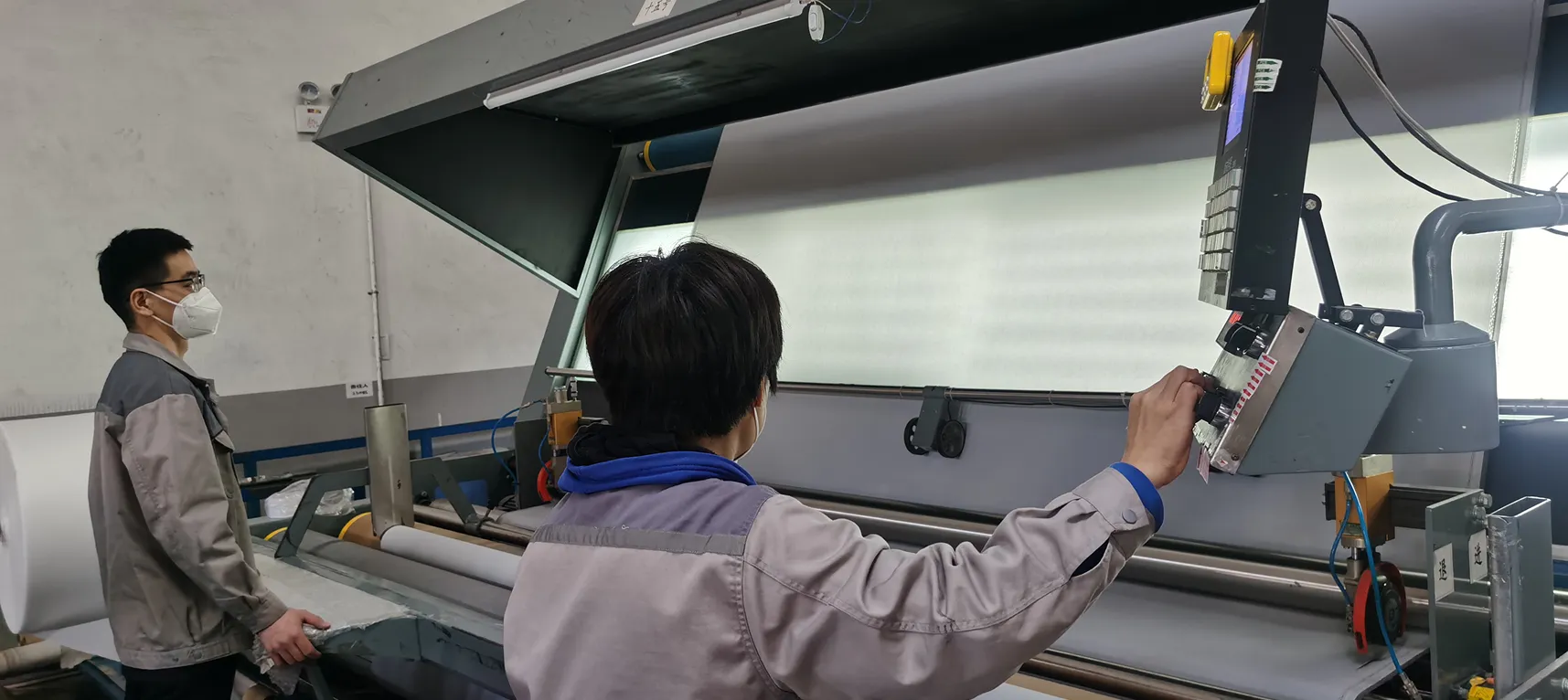
•Optimized material usage – computer-controlled cutting and processing
•Reduced human error – minimizing defects and rework
•Enerji verimliliği – modern ekipmanlar üretilen birim başına daha az enerji tüketir
Ekipman Bakımı ve Kullanımı
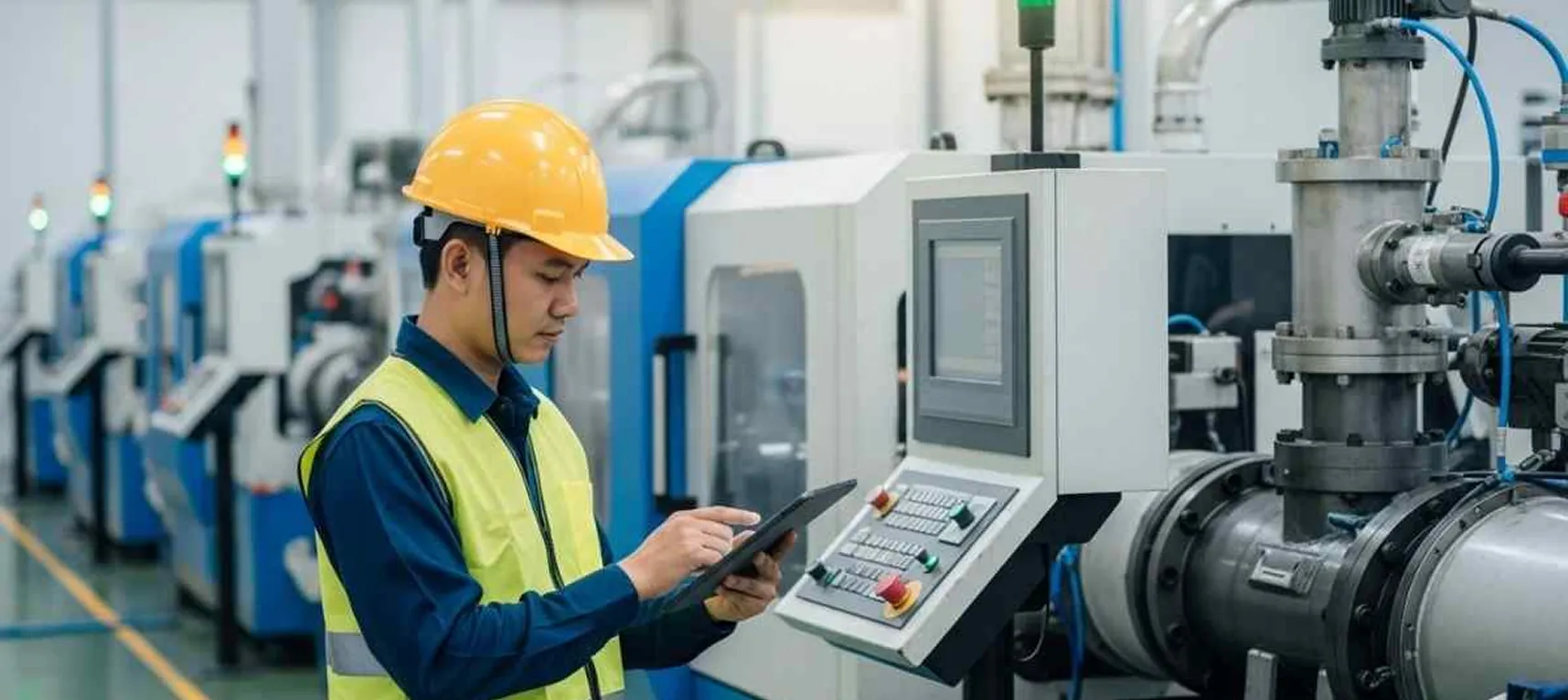
Teknisyenler, makine ve ekipmanların düzenli bakım ve onarımına özen gösterir. Makinelerin normal çalışmasını sağlar ve kullanım oranını artırır.
Bakım Planı
•Tüm ekipmanlar için önleyici bakım takvimi
•Sorunları erkenden tespit etmek için düzenli denetimler
•Duruş süresini en aza indirmek için hızlı onarımlar
•Verimliliği artırmak için ekipman optimizasyonu
•Teknisyenler için en iyi uygulamalara yönelik eğitim programları
Environmental benefits
•Daha uzun ekipman ömrü
•Reduced need for equipment replacement
•Consistent product quality reducing waste
•Optimized energy consumption
Production Planning and Cost Control
The production operation plan formulates the accurate start and end time of the process, calculates the resources used in the process, and can accurately predict the cost consumed by each process before production execution, and then carry out cost control, so that it can achieve real fine-grained resource management. Shorten delivery time, reduce waste, and synchronize quality, output and efficiency.
Fine management
•Accurate process timing – minimizing idle time and energy waste
•Resource calculation – precise material requirements planning
•Cost prediction – identifying opportunities for efficiency improvement
•Real-time monitoring – tracking resource consumption during production
•Continuous optimization – data-driven process improvements
Achievement
•Shortened delivery time
•Reduced waste
•Synchronized quality, output and efficiency
•Lower environmental impact per unit produced