Entdecken Sie weitere Produktkategorien für Außenabgrenzungen, Beschattung, Tür- und Fenstergitter sowie andere Lösungen für unterschiedliche Markt- und Projektanforderungen.
Entdecken Sie weitere Produktkategorien für Überdachungen im Außenbereich, Beschattung, Fliegengittertüren, Fensternetze, Pergolen und Zip-Rollo-Lösungen für verschiedene Markt- und Projektanforderungen.
Insektenschutz für den Außenbereich: Das richtige Gewebe für anspruchsvolle Wetterbedingungen auswählen
22
2026.08
Insektenschutz für den Außenbereich: Das richtige Gewebe für anspruchsvolle Wetterbedingungen auswählen
10:10
Insektenschutz für den Außenbereich: Das richtige Gewebe für anspruchsvolle Wetterbedingungen auswählen
Smartex Screen-Technik- und Produktteam | Insektenschutz- und Sonnenschutz-Produktentwicklungsteam | Aktualisiert am 22. August 2026
Die Auswahl von Insektenschutz für den Außenbereich beginnt mit der Belastung, nicht mit einer allgemeinen Netzbezeichnung. Pool-Einhausungen, Terrassen, Veranden und andere Freiluftprojekte sollten nach Maschenzahl, Material, Flächengewicht, Öffnungsgröße, UV- und Witterungseinwirkung, Sichtdurchlässigkeit, Rollenformat und dem Rahmensystem spezifiziert werden, das den Screen aufnehmen wird.
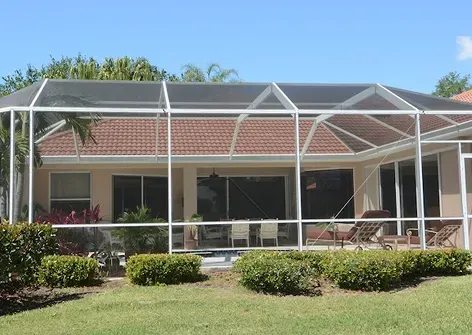
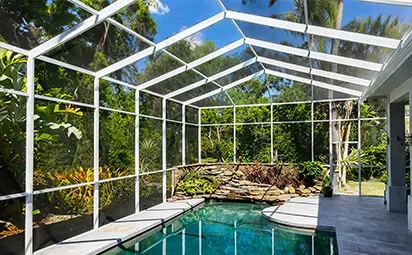
Pool- und Terrassen-Schutzgewebe aus der Smartex Screen Media Library.
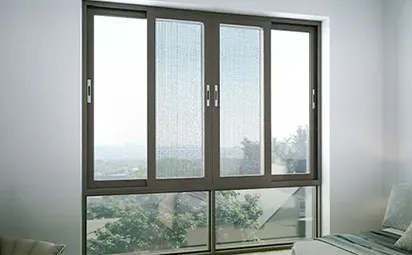
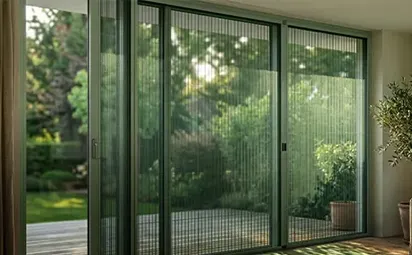
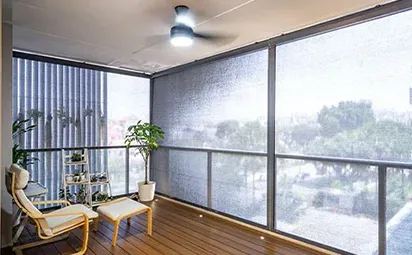
Smartex liefert Pool-Insektenschutzgewebe für Poolumrandungen, Terrassen, Veranden, Außenabschirmungen, Anwendungen gegen kleinste Insekten, tierresistente Anwendungen und Solar-Control-Ausführungen. Produktbeispiele sind Konstruktionen aus Glasfaser, Polyester und vinylbeschichtetem Polyester. Die richtige Wahl hängt von der fertigen Öffnung, der örtlichen Witterung, der Installationsmethode und der Leistungszusage ab, die der Käufer machen muss.
Spezifikationsmatrix für Außenschutzgewebe gegen Insekten
Projektbedingung
Zu vergleichende Spezifikation
Was vor der Bestellung zu prüfen ist
Starke Sonneneinstrahlung und lange tägliche Sonnenexposition
Material, Beschichtung, Farbe, Stoffgewicht und Umfang der Witterungsprüfung
Modellspezifische UV- oder Witterungsspuren, Farbvorlage und Austauschplan
Große Spannweiten bei Schwimmbädern oder Terrassen
Maschenzahl, Stoffgewicht, Rollenbreite, Nahtanordnung und Rahmenspannung
Test mit Platten in Originalgröße, Kantenfestigkeit, Fugenverfahren und Handhabung bei der Verlegung
Windanfällige Öffnungen
Geometrie des fertigen Systems, Rahmenverankerung, Netzspannung und Öffnungsgröße
Kriterien für Projektingenieure oder Installateure; das Netz allein ist kein Windwiderstandskriterium
Kleine fliegende Insekten
Öffnungsweite, Maschenzahl, Garn- oder Drahtdurchmesser und Luftstromeffekt
Parallele Überprüfung des Insektenschutzes und der Sichtverhältnisse im vorgesehenen Rahmen
Ersatz oder Nachschub im Einzelhandel
Rollenbreite, Rollenlänge, Verpackung, Etikett und Rückverfolgbarkeit der Artikelnummer
Schnittplan, Kartonschutz, Barcode-Daten, Anleitungen und Chargenprotokolle
1. Passen Sie die Maschenweite an die jeweilige Insektenart und die erforderlichen Luftdurchlasswerte an
Die Maschenzahl beschreibt die Maschenöffnungen in Kett- und Schussrichtung. Eine dichtere Maschenstruktur kann zum Schutz vor kleineren Insekten beitragen, kann jedoch auch Auswirkungen auf den Luftstrom, die Sicht, das Gewicht, das Schneideverhalten und den Montageaufwand haben. Betrachten Sie eine höhere Maschenzahl nicht als universelle Verbesserung. Vergleichen Sie die tatsächliche Maschenöffnung und die fertige Bahn an der Stelle, an der sie eingesetzt werden soll.
Für Projekte im Außenbereich gehören zu den gängigen Produktbeispielen im Smartex-Sortiment die Ausführungen 17×14, 18×14, 20×17 und 20×20. Ein „No-See-Um“-Beispiel in der Größe 20×20 hat ein Gewicht von ca. 215 g/m², während andere Modelle mit erhöhter Sichtbarkeit und für den intensiven Einsatz unterschiedliche Gewichte aufweisen. Hierbei handelt es sich um Modellbeispiele, nicht um eine einheitliche Spezifikation für alle Insektenschutzgitter im Außenbereich.
2. Wählen Sie Material und Gewicht für das gesamte System aus
Glasfaser, Polyester und vinylbeschichtetes Polyester können sich beim Zuschneiden, Spannen, Falten, Transportieren und Austauschen unterschiedlich verhalten. Das Gewebegewicht beeinflusst die Handhabung und kann sich darauf auswirken, wie gut eine breite Bahn während der Montage in der Ausrichtung bleibt. Der Rahmenkanal, die Leiste oder Befestigung, die Eckverbindung und die Nahtmethode müssen mit dem ausgewählten Gewebe kompatibel sein.
Bitten Sie um ein beschriftetes Muster, das mit einem Produktcode verknüpft ist. Notieren Sie Material, Maschenzahl, Gewicht, Farbe, Breite, Rollenlänge, Toleranz und Verwendungszweck. Smartex Leitfaden zu den technischen Daten von Pool-Schutznetzen bietet einen nützlichen Ausgangsrahmen für den Vergleich von Maschenzahlen, Gewichten, Rollenformaten und Fragen zur Herkunft.
3. Die Windbeständigkeit als systembezogene Frage betrachten
Ein Sichtschutzgewebe allein gewährleistet noch keine universelle Windbeständigkeit. Das Windverhalten hängt von den Abmessungen der Öffnung, den Rahmenspannweiten, den Verankerungen, den Pfosten, den Ecken, der Spannung, den Nähten, der umgebenden Konstruktion sowie den örtlichen baulichen Anforderungen ab. Ein schweres Gewebe kann an einer schwachen Befestigungsstelle dennoch versagen, während ein leichteres Gewebe für eine kleinere, gut abgestützte Fläche geeignet sein kann.
Notieren Sie die Breite, Höhe und Spannweite der Öffnung sowie die Rahmenanordnung und den Abstand zwischen den Stützen.
Legen Sie die örtlichen Einwirkungsbedingungen sowie die Abnahmekriterien für den Monteur bzw. den Techniker fest.
Stellen Sie ein seriengerechtes Muster mit dem vorgesehenen Netz, Rahmen, den Nähten und Befestigungselementen her.
Überprüfen Sie nach der Montage die Spannung, den Sitz an den Kanten, die Ecken, die Durchbiegung und die Demontagemöglichkeiten.
Bewahren Sie die genehmigte Zeichnung und das Prüfprotokoll zusammen mit dem Produktcode auf.
Eine Netzbeschreibung darf nicht zu einer strukturellen Zusicherung werden. In der Projektdokumentation sollte genau angegeben werden, was geprüft wurde und was weiterhin in den Verantwortungsbereich der Gebäudehüllenplanung fällt.
4. Finden Sie das richtige Gleichgewicht zwischen UV-Strahlung, Regen und Reinigung
Bei Programmen für Insektenschutzgitter im Außenbereich sollte die Beanspruchung genau definiert werden, anstatt einfach pauschal mit dem Begriff “wetterbeständig” zu werben. Dabei sind direkte Sonneneinstrahlung, Wechsel zwischen Sonne und Schatten, salzhaltige Luft, Schwimmbadchemikalien, Staub, Regen, Reinigungshäufigkeit und saisonale Lagerung zu berücksichtigen. Die Wahl der Farbe und der Beschichtung kann sich auf das Erscheinungsbild und den Pflegeaufwand auswirken, doch die entsprechenden Nachweise müssen sich auf das jeweilige Modell beziehen.
Bewahren Sie bei Nachbestellungen ein Referenzmuster auf und legen Sie zulässige Abweichungen hinsichtlich Farbe, Webart, Beschichtung, Kantenbeschaffenheit und Abmessungen fest. Falls eine Bewitterungs- oder UV-Prüfung angefordert wird, geben Sie die Prüfmethode, das Labor oder das interne Verfahren, die Expositionsdauer, die Bewertungskriterien und den genauen Materialumfang an, bevor Sie das Ergebnis in Produktunterlagen verwenden.
5. Entscheiden Sie sich bewusst für Sichtbarkeit und Datenschutz
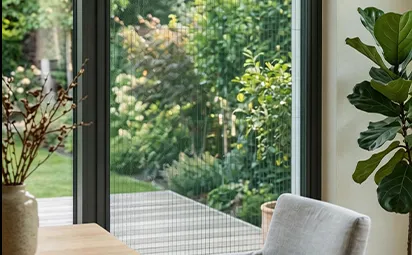
Käufer von Pool- und Terrassenvliesen wägen häufig den Insektenschutz gegen die Sicht nach außen und den Blendschutz ab. Die Maschenzahl, der Garndurchmesser, die Farbe, das Gewebegewicht und die Konstruktion des Sonnenschutzes beeinflussen alle die Sicht durch die fertige Bahn. Ein schwarzes oder anthrazitfarbenes Gewebe kann ein anderes optisches Ergebnis liefern als ein helles Gewebe, selbst wenn die nominelle Maschenzahl ähnlich ist.
Prüfen Sie die Muster von innen und außen bei Tageslicht und in der Abenddämmerung. Vergleichen Sie das vorgeschlagene Insektenschutzgitter für den Außenbereich mit dem derzeit vom Käufer verwendeten Standardgitter in derselben Rahmengröße. Dieser kleine Test deckt oft Unterschiede auf, die auf dem Etikett der Rolle nicht erkennbar sind.
6. Breite der Bahnen, Nähte und Arbeitsaufwand für die Verlegung einplanen
Die Rollenbreite sollte sich nach dem Paneel-Layout richten und nicht nur nach der Standardliste des Lieferanten. Eine breitere Rolle kann bei großen Einfassungen die Anzahl der Nähte oder den Verschnitt verringern, während eine schmalere Rolle möglicherweise einfacher zu handhaben und zu verpacken ist. Die beste Wahl hängt von den Paneelabmessungen, der Lage der Nähte, den Versandbeschränkungen, der Schneideausrüstung und den Arbeitsabläufen des Monteurs ab.
Stellen Sie vor Beginn der Serienfertigung eine Musterrolle unter Verwendung der tatsächlichen Werkzeuge und Rahmenkomponenten her. Überprüfen Sie die Schnittgenauigkeit, Kantenausfransung, Spannung, das Erscheinungsbild der Nähte, die Passgenauigkeit der Ecken sowie den Wiederherstellungszustand der Verpackung nach dem Transport. Halten Sie den Schnittplan fest, damit bei späteren Nachbestellungen dieselben Annahmen zugrunde gelegt werden.
7. Erstellen Sie einen Wartungs- und Austauschplan
Außenmarkisen müssen irgendwann gereinigt, punktuell repariert oder ausgetauscht werden. Ein praktisches Programm erfasst kompatibles Reparaturmaterial, Abmessungen der Ersatzrollen, Farbreferenzen, Chargennummern und Anleitungen. Käufer im Einzelhandel und im Projektbereich sollten wissen, ob das Produkt als Rolle, zugeschnittene Bahn, fertige gerahmte Markise oder als Ersatzset geliefert wird.
Bei Eigenmarkenprodukten sollten Sie darauf achten, dass Karton, Online-Angebot, Montageanleitung und Ersatz-Artikelnummer aufeinander abgestimmt sind. Geben Sie den Verwendungszweck, Einschränkungen, Abmessungen, den Lieferumfang, Pflegehinweise sowie klare Kontaktmöglichkeiten für zukünftige Bestellungen an.
Checkliste für den Kauf von Insektenschutzgittern für den Außenbereich
Projekt: Öffnungsart, Plattenabmessungen, Spannweite, Sichtbarkeit, Standort und Montageart.
Gewebe: Material, Maschenzahl, Maschenweite, Gewicht, Farbe, Beschichtung, Breite, Länge und Toleranzen.
System: Rahmen, Nut-Feder-Verbindung oder Befestigungselement, Naht, Ecke, Verankerung, Spannung und Demontagemethode.
Qualität: gekennzeichnete Probe, Produktionsversuch, Grenzwerte für das Aussehen, Maßprüfungen und Referenzmuster.
Kommerzieller Bereich: Verpackung, Barcode, Gebrauchsanweisung, Eigenmarke, Nachschub, Mindestbestellmenge und Umfang des Angebots.
FAQ
Welches ist das beste Insektenschutznetz für den Außenbereich?
Es gibt kein einziges Netz, das für jedes Outdoor-Projekt am besten geeignet ist. Wählen Sie das Netz anhand der Insektengröße, der UV- und Witterungseinwirkung, der Spannweite, der Sichtbarkeit, der Luftzirkulation, des Rahmensystems, der Montagemethode und des Austauschplans aus.
Ist ein Maschenmaß von 20×20 für Außenabdeckungen immer besser geeignet?
Nein. Ein feineres Gewebe kann zwar kleinere Insekten fernhalten, kann jedoch den Luftdurchlass, die Sicht, das Gewicht und die Handhabung beeinträchtigen. Vergleichen Sie die fertige Platte in der vorgesehenen Öffnung.
Bietet strapazierfähiges Netzgewebe Windschutz?
Nein. Die Windbeständigkeit hängt vom gesamten Einfassungssystem ab, einschließlich Rahmen, Verankerungen, Spannweiten, Fugen und Stützen. Die Spezifikation des Netzgewebes sollte nicht als statische Bewertung herangezogen werden.
Was sollte ein Käufer bei der Anforderung eines Musters für eine Pool- oder Terrassenabtrennung beachten?
Fordern Sie ein beschriftetes Muster an, auf dem die Produktnummer, das Material, die Maschenweite, das Gewicht, die Farbe, die Rollenabmessungen, die Toleranz, der Verwendungszweck sowie gegebenenfalls die gewünschte Bewitterungs- oder Verlegeprüfmethode angegeben sind.
Kann Smartex maßgeschneiderte Insektenschutzrollen für den Außenbereich liefern?
Smartex bietet modellbezogene Rollenabmessungen, Netzkonstruktionen, Farben, Verpackungen, Muster, die Entwicklung von Eigenmarken sowie die Koordination des Exports. Senden Sie uns das Öffnungslayout, den Verwendungszweck, das gewünschte Netz, die Menge, die Verpackung und den Bestimmungsort, um ein Angebot zu erhalten.
Smartex Screen hilft Bauunternehmern, Händlern, Einzelhändlern und Eigenmarken dabei, Materialien für Insektenschutzgitter im Außenbereich sowie fertige Systeme zu vergleichen. Teilen Sie uns die Spannweite Ihres Projekts, die Witterungsbedingungen, die gewünschte Maschenweite, den Rollenplan und Ihre Verpackungsanforderungen über das Anfrageseite für Smartex-Bildschirme.
Über den Autor: Das Technik- und Produktteam von Smartex Screen unterstützt globale B2B-Kunden bei der Auswahl von Siebgeweben, der Entwicklung fertiger Siebsysteme, der individuellen Materialanpassung, der Erstellung von Mustern und Prototypen, der Verpackung, der Eigenmarkenproduktion, der Qualitätskontrolle sowie der Exportabwicklung.
Wir antworten Ihnen innerhalb von 24 Stunden. In dringenden Fällen fügen Sie bitte WhatsApp/WeChat hinzu: +86 186 6025 8307,. Oder rufen Sie direkt +86 – 532 – 8562 3071 an.
*Wir respektieren Ihre Vertraulichkeit und alle Informationen sind geschützt.
Wir verwenden Ihre Informationen nur, um auf Ihre Anfrage zu antworten, und werden niemals unaufgeforderte E-Mails oder Werbenachrichten senden.
















 10:10
10:10