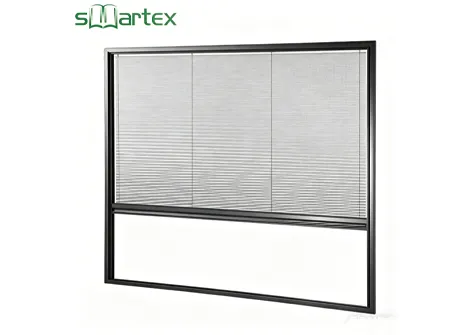
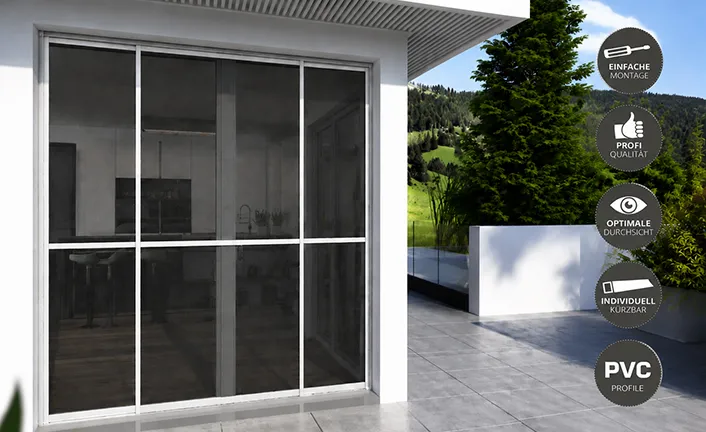
Explora más categorías de productos que abarcan cerramientos para exteriores, soluciones de sombra, mosquiteros para puertas y ventanas, y otras soluciones para distintas necesidades del mercado y de cada proyecto.
Explora más categorías de productos para cerramientos exteriores, protección solar, puertas mosquiteras, mosquiteros para ventanas, pérgolas y soluciones de persianas enrollables con cremallera para distintas necesidades de mercado y de proyectos.
Mosquitera exterior: cómo elegir la malla para condiciones meteorológicas adversas
22
2026.08
Mosquitera exterior: cómo elegir la malla para condiciones meteorológicas adversas
10:10
Mosquitera exterior: cómo elegir la malla para condiciones meteorológicas adversas
Equipo Técnico y de Producto de Smartex Screen | Equipo de Desarrollo de Productos de Mosquiteras y Sombreado Solar | Actualizado el 22 de agosto de 2026
La selección de mosquiteras para exterior comienza por la exposición, no por una etiqueta genérica de malla. Los cerramientos para piscinas, patios, porches y otros proyectos al aire libre deben especificarse por el número de malla, el material, el gramaje del tejido, el tamaño de la abertura, la exposición a los rayos UV y a la intemperie, la visibilidad, el formato del rollo y el sistema de marco que sostendrá la pantalla.
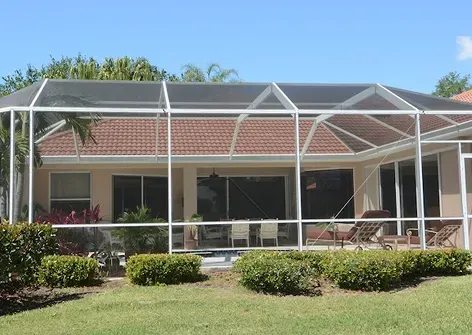
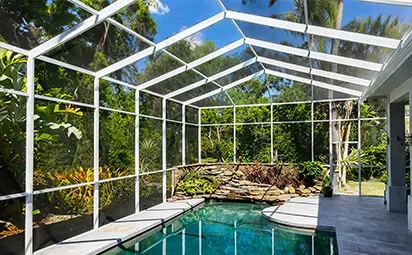
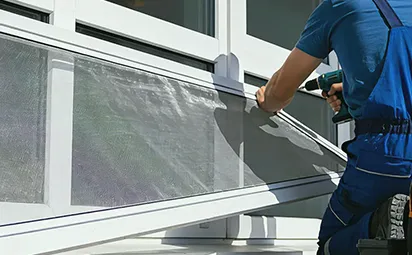
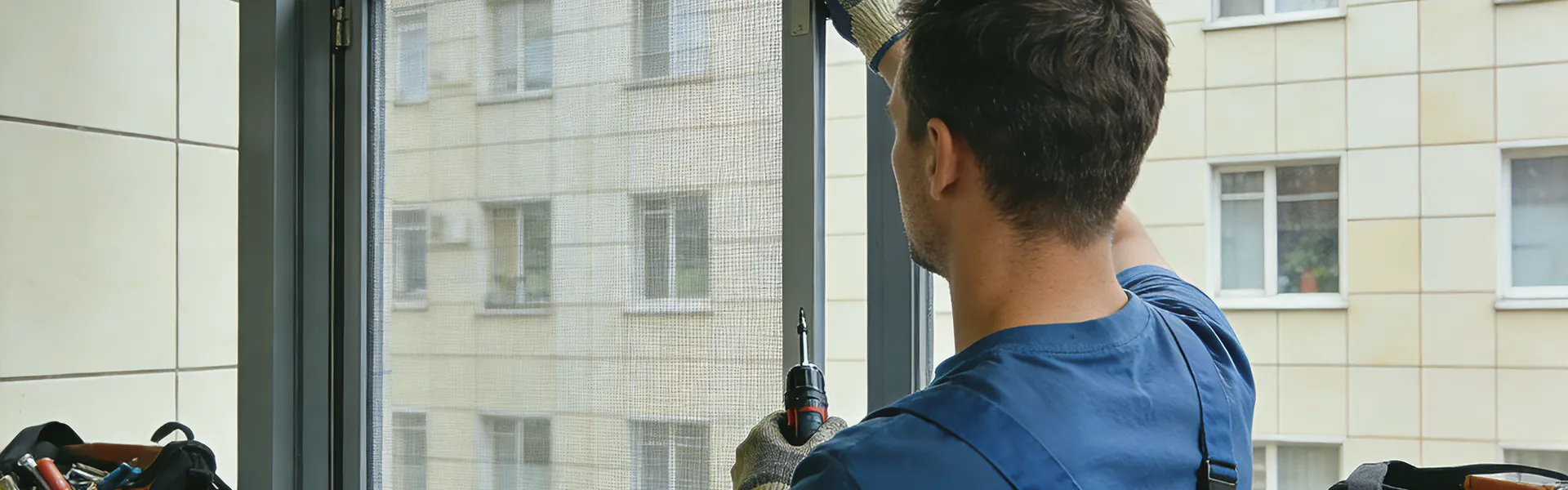
Mosquiteras para piscinas y patios de la Biblioteca de Medios de Smartex Screen.
Smartex suministra malla para piscina para cerramientos de piscina, patios, porches, screening para exteriores, aplicaciones anti-no-see-um, aplicaciones resistentes a mascotas y formatos de control solar. Los ejemplos de producto incluyen construcciones de fibra de vidrio, poliéster y poliéster recubierto de vinilo. La opción correcta depende de la abertura terminada, la exposición local, el método de instalación y la declaración de rendimiento que el comprador necesita hacer.
Matriz de especificaciones de mosquiteros para exteriores
Condición del proyecto
Especificación para comparar
Qué verificar antes de hacer el pedido
Sol intenso y exposición diaria prolongada
Material, recubrimiento, color, gramaje de la tela y alcance de las pruebas de resistencia a la intemperie
Evidencia de resistencia a los rayos UV o a la intemperie específica del modelo, color objetivo y plan de reemplazo
Grandes extensiones de piscina o patio
Número de malla, gramaje de la tela, ancho del rollo, disposición de las costuras y tensión del marco
Prueba con panel a tamaño real, retención de bordes, método de costura y manipulación durante la instalación
Aberturas expuestas al viento
Geometría del sistema terminado, anclaje del marco, tensión de la malla y tamaño de la abertura
Criterios del ingeniero del proyecto o del instalador; la malla por sí sola no es una clasificación de resistencia al viento
Pequeños insectos voladores
Apertura, número de mallas, diámetro del hilo o del alambre y efecto del flujo de aire
Comparación entre la exclusión de insectos y las comprobaciones de visibilidad en el marco previsto
Reposición o reabastecimiento en el comercio minorista
Ancho del rollo, longitud del rollo, embalaje, etiqueta y trazabilidad del SKU
Plano de corte, protección de cartón, datos de códigos de barras, instrucciones y registros de lotes
1. Adapta el número de mallas al tipo de insecto y a los requisitos de flujo de aire
El número de mallas describe las aberturas en las direcciones de la urdimbre y la trama. Una malla más tupida puede ayudar a retener insectos más pequeños, pero también puede afectar al flujo de aire, la visibilidad, el peso, el comportamiento al cortarse y el esfuerzo necesario para su instalación. No consideres que un número de mallas más alto supone una mejora universal. Compara la abertura real y el panel acabado en el hueco donde se vaya a utilizar.
Para proyectos al aire libre, entre los productos más habituales de la gama Smartex se incluyen las estructuras de 17×14, 18×14, 20×17 y 20×20. Un ejemplo de mosquitera 20×20 «no-see-um» tiene un peso aproximado de 215 g/m², mientras que otros modelos de alta visibilidad y de alta resistencia presentan pesos diferentes. Se trata de ejemplos de modelos, no de una especificación universal válida para todas las mosquiteras de exterior.
2. Selecciona el material y el peso para todo el sistema
La fibra de vidrio, el poliéster y el poliéster recubierto de vinilo pueden comportarse de forma diferente durante el corte, el tensado, el plegado, el transporte y la sustitución. El gramaje del tejido influye en su manipulación y puede afectar a la facilidad con la que un panel ancho se mantiene alineado durante la instalación. El perfil del marco, la lengüeta o el elemento de fijación, la unión de las esquinas y el método de costura deben ser compatibles con el tejido seleccionado.
Solicita una muestra etiquetada que se corresponda con un código de producto. Anota el material, el número de mallas, el peso, el color, el ancho, la longitud del rollo, la tolerancia y la aplicación prevista. Smartex Guía de especificaciones de mallas para piscinas ofrece un marco inicial útil para comparar el número de mallas, los pesos, los formatos de rollos y las cuestiones relacionadas con el origen de los productos.
3. Considerar el comportamiento frente al viento como una cuestión sistémica
Una malla de pantalla no garantiza por sí sola una resistencia universal al viento. El comportamiento frente al viento depende de las dimensiones de la abertura, las luces del marco, los anclajes, los postes, las esquinas, la tensión, las costuras, la estructura circundante y los requisitos de diseño locales. Una malla pesada puede fallar en un punto de fijación débil, mientras que una malla más ligera puede ser adecuada para un panel más pequeño y bien sujeto.
Anota la anchura, la altura, la luz, la disposición del marco y la separación entre los soportes de la abertura.
Define las condiciones de exposición locales y los criterios de aceptación del instalador o del ingeniero.
Construye un panel representativo de la producción con la malla, el armazón, las costuras y los elementos de sujeción previstos.
Comprueba la tensión, el ajuste de los bordes, las esquinas, la deflexión y la retirada tras la instalación.
Adjunta el plano aprobado y el informe de ensayo al código del producto.
No conviertas una descripción de la malla en una promesa estructural. La documentación del proyecto debe indicar exactamente qué se ha evaluado y qué sigue siendo responsabilidad del diseño del cerramiento.
4. Equilibrar la exposición a los rayos UV, la lluvia y la limpieza
Los programas de mosquiteras para exteriores deben definir la exposición en lugar de limitarse a utilizar la expresión “resistente a la intemperie” como afirmación genérica. Hay que tener en cuenta la exposición directa al sol, los ciclos de sombra, el aire salino, los productos químicos de la piscina, el polvo, la lluvia, la frecuencia de limpieza y el almacenamiento estacional. La elección del color y del revestimiento puede afectar al aspecto y al mantenimiento, pero los datos que lo respalden deben estar vinculados al modelo seleccionado.
En el caso de pedidos repetidos, conserve una muestra de referencia y defina los cambios aceptables en cuanto a color, tejido, recubrimiento, estado de los bordes y dimensiones. Si se solicita una prueba de resistencia a la intemperie o a los rayos UV, especifique el método de ensayo, el laboratorio o el procedimiento interno, la duración de la exposición, los criterios de evaluación y el alcance exacto del material antes de utilizar el resultado en la documentación del producto.
5. Elige la visibilidad y la privacidad de forma consciente
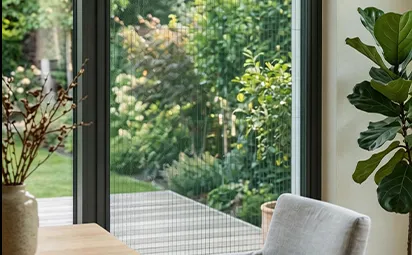
Los compradores de productos para piscinas y terrazas suelen comparar la protección contra los insectos con la visibilidad hacia el exterior y el control del deslumbramiento. El número de mallas, el diámetro del hilo, el color, el gramaje del tejido y la estructura de la pantalla solar influyen en la visión a través del panel acabado. Un tejido negro o gris carbón puede ofrecer un resultado visual diferente al de un tejido claro, incluso cuando el número nominal de mallas sea similar.
Examina las muestras tanto desde el interior como desde el exterior, a la luz del día y al atardecer. Compara la mosquitera para exteriores propuesta con la malla estándar que utiliza actualmente el comprador, del mismo tamaño de marco. Esta pequeña prueba suele revelar diferencias que la etiqueta del rollo no puede mostrar.
6. Ancho del rollo, juntas y mano de obra para la instalación
El ancho del rollo debe ajustarse a la disposición de los paneles, y no solo a la lista estándar del proveedor. Un rollo más ancho puede reducir el número de juntas o los residuos en una estructura de grandes dimensiones, mientras que uno más estrecho puede resultar más fácil de manejar y embalar. La mejor opción depende de las dimensiones de los paneles, la ubicación de las juntas, las restricciones de envío, el equipo de corte y el flujo de trabajo del instalador.
Antes de iniciar la producción en serie, procesa un rollo de muestra utilizando las herramientas y los componentes del marco reales. Comprueba la precisión del corte, el deshilachado de los bordes, la tensión, el aspecto de las costuras, el ajuste de las esquinas y el estado del embalaje tras el transporte. Anota el plano de corte para que los pedidos de reposición posteriores se basen en los mismos supuestos.
7. Elaborar un plan de mantenimiento y sustitución
Las mallas para exteriores acaban necesitando una limpieza, una reparación puntual o su sustitución. Un programa práctico permite identificar el material de reparación compatible, las dimensiones de los rollos de repuesto, las referencias de color, los registros de lotes y las instrucciones. Los compradores minoristas y los de proyectos deben saber si el producto se suministra en rollo, en paneles cortados, en malla acabada y enmarcada o en kit de recambio.
En el caso de los productos de marca propia, asegúrate de que la caja, la ficha del producto en la web, la guía de instalación y el código de referencia (SKU) de recambio estén coherentes entre sí. Indica el uso previsto, las limitaciones, las dimensiones, las piezas incluidas, las instrucciones de cuidado y una vía de contacto clara para futuros pedidos.
Lista de verificación para la compra de mosquiteras para exteriores
Proyecto: tipo de apertura, dimensiones de los paneles, luz, exposición, ubicación y método de instalación.
Malla: material, número de mallas, abertura, peso, color, recubrimiento, anchura, longitud y tolerancias.
Sistema: marco, lengüeta o elemento de fijación, junta, esquina, anclaje, tensión y método de desmontaje.
Calidad: muestra etiquetada, prueba de producción, límites de aspecto, controles dimensionales y muestra de referencia conservada.
Aspectos comerciales: embalaje, código de barras, instrucciones, marca blanca, reposición, cantidad mínima de pedido (MOQ) y alcance del presupuesto.
Preguntas frecuentes
¿Cuál es la mejor malla mosquitera para exteriores?
No existe una malla que sea la mejor para todos los proyectos al aire libre. Elige en función del tamaño de los insectos, la exposición a los rayos UV y a las inclemencias meteorológicas, la luz, la visibilidad, la ventilación, el sistema de marco, el método de instalación y el plan de sustitución.
¿Es la malla de 20×20 siempre la mejor opción para las mallas de exterior?
No. Una malla más tupida puede impedir el paso de insectos más pequeños, pero puede afectar al flujo de aire, la visibilidad, el peso y la manejabilidad. Compara el panel completo en la abertura prevista.
¿La malla de alta resistencia ofrece protección contra el viento?
No. El comportamiento frente al viento depende del sistema completo de cerramiento, que incluye marcos, anclajes, luces, juntas y soportes. Las especificaciones de la malla no deben utilizarse como parámetro estructural.
¿Qué debe pedir un comprador para obtener una muestra de una malla para piscina o terraza?
Solicita una muestra etiquetada en la que figuren el código del producto, el material, el número de mallas, el peso, el color, las dimensiones del rollo, la tolerancia, la aplicación prevista y cualquier método de ensayo de resistencia a la intemperie o de instalación que se solicite.
¿Puede Smartex suministrar rollos de mosquiteras para exteriores a medida?
Smartex ofrece dimensiones de rollos específicas para cada modelo, diferentes tipos de malla, colores, embalaje, muestras, desarrollo de marcas blancas y coordinación de exportaciones. Envíanos el diseño inicial, la aplicación, el tipo de malla que prefieras, la cantidad, el embalaje y el destino para que te enviemos un presupuesto.
Smartex Screen ayuda a contratistas, distribuidores, minoristas y marcas blancas a comparar materiales para mosquiteras de exterior y sistemas terminados. Indica la envergadura de tu proyecto, la exposición, el tipo de malla deseado, el plan de rollos y los requisitos de embalaje a través de la Página de consultas sobre Smartex Screen.
Sobre el autor: El equipo técnico y de productos de Smartex Screen ofrece apoyo en la selección de tejidos para mosquiteras, el desarrollo de sistemas de mosquiteras terminados, la personalización de materiales, la elaboración de muestras y prototipos, el embalaje, la producción de marca blanca, el control de calidad y la coordinación de exportaciones para clientes B2B de todo el mundo.
Le responderemos en un plazo de 24 horas. Si es un caso urgente, por favor añada WhatsApp/WeChat: +86 186 6025 8307,. O llame directamente al +86 – 532 – 8562 3071.
*Respetamos su confidencialidad y toda la información está protegida.
Solo utilizaremos su información para responder a su consulta y nunca le enviaremos correos electrónicos no solicitados ni mensajes promocionales.














 10:10
10:10