Explore more product categories covering outdoor enclosure, shading, door and window screening, and other solutions for different market and project needs.
Explore more product categories for outdoor enclosure, shading, screen doors, window screens, pergolas, and zip blind solutions for different market and project needs.
Moustiquaires de fenêtre réglables : 9 points essentiels à vérifier concernant les dimensions d'origine
14
2026.08
Moustiquaires de fenêtre réglables : 9 points essentiels à vérifier concernant les dimensions d'origine
10:07
Moustiquaires de fenêtre réglables : 9 points essentiels à vérifier concernant les dimensions d'origine
Smartex Screen Technical and Product Team | Équipe de développement des produits de moustiquaires et de protection solaire | Mise à jour le 14 août 2026
Les moustiquaires de fenêtre réglables sont des panneaux de moustiquaire encadrés, conçus pour couvrir plusieurs ouvertures, qu’elles soient en largeur ou en hauteur, grâce à un système coulissant, télescopique ou réglable d’une autre manière. Le cahier des charges OEM doit définir la plage de réglage, le chevauchement, les matériaux du cadre et du treillis, le système de fixation, l’emballage, les étiquettes et le test d’ajustement pour chaque référence commercialisée.
Table des matières
Sommaire
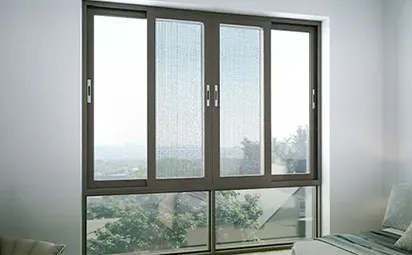
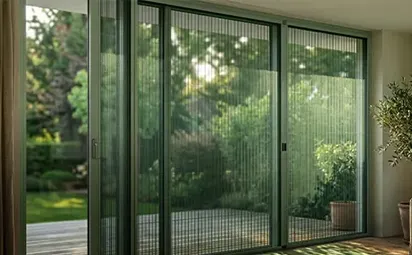
Image illustrant l'application d'une moustiquaire sur une fenêtre, issue de la bibliothèque de ressources Smartex Screen.
Smartex fournit des produits finis systèmes de moustiquaires pour fenêtres avec des matériaux de cadre spécifiques à chaque modèle, des dimensions standard ou sur mesure, un choix de mailles compatibles, différents formats d'installation et des emballages sous marque de distributeur. Pour les moustiquaires de fenêtre réglables, chaque devis doit associer ces options à un code produit bien défini. Il ne faut pas supposer que les dimensions universelles, les profils de cadre, les capacités de charge et les conditions de garantie sont identiques d'un modèle à l'autre.
Tableau des caractéristiques techniques des moustiquaires de fenêtre réglables
Specification
Décision de l'acheteur
Comment le vérifier ?
Sens de réglage
Configuration horizontale, verticale ou spécifique au modèle
Plan approuvé et échantillon de fabrication
Plage de réglage
Dimensions minimales et maximales une fois installé pour chaque référence
Contrôle de la jauge aux deux limites
Chevauchement ou interaction
Engagement minimal au niveau de la plus grande ouverture autorisée
Mesurez l'écran monté à son extension maximale
Matériau du cadre
Composants en aluminium, en plastique ou en matériau composite, conformément aux spécifications
Fiche technique du fournisseur et échantillon homologué
Maille
Fibre de verre, polyester, résistant aux animaux de compagnie, haute visibilité ou tissu spécifique à un modèle
Échantillon de treillis marqué et essai sur panneau fini
Fidélisation
Comment la moustiquaire reste-t-elle en place dans la rainure ou l'ouverture prévue à cet effet ?
Essai d'installation dans des vitrines représentatives
Tolérance sur les dimensions finales
Tolérance admise pour le châssis et l'ensemble réglable
Points de mesure convenus et plan d'inspection
Packaging
Emballage prêt à la vente, pour le commerce en ligne, en vrac, en kit de bricolage ou sous marque de distributeur
Contrôle des chutes, de la manutention, de l'étiquetage et de l'adaptation au rayonnage
Instructions
Mesure, réglage, installation, démontage, nettoyage et consignes de sécurité
Installation à titre d'essai par un utilisateur non familiarisé avec le logiciel
Ce tableau constitue un cadre de référence pour les bons de commande et non une fiche technique universelle du produit. Les valeurs exactes dépendent du modèle de moustiquaire réglable sélectionné, du type d'ouverture, du marché de destination, du format d'emballage et de l'échantillon validé.
1. Définir le sens de réglage avant de sélectionner la plage
“Le terme ” réglable » ne précise pas à l'usine comment le produit se déplace. Un écran peut s'étendre sur toute la largeur, être réglable en hauteur ou utiliser une configuration de cadre spécifique au modèle. L'emballage de vente au détail, le schéma du produit, la notice d'utilisation et la fiche produit en ligne doivent tous indiquer la même orientation.
Demandez à voir des vues de face, de profil, en taille minimale et en taille maximale, ainsi que l'emplacement de chaque articulation mobile. Un acheteur qui se contente au départ d'une fourchette de dimensions trop large risque de ne pas tenir compte de la profondeur du rail, du dégagement de la poignée, de l'interférence entre les vantaux ou de la zone où les deux sections du châssis se chevauchent.
2. Créer des gammes de références à partir de données réelles d'ouverture
Prenez les mesures des différents types de fenêtres sur le marché cible avant de décider du nombre de références à commercialiser. Notez la largeur et la hauteur de l'ouverture libre, la profondeur du rail ou du rebord, les obstacles éventuels, ainsi que la surface sur laquelle la moustiquaire sera fixée. Ne confondez pas les mesures de l'ouverture avec les dimensions nominales de la fenêtre indiquées sur les plans de construction ou les étiquettes vendues en magasin.
Choisissez des valeurs minimales, moyennes et maximales représentatives au sein de l'assortiment cible.
Mesurez chaque ouverture en plusieurs points afin de détecter d'éventuels défauts d'équerrage.
Ne regrouper les ouvertures que lorsqu'un seul écran permet de les contenir sans réduire l'engagement de cadre requis.
Prévoir une marge pour tenir compte des tolérances de fabrication, des erreurs de mesure de l'utilisateur et des jeux d'installation.
Testez chaque référence proposée aux deux extrémités de la plage indiquée sur l'étiquette.
Une gamme de moustiquaires réglables peut sembler efficace sur un tableur, mais s'avérer mal adaptée aux ouvertures les plus grandes. Un nombre élevé de références augmente les stocks et l'espace de rayonnage, tandis qu'un nombre trop faible peut entraîner une hausse des retours si la gamme est trop large. L'objectif commercial est de proposer un assortiment gérable dont l'adéquation est vérifiée, et non de revendiquer la plus grande plage de réglage possible.
3. Définir le chevauchement minimal à l'extension maximale
Pour de nombreuses moustiquaires de fenêtre réglables, le point le plus risqué correspond à la position d'extension maximale. C'est à ce moment-là que les parties mobiles se chevauchent ou s'emboîtent le moins. Si l'articulation se desserre, le panneau peut se déformer, vibrer, se courber ou se désassembler lors de sa manipulation.
Indiquez une cote minimale d'engagement sur le plan et mesurez-la lors du contrôle. Testez la moustiquaire dans l'orientation prévue, car la gravité et la géométrie de la fenêtre peuvent modifier le comportement du joint. Les critères d'acceptation doivent porter sur la perpendicularité, la tenue du joint, les espaces visibles, la fluidité du réglage et le maintien de la moustiquaire en place lors de l'ouverture et de la fermeture normales de la fenêtre.
4. Adapter le matériau de la monture à l'usage prévu en magasin
Les systèmes de moustiquaires prêtes à poser Smartex peuvent intégrer des composants en aluminium, en plastique ou en matériau composite spécifiques à chaque modèle. Le choix des matériaux influe sur la rigidité, le poids, la finition de surface, les méthodes de découpe ou d'assemblage, la protection lors de l'emballage et la valeur perçue. Il ne détermine toutefois pas à lui seul les performances ; la géométrie des profilés et la conception des assemblages jouent également un rôle important.
Les moustiquaires de fenêtre réglables à cadre en aluminium peuvent présenter un aspect rigide, mais elles doivent être protégées contre les rayures et les dommages au niveau des bords. Les composants en plastique peuvent simplifier certaines formes et certains assemblages ; toutefois, la couleur, la fragilité, l'exposition à la chaleur et les détails de fixation doivent être évalués pour la formulation choisie. Les assemblages composés de plusieurs matériaux nécessitent également un échantillon complet, car c'est le point de jonction le plus faible qui peut déterminer l'expérience du consommateur.
5. Sélectionner le maillage en tant que partie intégrante de l'ensemble complet
Parmi les options compatibles, on peut citer la fibre de verre, le polyester, les tissus résistants aux animaux de compagnie, les tissus haute visibilité ou tout autre tissu spécifique à un modèle. Comparez la circulation de l'air, la visibilité, la rigidité, la reprise après manipulation, le traitement des bords et la méthode utilisée pour maintenir la maille dans le cadre. Un tissu qui offre de bonnes performances sur un panneau fixe peut se comporter différemment sur un ensemble réglable soumis à des manipulations répétées.
Pour des critères de sélection des mailles plus généraux, consultez le guide Smartex afin de Choisir des moustiquaires pour les fenêtres et les portes. Pour le test final, il faut encore installer le maillage sélectionné dans le châssis de production aux deux extrémités de la plage de réglage.
6. Vérifier l'ajustement dans des fenêtres représentatives
Les mesures en laboratoire ne permettent pas de reproduire toutes les conditions d'installation des moustiquaires réglables. Préparez un ensemble de tests d'ajustement comprenant le type d'ouverture prévu, des rails peu profonds et profonds, les obstacles courants au niveau du cadre, ainsi que des exemples proches des dimensions minimales et maximales indiquées. Notez quelles surfaces soutiennent et maintiennent la moustiquaire.
Lors de l'installation, vérifiez si l'utilisateur peut mettre le panneau en place sans avoir à exercer une force excessive, si le joint réglable reste bien aligné et si les bords ne laissent pas apparaître d'espaces indésirables. Comparez ce processus à celui d'un système classique fixe ou moustiquaire pour fenêtre coulissante afin que l'acheteur comprenne le compromis : les produits ajustables permettent de réduire le nombre de tailles en stock, tandis que les cadres fixes ou sur mesure offrent un ajustement plus précis à une ouverture donnée.
Limite de sécurité : Une moustiquaire ne doit pas être présentée comme un dispositif de prévention des chutes, à moins que ce produit précis n'ait été conçu, testé et certifié à cette fin. La Commission américaine de sécurité des produits de consommation (CPSC) inclut des recommandations relatives à la prévention des chutes par les fenêtres dans son Ressources sur la sécurité des fenêtres à domicile. Les consignes destinées aux détaillants doivent faire la distinction entre les allégations relatives à la protection contre les insectes et celles concernant la sécurité des enfants.
7. Rédiger des critères d'inspection mesurables
Préciser comment les moustiquaires de fenêtre réglables seront échantillonnées et mesurées. La fiche d'inspection doit indiquer la révision du plan, la référence produit, le sens de réglage, les dimensions minimales et maximales, les points de mesure, la tolérance autorisée, le chevauchement en extension maximale, la finition du cadre, l'état du treillis, le nombre d'accessoires et le contenu de l'emballage.
Faites fonctionner le mécanisme de réglage sur toute sa plage de réglage et vérifiez qu'il ne présente pas de grippage.
Mesurez l'ensemble à son extension minimale, à mi-course et à son extension maximale.
Inspectez les joints du cadre, les bords du treillis, les angles, les poignées, les butées et les éléments de fixation.
Installez des échantillons dans des ouvertures représentatives et consignez les écarts ou les interférences constatés.
Vérifiez que l'étiquette du carton, la notice, le code-barres et les données en ligne correspondent bien à la référence physique.
Conserver un échantillon homologué et un procès-verbal d'inspection pour les commandes ultérieures.
8. Concevoir l'emballage en vue de sa mise en rayon et de sa manutention comme colis
Les emballages destinés à la vente au détail des moustiquaires de fenêtre réglables doivent protéger les longs bords du cadre, les angles exposés, la toile et les articulations mobiles. Un emballage de rayon doit également comporter une indication lisible de la gamme de tailles disponibles, un schéma d'orientation, la liste des pièces incluses, l'identification de la couleur ou de la finition, ainsi qu'un moyen permettant au consommateur de comparer les dimensions de l'ouverture avec la gamme de produits. Les emballages destinés au commerce en ligne peuvent nécessiter une protection supplémentaire au niveau des angles et contre l'écrasement.
Ne mentionnez pas une seule dimension nominale lorsque le produit présente une plage de dimensions utilisables. Indiquez les dimensions minimale et maximale de l'ouverture dans le sens correct et selon le système d'unités approprié. En ce qui concerne les codes-barres et l'identification des produits, l'acheteur peut adapter son projet d'étiquetage aux normes applicables. Normes GS1 relatives aux codes-barres. La propriété des codes-barres et les données relatives à la vente au détail restent à la charge de l'acheteur, sauf accord contraire.
9. Tester la notice d'utilisation avec un utilisateur qui ne connaît pas le produit
Les instructions relatives aux moustiquaires de fenêtre réglables doivent préciser où effectuer les mesures, quelle dimension est réglable, quel jeu doit être conservé, comment positionner la moustiquaire, comment fixer les butées ou les pièces de fixation, ainsi que la manière de la démonter et de la nettoyer. Utilisez des schémas correspondant au modèle fourni plutôt que des illustrations génériques de fenêtres.
Remettez un échantillon emballé à une personne qui n'a pas suivi le processus de développement. Notez les erreurs de mesure, les orientations inversées, les composants manquants, les schémas peu clairs et le temps passé à trouver la bonne étape. Revoyez l'emballage et la notice avant de valider la production imprimée. Ce test permet souvent d'identifier les risques de retour qui ne sont pas visibles lors de l'assemblage en usine.
Formats d'écran réglables, fixes et sur mesure
Format
Avantage pour le commerce de détail
Principale limite
Programme d'adaptation optimale
Écran réglable
Une référence peut couvrir une gamme définie
La coordination des engagements et le marquage des zones d'engagement nécessitent un contrôle rigoureux
Gammes de produits de bricolage et de rechange
Écran standard à taille fixe
Conception simple et identification claire des dimensions
Il faudra peut-être davantage de références pour couvrir l'ensemble du marché
Marchés dont les heures d'ouverture sont harmonisées
Écran sur mesure
Conçu pour une ouverture spécifique mesurée
Allongement du processus de commande et responsabilité individuelle en matière de mesures
Fabricants, installateurs et commandes liées à des projets
Déroulement de la procédure d'approbation des programmes de vente au détail
Indiquez les types de fenêtres cibles, les marchés, les canaux, les volumes prévus et les mesures d'ouverture.
Sélectionnez le mécanisme de réglage, le matériau de la monture, le maillage, la couleur et le type de fixation.
Valider les plans en précisant les dimensions minimales, les dimensions maximales, le chevauchement, les tolérances et les points de mesure.
Tester les échantillons d'essai dans des ouvertures représentatives aux deux limites.
Approuver les critères d'inspection, les emballages, les étiquettes, les codes-barres, les notices d'utilisation et la protection des cartons.
Réalisez un test de commande contrôlé et analysez les commentaires sur l'ajustement avant d'élargir la gamme.
Smartex Screen assure le développement de systèmes d'affichage, la sélection des matériaux, la réalisation de prototypes, la conception de profilés sur mesure, le conditionnement, la rédaction de manuels, la gestion des marques de distributeur, le contrôle qualité et la coordination des exportations. Envoyez-nous vos données d'ouverture et vos exigences concernant les canaux de distribution via le Page de demande de renseignements sur Smartex Screen pour demander une offre adaptée à un modèle spécifique.
FAQ
Quelles sont les mesures à prendre pour les moustiquaires de fenêtre réglables ?
Mesurez la largeur et la hauteur de l'ouverture libre en plusieurs points, ainsi que la profondeur du rail ou du rebord et la présence éventuelle de poignées, de serrures ou d'obstacles au niveau du cadre. Déterminez dans quelle direction la moustiquaire doit coulisser et quelles surfaces la maintiendront en place.
Un seul store réglable peut-il convenir à toutes les fenêtres ?
Non. Chaque produit présente un sens de réglage, une plage de dimensions, une géométrie de cadre et un mode de fixation bien définis. L'adéquation doit être vérifiée en fonction du type de fenêtre prévu et de l'amplitude d'ouverture.
Quelle maille convient le mieux pour un pare-mouches réglable destiné à la vente au détail ?
Le choix dépend de la visibilité, de la circulation de l'air, de la maniabilité, de l'exposition aux animaux de compagnie, de la tenue du cadre, du prix cible et des arguments de vente. Les tissus en fibre de verre, en polyester, résistants aux animaux de compagnie et à haute visibilité doivent être testés dans leur ensemble, une fois montés et réglés.
Comment la gamme de tailles doit-elle figurer sur l'emballage ?
Indiquez les dimensions d'ouverture minimales et maximales, le sens de réglage, les points de mesure, les unités de mesure et joignez un schéma clair. Le carton, la notice d'utilisation, la fiche de code-barres et la fiche produit en ligne doivent utiliser les mêmes données SKU.
Les moustiquaires réglables sont-elles des produits de sécurité pour enfants ?
Ce n'est pas le cas par défaut. Les allégations relatives aux moustiquaires doivent être distinguées de celles relatives à la prévention des chutes, à moins que le produit en question ne dispose de la conception, des essais, de la documentation et de l'autorisation de mise sur le marché requis pour cet usage.
About the author: L'équipe technique et produit de Smartex Screen accompagne ses clients B2B internationaux dans le choix des toiles de projection, le développement de systèmes de projection finis, la personnalisation des matériaux, la réalisation d'échantillons et de prototypes, le conditionnement, la production en marque de distributeur, le contrôle qualité et la coordination des exportations.




















 10:07
10:07