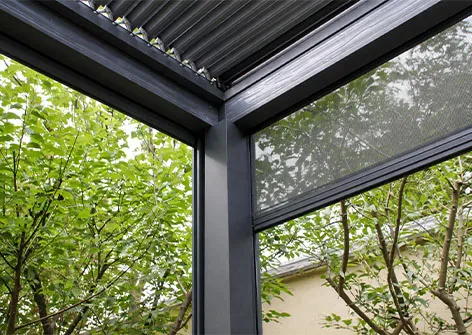
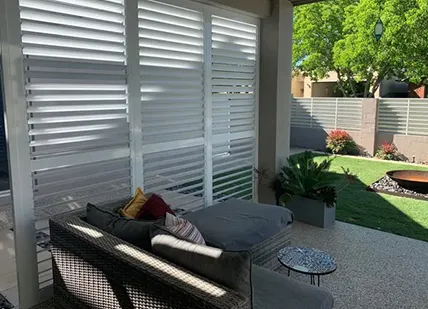
Une belle enceinte de piscine devient vite inconfortable quand des toiles déchirées laissent entrer moustiques, moucherons, feuilles et débris. Une toile mal choisie peut aussi réduire la circulation de l’air ou s’user trop tôt. La solution : adapter la toile au climat, à la taille des ouvertures, aux insectes, aux animaux et au mode de pose.
Une bonne toile pour piscine enclosure uses a mesh that balances insect protection, airflow, visibility, durability, and outdoor exposure. General pool cages often use 17×14 or 18×14 fiberglass screen, while tighter 20×20 mesh targets no-see-ums. Polyester and pet-resistant materials suit tougher applications. Always match the screen type to the frame, climate, wind exposure, and local building requirements.
What Is a Screen Enclosure and Why Do Homeowners Use One?
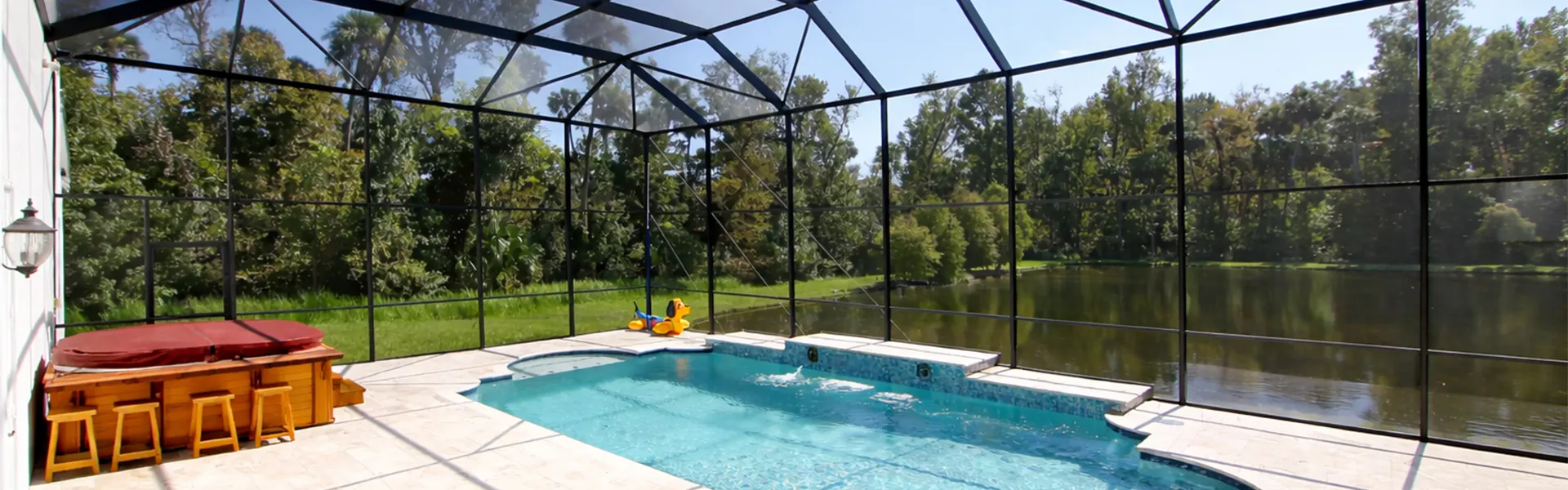
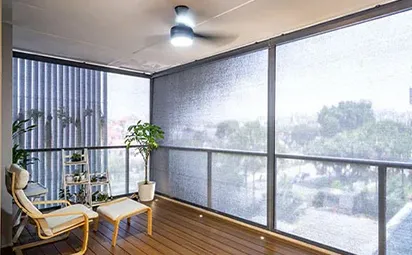
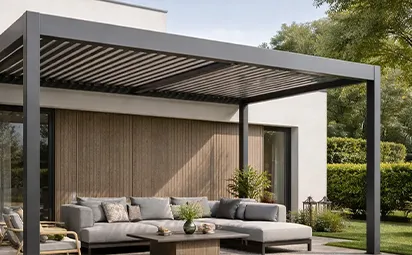
A enceinte grillagée is a framed outdoor structure covered with insect-screen material. It is commonly installed around a swimming pool, patio, porch, lanai, or other outdoor space where people want fresh air without leaving the area completely open to insects and windblown debris.
For a homeowner, the main benefit is simple: the enclosure makes the outdoor area more comfortable and practical. A properly selected screen can reduce the entry of mosquitoes, flies, leaves, grass clippings, and other unwanted material while still allowing airflow and light through the structure.
Common applications include:
- Enceintes de piscine
- Patios avec moustiquaire
- Lanais
- Vérandas
- Cuisines extérieures
- Gazebos
- Pièces avec moustiquaire
- Espaces trois saisons
- Espaces commerciaux de restauration en plein air
The enclosure itself and the mesh have different jobs. Aluminum frames provide the structure, while the screen provides insect control, visibility, ventilation, and a degree of debris reduction.
This distinction matters when buyers evaluate a product. A strong mesh cannot compensate for an incorrectly designed structure, weak frame, poor fastener selection, or improper installation.
For Smartex, pool and patio screening is part of a broader outdoor insect-screen portfolio that includes fiberglass, polyester, vinyl-coated polyester, pet-resistant, no-see-um, and solar-control products. Current public product examples cover pool enclosures, patios, porches, and related outdoor screening applications.
Pool Screen Enclosure vs. Patio Screen Enclosure: What Is the Difference?
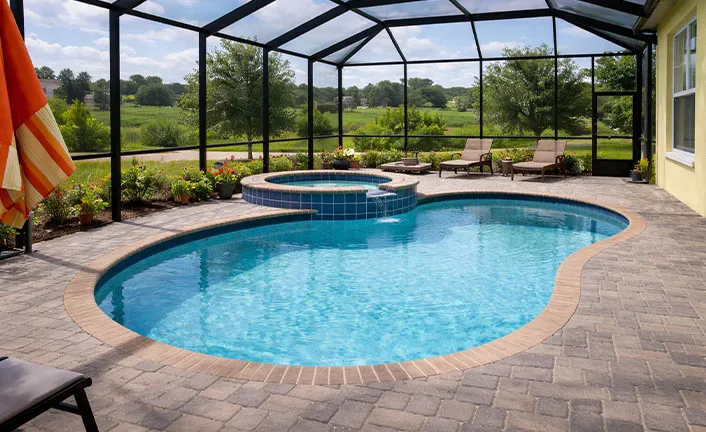
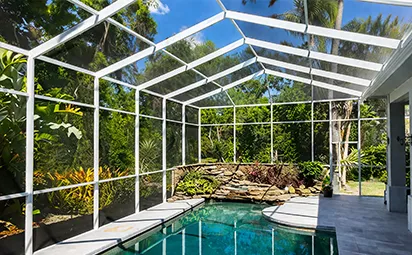
A enceinte grillagée de piscine normally surrounds all or part of a swimming pool and its deck. A patio enclosure covers a patio, porch, or outdoor seating area. They may use similar screen materials, but their panel sizes, frame designs, exposure, and customer priorities can differ.
A full pool cage often contains large vertical and roof panels. Because these panels can experience sun, rain, wind, maintenance work, and repeated re-screening, buyers usually pay close attention to mesh stability and handling characteristics.
A patio screen may cover smaller wall sections, a screened door, or one side of an outdoor living area. Visibility and ventilation can be especially important when the patio connects directly to a living room or kitchen.
A screened pool enclosure may prioritize:
- Insect control
- Large-panel stability
- Debris reduction
- Outdoor exposure
- Visibility across the pool area
A screened patio may place greater emphasis on:
- Vue
- Natural light
- Intimité
- Aspect
- Comfortable ventilation
This is why one screen type should not automatically be specified for every project.
A new pool project may use general-purpose fiberglass around most of the structure, then use a stronger polyester product in door zones or lower panels. Likewise, a patio can combine standard mesh with solar-control or privacy material on the most exposed side.
The goal should be to protect your pool and patio without unnecessarily reducing the open feel that makes outdoor living attractive.
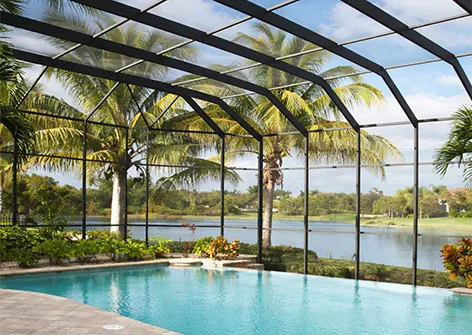
Which Screen Materials Work Best for Pool Cages?
The three most useful material families for pool and patio applications are fiberglass, polyester, and vinyl-coated polyester.
Toile en fibre de verre
A standard fiberglass screen is widely used for general pool cages and patio enclosures because it provides a practical balance of visibility, ventilation, handling, and cost.
Smartex currently publishes an 18×14 fiberglass Pool & Patio Screen example with:
| Caractéristiques |
Published Example |
| Matériau |
Fibre de verre |
| Maillage |
18×14 |
| Poids |
160 g/m² |
| Diamètre du fil |
0.33 mm |
| Coloris |
Black / Charcoal |
| Roll Widths |
36–108 in |
| Longueur du rouleau |
100 ft or customized |
| Application |
Patio door / swimming pool |
These figures apply to that specific published product and should not be transferred automatically to every pool-screen model.
Toile en polyester
A polyester screen is useful where the panels receive more physical contact. Smartex’s current pool-screen sourcing guide notes that polyester is used in a 20×17 heavy-duty product intended for higher-contact areas.
Polyester can therefore be considered for:
- Door zones
- Lower enclosure panels
- High-traffic areas
- Areas exposed to equipment or furniture contact
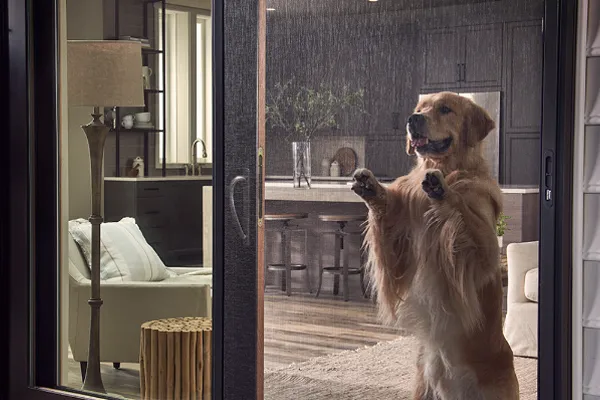
Toile anti-griffes
A toile anti-griffes generally uses heavier vinyl-coated polyester construction. It is intended for areas where dogs or cats may push, scratch, or lean against the screening.
It should not be described as indestructible. Its value is improved resistance to pet contact compared with normal lightweight screening.
The best approach is often to combine materials rather than overspecify the whole cage. Standard fiberglass may suit upper panels, while pet-resistant mesh can be installed closer to ground level.
Écran de piscine 18×14 contre 20×20 : quelle maille choisir ?
Le nombre de mailles est l’un des premiers chiffres que les acheteurs voient dans les spécifications d’un écran de piscine. Il indique combien de fils sont présents dans chaque direction par pouce.
En termes simples :
Un nombre de mailles plus élevé crée des ouvertures plus petites.
Pour les applications générales de cages de piscine, les mailles 17×14 et 18×14 sont des choix courants. Une maille 20×20 présente des ouvertures plus petites et est généralement associée à une protection contre les no-see-ums et autres insectes volants très petits. Le guide d’approvisionnement actuel de Smartex établit la même distinction.
| Type de toile |
Résistance typique |
Aération |
Visibilité |
Utilisation principale |
| 17×14 / 18×14 |
Moustiquaire générale pour piscine |
Plus élevée |
Plus élevée |
Structures de piscine, patios, vérandas |
| 20×20 |
Moustiquaire contre les petits insectes |
Plus faible |
Modérée |
No-see-ums, gnats, coastal areas |
| Polyester haute résistance |
Higher impact resistance |
Dépendant du modèle |
Dépendant du modèle |
High-traffic panels |
| Toile anti-griffes |
Improved claw resistance |
Modérée |
Modérée |
Pet-access areas |
| Toile solaire |
Solar control |
Plus faible |
Depends on openness |
Sun-facing enclosure walls |
A tighter count is not automatically better.
It can reduce the size of openings, but it may also change airflow, transparency, fabric weight, and wind interaction. Yarn diameter matters too. Two 20×20 products can have different clear openings if one uses thicker yarn.
That is why professional buyers should compare:
- Nombre de mailles
- Diamètre du fil
- Poids du tissu
- Matériau
- Open area
- Intended use
Market brands such as Phifer also separate 18×14 Pool & Patio Screen, 20×20 No-See-Um Screening, PetScreen and heavy-duty TuffScreen into different product families, which reflects the same buying logic. Phifer is a separate brand and should not be used as a generic product name for Smartex mesh.
What Should B2B Buyers Check Before Sourcing Pool Screen Mesh?
For distributors and contractors, the biggest sourcing mistake is asking only:
“How much is pool screen per roll?”
The quotation is not meaningful until the specification is controlled.
A complete RFQ should state:
| Buying Item |
What to Specify |
| Matériau |
Fiberglass / Polyester / Vinyl-Coated Polyester |
| Maillage |
17×14 / 18×14 / 20×17 / 20×20 / Other |
| Poids |
g/m² |
| Diamètre du fil |
mm or inch |
| Coloris |
Black / Charcoal / Custom |
| Laize |
Required width |
| Longueur du rouleau |
Required length |
| Application |
Pool cage / Patio / Lanai / Pet zone |
| Insect Requirement |
Standard insects / No-see-ums |
| Conditionnement |
Bulk / Label / Private label |
| Quantité |
Rolls or total m² |
| Marché |
U.S. / Europe / Australia / Other |
Smartex current published Pool & Patio Screen example includes fiberglass 18×14 at 160 g/m² and polyester examples at 220 and 250 g/m², while its wider pool-screen guide covers additional counts and heavier constructions.
For wholesale buyers, roll format matters because it affects freight, warehouse handling, cutting efficiency, and the amount of waste during rescreening.
OEM/ODM programs can also address:
- Dimensions des rouleaux
- Mesh specifications
- Poids
- Coloris
- Marque de distributeur
- Carton design
- Positionnement produit
As a China-based manufacturer and exporter, we supply insect-screen products for building-material distributors, screen fabricators, home-improvement wholesalers, outdoor-living suppliers, contractors, and private-label brands.
Notre rôle ne consiste pas simplement à proposer une seule “ moustiquaire de piscine ”. Nous aidons les acheteurs à adapter le matériau au marché.
FAQ
What is the best screen for a pool enclosure?
Il n’existe pas un seul type de moustiquaire idéal pour tous les abris de piscine. Les applications générales utilisent souvent de la fibre de verre 17×14 ou 18×14, car elle offre un bon équilibre entre visibilité et circulation de l’air. Une maille fine 20×20 peut être préférable dans les zones où les moucherons piqueurs posent un problème majeur, tandis que le polyester ou les produits résistants aux animaux conviennent mieux aux zones davantage exposées aux chocs.
La fibre de verre ou le polyester sont-ils plus adaptés à une structure grillagée de piscine ?
La fibre de verre est un choix pratique et polyvalent pour de nombreux panneaux d’abri. Le polyester peut offrir une meilleure résistance aux contacts physiques répétés dans les zones exigeantes. Le bon choix dépend de l’emplacement du panneau, de la fréquentation, de la présence d’animaux, de l’exposition, des exigences en matière de visibilité et du budget.
Quelle maille dois-je choisir contre les moucherons piqueurs ?
A fine 20×20 product is commonly used for no-see-um applications, but mesh count alone is not enough. Yarn diameter affects the actual opening size. Confirm both values before marketing a product for tiny-insect exclusion.
How often should a pool enclosure be rescreened?
There is no universal replacement interval. Service life depends on material, sunlight, wind, installation tension, pets, maintenance, chemicals, and local climate. Replace panels when the mesh becomes brittle, develops multiple tears, sags significantly, or can no longer remain secured in the frame.
Can pool screen reduce heat?
Some screen fabrics can help reduce heat or solar exposure, particularly products designed specifically for solar control. Standard insect mesh should not automatically be marketed as a solar screen. If heat reduction is a priority, compare the solar-screen specification separately.
Does pool screen stop mold and mildew?
A screen enclosure can reduce some debris and improve controlled outdoor use, but it should not be promoted as preventing mold and mildew. Moisture, shade, ventilation, cleaning, and local climate all influence biological growth.
Are pool screen enclosures safe in windy conditions?
Performance in windy conditions depends on the complete structure, engineering, mesh, fasteners, panel dimensions, and installation. Do not judge wind performance from the fabric alone. In regulated markets such as Florida, confirm structural and local code requirements for the actual project.

















 15:18